
The difference between water mitigation and full reconstruction for your Columbus home
Water damage in your Columbus home creates two distinct phases of recovery. Water mitigation stops the immediate damage through emergency extraction and drying. Full reconstruction rebuilds your home’s structure after mitigation completes. Understanding this difference helps you navigate insurance claims and restoration timelines. Professional water damage restoration for Short North shops and galleries.
What is Water Mitigation? (The Emergency Phase)
Water mitigation represents the critical first 24-48 hours after water damage occurs. This emergency response prevents secondary damage like mold growth and structural rot. Professional mitigation teams arrive within hours to assess the situation and begin immediate action. Rapid Response Flood Extraction.
The mitigation process follows a specific sequence. First, technicians locate the water source and stop active leaks. Next, they extract standing water using truck-mounted vacuum systems capable of removing thousands of gallons per hour. Then, they deploy industrial air movers and LGR dehumidifiers to begin structural drying.. Read more about Identifying structural wood rot caused by long term slow leaks in Victorian Village homes.
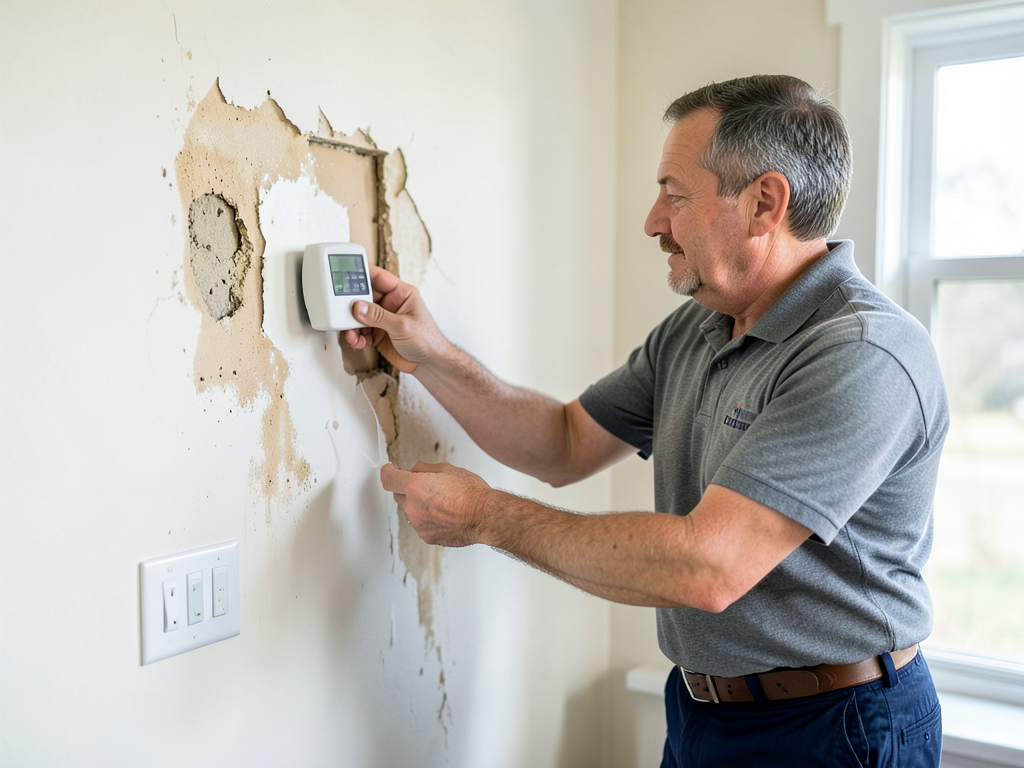
During mitigation, technicians use moisture meters to map water migration through walls, floors, and ceilings. They identify hidden pockets of moisture behind drywall or under flooring that could cause problems later. This diagnostic mapping determines which materials can be dried in place versus which require removal.
Common mitigation steps include:
- Emergency water extraction using submersible pumps and truck-mounted vacuums
- High-velocity air movement to accelerate evaporation from wet surfaces
- Low-grain refrigerant dehumidification to remove moisture from the air
- Antimicrobial treatment to prevent mold growth in affected areas
- Content manipulation to protect furniture and belongings
- Structural stabilization to prevent collapse of weakened materials
Mitigation typically lasts 3-5 days depending on the category of water damage. Clean water from broken pipes requires less aggressive treatment than contaminated water from sewage backups or flooding.
What is Water Restoration? (The Rebuilding Phase)
Water restoration begins after mitigation completes and materials reach acceptable moisture levels. This phase involves repairing or replacing damaged structural components. Restoration contractors rebuild what the water destroyed. EPA mold information.
Restoration work varies dramatically based on damage severity. Minor incidents might require only drywall patching and paint. Major floods could necessitate complete room reconstruction including framing, electrical, and plumbing work.
Common restoration steps include:
- Removing and replacing water-damaged drywall and insulation
- Repairing or replacing flooring including hardwood, carpet, and tile
- Restoring cabinetry and built-in features
- Repairing structural framing damaged by prolonged moisture exposure
- Replacing electrical outlets and switches affected by water
- Repainting and refinishing surfaces to match existing finishes
Restoration timelines extend much longer than mitigation. While mitigation finishes in days, restoration projects often take weeks or months depending on material availability and contractor schedules.
Mitigation vs. Restoration: A Side-by-Side Comparison
| Aspect | Water Mitigation | Water Restoration |
|---|---|---|
| Primary Goal | Prevent further damage | Repair existing damage |
| Timeline | 24-48 hours emergency response | Weeks to months for completion |
| Equipment | Extractors, air movers, dehumidifiers | Saws, drills, drywall tools, paint equipment |
| Cost Structure | Emergency service rates apply | Standard construction pricing |
| Insurance Category | Emergency expense | Reconstruction expense |
| Duration | Typically 3-5 days | Varies by project scope |
Why the Order Matters: Mitigation Always Comes First
Attempting restoration before proper mitigation creates serious problems. Drying materials before removing standing water traps moisture inside walls and floors. This creates ideal conditions for mold growth within 24-48 hours.
Professional restoration follows a strict sequence. First, mitigation teams control the damage source and begin drying. Only after materials reach acceptable moisture content does restoration work begin. This prevents trapping moisture inside rebuilt structures.
Columbus homes face specific challenges during this process. Our clay soil expands when wet, putting pressure on foundation walls. If restoration crews rebuild before the foundation dries completely, structural problems can develop months later.
Navigating Insurance Claims in Columbus for Water Damage
Insurance companies distinguish between mitigation and restoration in claim documentation. Mitigation represents emergency response to prevent damage spread. Restoration covers rebuilding what the water destroyed.
Most homeowners policies cover sudden, accidental water damage. However, they often exclude flood damage and may limit coverage for gradual leaks. Understanding your policy helps manage expectations during the restoration process.
Insurance adjusters evaluate damage using specific criteria. They assess whether materials can be restored versus replaced. Hardwood floors might be dried and refinished if damage is minimal. Severely warped boards require replacement.
Documentation proves crucial for insurance claims. Professional mitigation companies provide detailed moisture mapping and drying logs. These documents demonstrate that proper procedures were followed and justify restoration costs.
Choosing a Local Expert: Why Five Star Water Damage Restoration for Columbus Water Emergencies
Columbus residents need restoration experts who understand local building practices and climate challenges. Five Star Water Damage Restoration combines emergency response capability with comprehensive reconstruction services.
Our team responds 24/7 to water emergencies throughout Columbus and surrounding areas. We arrive within hours to begin mitigation while coordinating with insurance providers. Our in-house construction division handles restoration work, eliminating delays between phases.
We understand Columbus-specific challenges. Our technicians know how local building codes affect restoration work. We recognize patterns in common water damage scenarios throughout different Columbus neighborhoods.
Don’t let water damage compromise your home’s safety and value. Call (614) 707-7505 today to schedule your inspection. Our experts will assess your situation and create a comprehensive recovery plan.
Pick up the phone and call (614) 707-7505 before the next storm hits. Water damage waits for no one, but we’re ready when you need us. Fixing storm and flood damage in Hilliard after heavy rains.
Frequently Asked Questions
How long does water mitigation take in Columbus homes?
Water mitigation typically requires 3-5 days for complete drying. This timeframe varies based on water category, material types, and environmental conditions. Clean water from broken pipes dries faster than contaminated water from sewage backups.
Can I skip mitigation and go straight to restoration?
No. Skipping mitigation traps moisture inside your home’s structure. This creates conditions for mold growth within 24-48 hours and can cause structural damage that appears months later. Professional mitigation must precede any restoration work.
Does homeowners insurance cover both mitigation and restoration?
Most policies cover sudden, accidental water damage including both mitigation and restoration. However, coverage varies by policy and damage cause. Gradual leaks and flood damage often require separate coverage. Always check your specific policy details.
How do I know if my Columbus home needs mitigation or restoration?
If water is actively spreading or materials remain wet, you need mitigation. If damage is already complete and materials are dry, you need restoration. Professional assessment determines the current phase and what work remains necessary.
What’s the difference in cost between mitigation and restoration?
Mitigation costs reflect emergency service rates and typically range from $3,000 to $10,000 for residential properties. Restoration costs vary widely based on damage extent, ranging from $5,000 for minor repairs to $50,000+ for major reconstruction projects. For more information, visit IICRC S500 standards.
You may also find this helpful. Why your Franklinton renovation smells like sewage even if you don’t see a leak.
{
“@context”: “https://schema.org”,
“@type”: “BlogPosting”,
“headline”: “The difference between water mitigation and full reconstruction for your Columbus home”,
“description”: “Learn how emergency water mitigation differs from full reconstruction in Columbus. Understand the process, costs, and why timing matters for your home recovery.”,
“wordCount”: 1130,
“datePublished”: “2026-05-16T07:03:00.000Z”,
“dateModified”: “2026-05-16T07:03:00.000Z”,
“inLanguage”: “en-US”,
“mainEntityOfPage”: {
“@type”: “WebPage”,
“@id”: “https://fivestarwaterdamagerestorationcolumbus.com”
},
“publisher”: {
“@type”: “LocalBusiness”,
“name”: “Five Star Water Damage Restoration Columbus”,
“url”: “https://fivestarwaterdamagerestorationcolumbus.com”
},
“author”: {
“@type”: “Organization”,
“name”: “Five Star Water Damage Restoration Columbus”,
“url”: “https://fivestarwaterdamagerestorationcolumbus.com”
},
“image”: {
“@type”: “ImageObject”,
“url”: “https://fivestarwaterdamagerestorationcolumbus.com/wp-content/uploads/2026/03/the-difference-between-water-mitigation-and-full-r-1.png”
}
}
{
“@context”: “https://schema.org”,
“@type”: “LocalBusiness”,
“name”: “Five Star Water Damage Restoration Columbus”,
“url”: “https://fivestarwaterdamagerestorationcolumbus.com”,
“address”: {
“@type”: “PostalAddress”,
“addressLocality”: “Columbus”
},
“areaServed”: {
“@type”: “City”,
“name”: “Columbus”
}
}
{
“@context”: “https://schema.org”,
“@type”: “FAQPage”,
“mainEntity”: [
{
“@type”: “Question”,
“name”: “How long does water mitigation take in Columbus homes?”,
“acceptedAnswer”: {
“@type”: “Answer”,
“text”: “Water mitigation typically requires 3-5 days for complete drying. This timeframe varies based on water category, material types, and environmental conditions. Clean water from broken pipes dries faster than contaminated water from sewage backups.”
}
},
{
“@type”: “Question”,
“name”: “Can I skip mitigation and go straight to restoration?”,
“acceptedAnswer”: {
“@type”: “Answer”,
“text”: “No. Skipping mitigation traps moisture inside your home’s structure. This creates conditions for mold growth within 24-48 hours and can cause structural damage that appears months later. Professional mitigation must precede any restoration work.”
}
},
{
“@type”: “Question”,
“name”: “Does homeowners insurance cover both mitigation and restoration?”,
“acceptedAnswer”: {
“@type”: “Answer”,
“text”: “Most policies cover sudden, accidental water damage including both mitigation and restoration. However, coverage varies by policy and damage cause. Gradual leaks and flood damage often require separate coverage. Always check your specific policy details.”
}
},
{
“@type”: “Question”,
“name”: “How do I know if my Columbus home needs mitigation or restoration?”,
“acceptedAnswer”: {
“@type”: “Answer”,
“text”: “If water is actively spreading or materials remain wet, you need mitigation. If damage is already complete and materials are dry, you need restoration. Professional assessment determines the current phase and what work remains necessary.”
}
},
{
“@type”: “Question”,
“name”: “What’s the difference in cost between mitigation and restoration?”,
“acceptedAnswer”: {
“@type”: “Answer”,
“text”: “Mitigation costs reflect emergency service rates and typically range from $3,000 to $10,000 for residential properties. Restoration costs vary widely based on damage extent, ranging from $5,000 for minor repairs to $50,000+ for major reconstruction projects. For more information, visit IICRC S500 standards.”
}
}
]
}
{
“@context”: “https://schema.org”,
“@type”: “BreadcrumbList”,
“itemListElement”: [
{
“@type”: “ListItem”,
“position”: 1,
“name”: “Home”,
“item”: “https://fivestarwaterdamagerestorationcolumbus.com”
},
{
“@type”: “ListItem”,
“position”: 2,
“name”: “Blog”,
“item”: “https://fivestarwaterdamagerestorationcolumbus.com/blog”
},
{
“@type”: “ListItem”,
“position”: 3,
“name”: “The difference between water mitigation and full reconstruction for your Columbus home”
}
]
}
{
“@context”: “https://schema.org”,
“@type”: “Service”,
“serviceType”: “Water Damage Restoration”,
“provider”: {
“@type”: “LocalBusiness”,
“name”: “Five Star Water Damage Restoration Columbus”,
“url”: “https://fivestarwaterdamagerestorationcolumbus.com”
},
“areaServed”: {
“@type”: “City”,
“name”: “Columbus”
},
“description”: “Learn how emergency water mitigation differs from full reconstruction in Columbus. Understand the process, costs, and why timing matters for your home recovery.”
}