Menu

24/7 Toilet Overflow Cleanup in Columbus – Fast Response Stops Sewage Damage

Five Star Water Damage Restoration Columbus arrives within 60 minutes for emergency toilet water extraction and sewage removal, protecting your home from bacterial contamination and structural damage before it spreads.

Slider Image 1
Slider Image 2
Slider Image 3
Slider Image 4
Slider Image 5
Slider Image 7
Slider Image 8
Slider Image 9
Slider Image 10
Slider Image 11

Why Toilet Overflows in Columbus Homes Turn Critical Fast

When a toilet overflows in your Columbus home, you are not just dealing with water. You are dealing with Category 2 or Category 3 contaminated water that carries bacteria, viruses, and pathogens. In Columbus's humid climate, this moisture accelerates mold growth within 24 to 48 hours, turning a bathroom emergency into a whole-house health hazard.

The clay soil common throughout Franklin County shifts with seasonal freeze-thaw cycles, which stresses your home's plumbing system. Older neighborhoods near German Village and Victorian Village often have outdated cast iron or galvanized pipes that corrode over time, increasing the risk of blockages and backflows. When a toilet overflows, contaminated water seeps into subflooring, drywall, and baseboards. If you wait even a few hours, you risk permanent structural damage and dangerous microbial growth.

Five Star Water Damage Restoration Columbus specializes in emergency toilet water extraction and toilet sewage removal. We understand that every minute counts when sewage is involved. Our technicians use industrial-grade extractors and antimicrobial treatments to remove contaminated water, sanitize affected surfaces, and prevent secondary damage. We respond to calls throughout the greater Columbus metro, from Clintonville to Grandview Heights, with a focus on speed and safety.

Toilet flood restoration is not a DIY project. The contamination risk is real, and improper cleanup can leave behind invisible pathogens that threaten your family's health. Let us handle the overflowing toilet cleanup so you can get back to normal life without the risk.

Why Toilet Overflows in Columbus Homes Turn Critical Fast
How We Stop Sewage Contamination and Restore Your Home

How We Stop Sewage Contamination and Restore Your Home

Our approach to toilet overflow remediation starts with containment. When we arrive, we isolate the affected area to prevent cross-contamination to other rooms. We shut off the water supply, assess the extent of the damage, and classify the water category. Category 2 water contains contaminants like soap or urine. Category 3 water, also called black water, contains fecal matter and requires aggressive disinfection protocols.

We use truck-mounted extraction units to remove standing water quickly. These systems pull thousands of gallons per hour, far more than consumer wet vacuums. After extraction, we apply EPA-registered antimicrobial agents to all hard surfaces and affected materials. This kills bacteria, viruses, and fungi on contact. We do not just clean the visible mess. We treat the microscopic threats that linger after the water is gone.

Next, we remove porous materials that cannot be salvaged, like soaked drywall, insulation, or carpet padding. Non-porous materials like tile, porcelain, and sealed hardwood can often be saved with proper cleaning and disinfection. We document everything for your insurance claim, including moisture readings, photos, and a detailed scope of work.

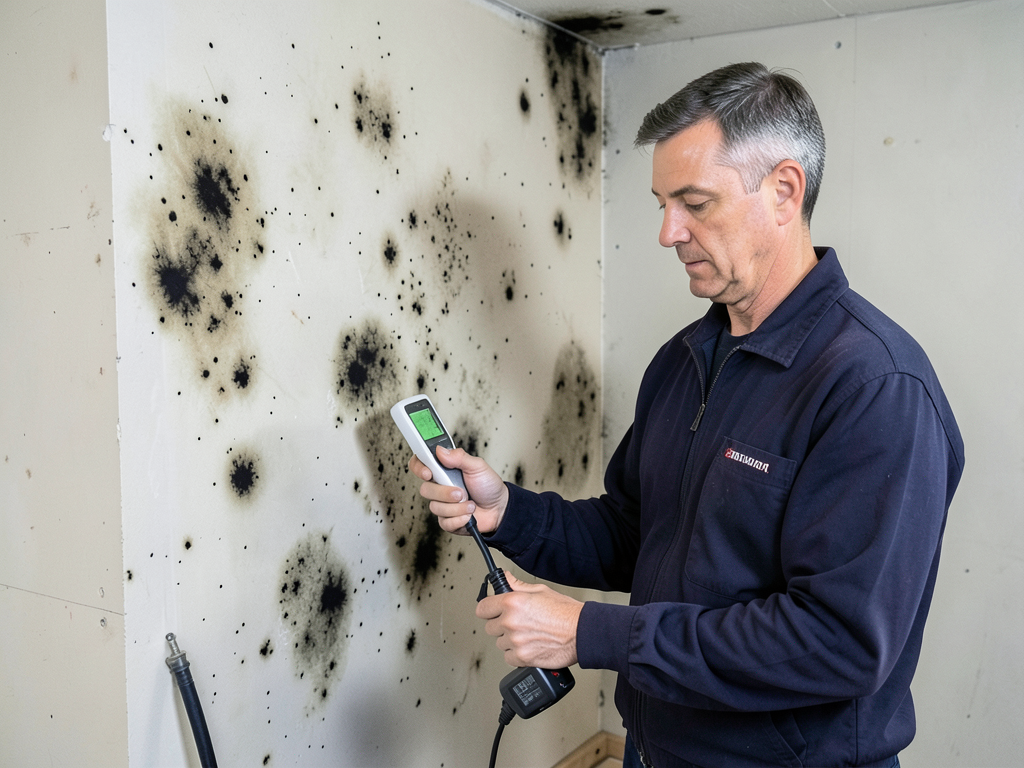
Our drying process uses commercial air movers and dehumidifiers to bring moisture levels back to normal. We monitor daily with thermal imaging and moisture meters to confirm that hidden pockets of dampness are eliminated. Columbus's high summer humidity makes this step critical. Without proper drying, mold will colonize behind walls and under floors, creating a long-term problem that costs far more to fix later.

What Happens During Your Toilet Overflow Emergency Call

24/7 Toilet Overflow Cleanup in Columbus – Fast Response Stops Sewage Damage
01

Immediate Dispatch and Arrival

When you call our emergency line, we dispatch a crew to your Columbus home immediately. Our average response time is under 60 minutes. Our technicians arrive with extraction equipment, antimicrobial supplies, and personal protective gear. We begin work the moment we walk through the door, shutting off water sources and assessing contamination levels to protect your family from exposure.
02

Extraction and Disinfection

We remove all contaminated water using truck-mounted extractors, then apply hospital-grade disinfectants to floors, walls, and fixtures. We remove unsalvageable materials like soaked drywall or padding and bag them for safe disposal. Every surface is treated to eliminate bacteria and prevent microbial growth. We document the entire process with photos and moisture readings for your insurance carrier.
03

Drying and Restoration

After disinfection, we set up industrial air movers and dehumidifiers to dry the structure completely. We monitor moisture levels daily until they return to normal. Once drying is complete, we coordinate with our restoration team to replace drywall, flooring, and trim. You get a fully restored bathroom with no lingering odors, stains, or health risks. We follow up to confirm everything meets your expectations.

Why Columbus Homeowners Trust Five Star for Sewage Emergencies

Five Star Water Damage Restoration Columbus has built a reputation for handling the jobs other companies avoid. Sewage cleanup is unpleasant, hazardous work that requires specialized training and equipment. Our technicians are IICRC-certified in water damage restoration and applied microbial remediation. We follow strict protocols to protect ourselves and your family from exposure to pathogens.

We know Columbus homes. We have worked in every neighborhood, from the historic brick homes in Bexley to the newer subdivisions in Hilliard and Dublin. We understand how local building codes affect restoration work, and we coordinate with city inspectors when required. If your home has a septic system common in rural parts of Delaware County or Fairfield County, we know how to handle backups caused by system failures or saturated drain fields.

Our relationship with local insurance adjusters speeds up your claim process. We provide detailed documentation that satisfies carrier requirements, including moisture maps, photos, and itemized estimates. Many homeowners do not realize their policy covers sewage backups under a separate endorsement. We help you navigate that process so you get the coverage you are entitled to.

We also offer direct billing and flexible payment options if you need to move forward before insurance approval. Our goal is to remove barriers so you can get your home safe and clean as quickly as possible. We do not upsell unnecessary services. We tell you what needs to be done, why it needs to be done, and how much it will cost. No surprises.

When you call Five Star, you get a local team that lives and works in Columbus. We care about this community, and we treat your home the way we would treat our own.

What to Expect When You Call for Toilet Overflow Cleanup

Response Time and Availability

We operate 24 hours a day, 7 days a week, 365 days a year. Sewage emergencies do not wait for business hours, and neither do we. When you call our emergency line at (614) 707-7505, you speak to a live person who dispatches a crew immediately. Our average arrival time is 60 minutes or less anywhere in the Columbus metro area. We do not use answering services or route calls to distant call centers. You get local help, fast.

Assessment and Inspection

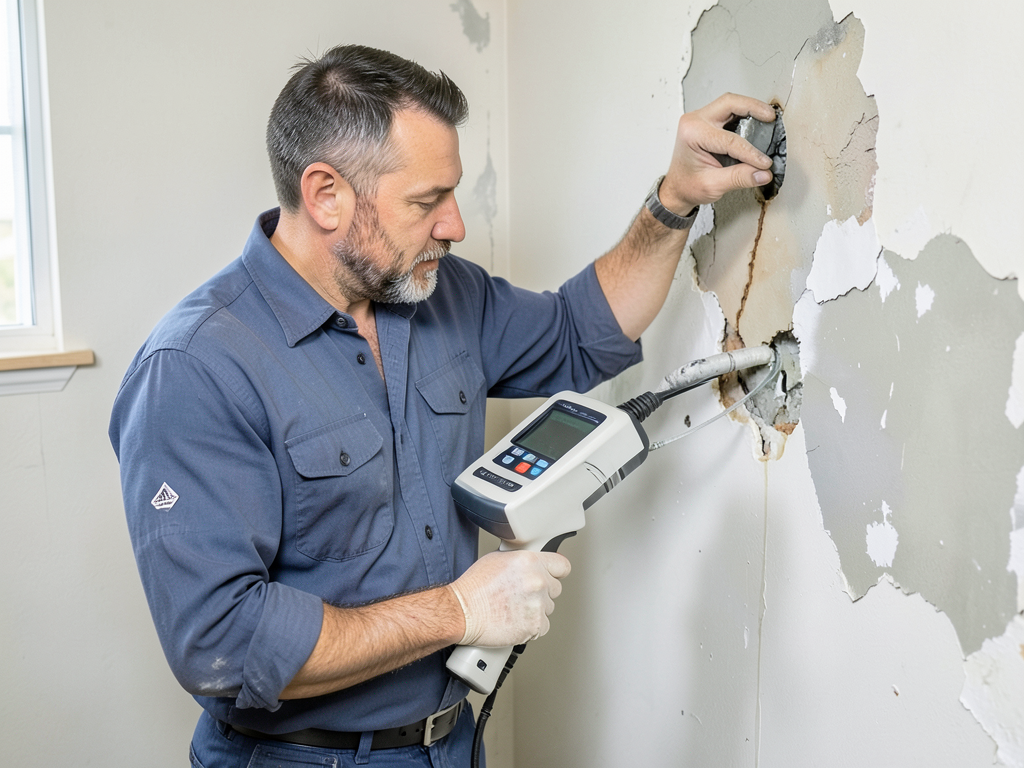
Our first priority is safety. We assess the contamination level and identify affected areas using moisture meters and thermal imaging cameras. We explain what we find in plain language, show you the damage, and outline the steps required to restore your home. We take detailed photos and measurements for your insurance claim. There is no charge for the initial assessment when you proceed with our cleanup services. You get a clear scope of work before we start.

Quality of the Final Result

We do not consider the job complete until your home is clean, dry, and safe. Our goal is to restore your property to pre-loss condition or better. We use moisture meters to confirm dryness, and we perform a final walkthrough with you to ensure everything meets your expectations. You should not be able to tell there was ever a problem. No lingering odors, no stains, no hidden moisture. Just a clean, restored space you can use with confidence.

Follow-Up and Prevention

After cleanup, we provide recommendations to prevent future overflows, like installing backwater valves or upgrading old wax rings on toilets. We also offer follow-up inspections to confirm there is no secondary mold growth. If you have questions weeks or months later, we are still here to help. Our relationship with you does not end when the equipment gets packed up. We stand behind our work and our community.

Frequently Asked Questions

You Have Questions,
We Have Answers

Will toilet overflow cause mold? +

Yes. Toilet overflow creates perfect conditions for mold growth within 24 to 48 hours. The contaminated water soaks into flooring, baseboards, and drywall, especially in Columbus homes with older subfloors or crawl spaces. High humidity levels common in Ohio summers accelerate spore development. If you see standing water or dampness after an overflow, act fast. Extract all water, remove soaked materials, and dry everything completely. Professional extraction equipment reaches moisture you cannot see. Mold remediation becomes necessary if you wait too long. Stop the problem now before it spreads through your home.

How to clean a toilet overflow tube? +

The overflow tube inside your tank does not need cleaning in most cases. If mineral buildup clogs it, turn off the water supply and flush to empty the tank. Use a small brush or pipe cleaner to scrub calcium deposits from the tube opening. Columbus water has moderate hardness, so mineral buildup happens over time. Vinegar soaks help dissolve stubborn deposits. If the tube cracks or breaks, replace the entire fill valve assembly. Do not confuse this with toilet overflow cleanup after a bowl spill, which requires different sanitization steps and immediate water extraction.

Will hydrogen peroxide dissolve toilet paper? +

Hydrogen peroxide breaks down toilet paper slowly, but it will not clear a clog fast enough during an emergency overflow. The reaction takes hours and requires high concentrations to work. During a Columbus toilet overflow, you need immediate action to stop contaminated water from spreading into flooring and subflooring. Shut off the water supply first. Remove standing water quickly. Hydrogen peroxide works better for sanitizing surfaces after cleanup, not for dissolving clogs. Call a plumber for drain blockages. Focus on water extraction and drying to prevent permanent damage and mold growth.

Can you pour vinegar in a toilet overflow tube? +

Yes, but only for maintenance cleaning, not emergency overflows. Pour one to two cups of white vinegar into the overflow tube to dissolve mineral deposits and prevent clogs. Let it sit for 30 minutes, then flush. Columbus water contains minerals that build up over time in tanks and tubes. Vinegar cleaning every few months keeps components working properly. This prevents future overflows caused by faulty fill valves or blocked tubes. During an active overflow emergency, vinegar will not help. You need immediate water shutoff, extraction, and sanitization of contaminated areas before mold takes hold.

How do Japanese bathrooms not get mold? +

Japanese bathrooms use fully waterproof construction with floor drains, ventilation systems, and water-resistant materials throughout. Walls, floors, and ceilings are designed to handle direct water exposure and dry quickly. High-powered exhaust fans run continuously to remove moisture. This differs from typical Columbus bathrooms, which use drywall, wood subfloors, and standard ventilation. When toilet overflows happen here, porous materials absorb contaminated water fast. You cannot retrofit a traditional bathroom to Japanese standards affordably. Focus on quick water extraction, thorough drying, and proper ventilation after any overflow to prevent mold in your existing space.

What are the first signs of mold sickness? +

Respiratory symptoms appear first. You may experience persistent coughing, wheezing, throat irritation, or nasal congestion that does not improve. Headaches, fatigue, and difficulty concentrating follow. Skin rashes or eye irritation occur with direct mold contact. After a toilet overflow in Columbus, mold grows fast in hidden areas like wall cavities and under flooring. If you notice these symptoms after water damage, leave the affected area and get professional testing. Black water contamination from toilet overflows adds bacteria and pathogens to the problem. Do not wait. Health risks increase the longer you breathe mold spores.

What are two things you should never flush down a toilet? +

Never flush wipes or feminine hygiene products. Wipes labeled flushable do not break down like toilet paper. They tangle in pipes and create blockages that cause overflows. Feminine products absorb water and expand, lodging in drain lines. Columbus homes with older cast iron or clay sewer lines face higher clog risks. These materials corrode and catch debris easier than modern PVC. Hair, dental floss, and cotton swabs also cause problems. Flush only human waste and toilet paper. Everything else goes in the trash. Preventing clogs stops overflows before they damage your floors and walls.

What do plumbers recommend to clean toilet tanks? +

Plumbers recommend white vinegar and baking soda for routine tank cleaning. Turn off water, flush to empty the tank, then spray vinegar on all surfaces. Let it sit for 30 minutes to dissolve mineral deposits common in Columbus water. Scrub with a brush and flush. For heavy buildup, add baking soda to create a gentle abrasive paste. Avoid bleach tablets that damage rubber flappers and seals, causing leaks and overflows. Clean tanks twice yearly to prevent component failure. Regular maintenance stops problems before they create emergency overflows that require professional water extraction and sanitization.

How to sanitize floor after toilet overflow? +

Use EPA-registered disinfectants after removing all standing water. Toilet overflows contain category three black water with dangerous bacteria and pathogens. Bleach solution works, but quaternary ammonium compounds penetrate porous surfaces better. Spray all affected flooring, baseboards, and walls. Let disinfectant sit for 10 minutes before wiping. Columbus humidity means floors stay damp longer, increasing contamination risks. Remove and discard porous materials like rugs and padding. Use fans and dehumidifiers to dry everything completely within 48 hours. Professional extraction equipment reaches water under flooring that household tools miss. Do not skip this step.

Why is hydrogen peroxide no longer recommended? +

Hydrogen peroxide loses effectiveness on porous surfaces and breaks down quickly when exposed to light and organic matter. It works on hard, non-porous surfaces but fails to penetrate grout, wood, or drywall where toilet overflow water soaks in. Quaternary ammonium disinfectants provide longer contact time and better pathogen kill rates for category three black water cleanup. After Columbus toilet overflows, you face E. coli, salmonella, and other dangerous bacteria that require hospital-grade disinfection. Hydrogen peroxide also degrades fast in storage. Professional restoration teams use EPA-registered products specifically designed for sewage contamination.

How Columbus's Aging Sewer Infrastructure Increases Toilet Overflow Risk

Columbus has a combined sewer system in many older neighborhoods, meaning stormwater and sewage share the same pipes. During heavy rains, which are common in spring and summer, the system can become overwhelmed, causing backups into homes through floor drains and toilets. The city has invested in infrastructure improvements, but thousands of homes in German Village, Italian Village, and the Brewery District remain vulnerable. If you live in one of these areas, a backwater valve is critical, and fast response to overflows is essential to prevent widespread contamination.

Five Star Water Damage Restoration Columbus has worked with hundreds of homeowners affected by sewer backups and toilet overflows throughout Franklin County. We understand the unique challenges posed by Columbus's aging infrastructure and soil conditions. Our team is trained to handle Category 3 water contamination safely and effectively, following IICRC standards and local health department guidelines. When you choose a local company like Five Star, you get a team that knows Columbus homes, Columbus regulations, and Columbus problems. That local expertise makes all the difference when sewage is involved.
Water Damage Restoration Services in The Columbus Area

We proudly serve the wider Columbus area and its surrounding communities. Our centrally located office allows our emergency response teams to reach your property quickly, no matter where you are. We are committed to being a reliable resource for our neighbors, and our responsive team is always on standby to provide professional assistance when you need it most. We believe that local expertise and a quick response are crucial when dealing with water damage, so we encourage you to view our service area to see if we can help.

Address:
Five Star Water Damage Restoration Columbus, 601 N High St, Columbus, OH, 43215

Additional Services We Offer

Our news updates

Latest Articles & News from The Blogs

Dealing with water damage when you live in a Columbus HOA or condo association Water damage in a Columbus condo…

Dealing with water damage when you live in a Columbus HOA or condo association

Dealing with water damage when you live in a Columbus HOA or condo association Water damage in a Columbus condo…

The real difference between common mildew and dangerous black mold in Eastmoor homes

The real difference between common mildew and dangerous black mold in Eastmoor homes Eastmoor homeowners often spot dark patches in…

Testing your sump pump before the spring rains hit the South Side

Testing your sump pump before the spring rains hit the South Side \n\n Heavy spring rains combined with the clay-rich…

Contact Us

Do not let sewage contamination spread through your home. Call Five Star Water Damage Restoration Columbus at (614) 707-7505 right now for immediate dispatch. We are available 24/7 for emergency toilet flood restoration and overflowing toilet cleanup throughout the Columbus area.