Menu

Understanding Mold Toxicity in Columbus – Recognize the Warning Signs Before Health Problems Escalate

Learn how to identify mold illness symptoms, black mold health risks, and mycotoxin exposure in your Columbus property before chronic respiratory problems and neurological issues develop.

Slider Image 1
Slider Image 2
Slider Image 3
Slider Image 4
Slider Image 5
Slider Image 7
Slider Image 8
Slider Image 9
Slider Image 10
Slider Image 11

Why Columbus Homes Face Higher Mold Toxicity Risks

Columbus sits in a humid continental climate zone where summer humidity regularly exceeds 70 percent. The Scioto and Olentangy Rivers create moisture pockets throughout Franklin County that make basements and crawl spaces perfect breeding grounds for toxic mold growth.

You might dismiss persistent headaches, brain fog, or chronic fatigue as stress or seasonal allergies. These are classic signs of mold poisoning that thousands of Columbus residents experience without connecting the dots to their water-damaged property.

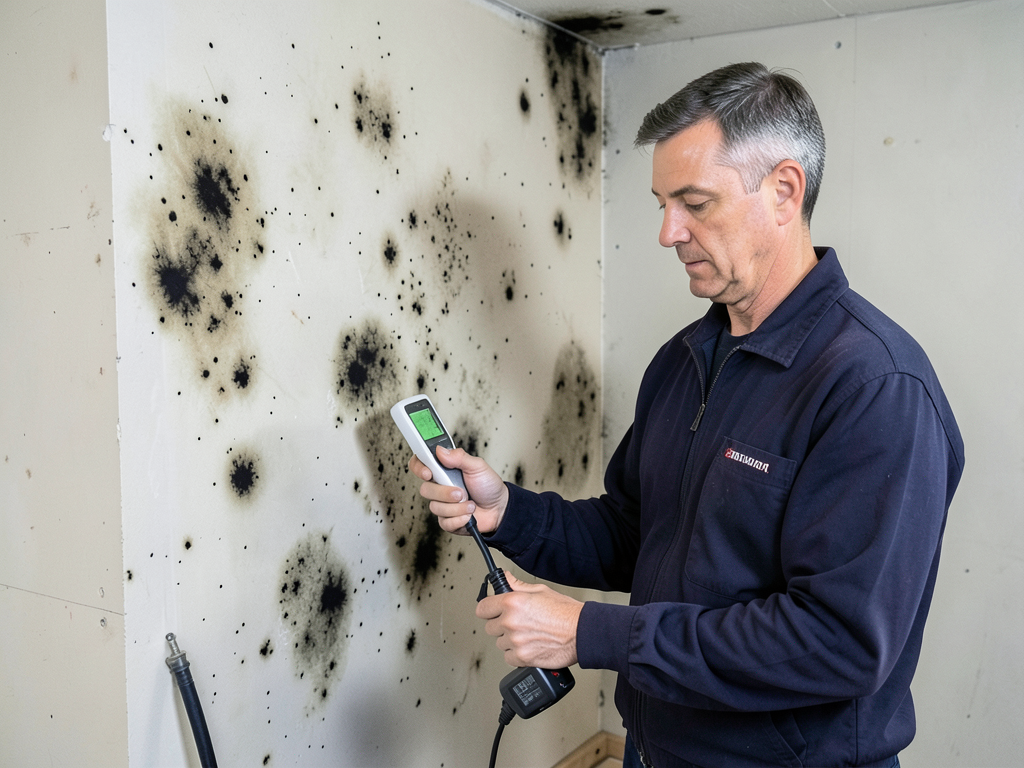
Black mold health risks intensify when spores colonize behind drywall after pipe leaks, foundation seepage, or roof infiltration. Stachybotrys chartarum produces mycotoxins that trigger respiratory distress, skin rashes, and immune system dysfunction. The effects of mold exposure compound over months, turning minor symptoms into debilitating illness.

German Village's historic brick homes with stone foundations trap moisture differently than newer construction in Dublin or Westerville. Older neighborhoods near Goodale Park and the Short North often have compromised drainage systems that allow groundwater intrusion during spring thaw cycles.

Mold illness symptoms appear gradually. You adapt to the constant sinus pressure, the afternoon energy crashes, the persistent cough that never fully resolves. Your body is responding to mycotoxin illness, but most people wait until respiratory infections become chronic before investigating the environmental cause.

Understanding these patterns helps you recognize when water damage has progressed beyond visible staining into a health crisis requiring professional remediation and medical evaluation.

Why Columbus Homes Face Higher Mold Toxicity Risks
How Toxic Mold Develops After Water Damage

How Toxic Mold Develops After Water Damage

Mold colonization follows a predictable timeline after water intrusion. Within 24 to 48 hours, spores begin germinating on damp building materials. By day three, hyphae networks spread through porous surfaces like drywall, insulation, and subflooring.

The critical distinction between surface mold and toxic mold comes down to species identification and mycotoxin production. Aspergillus, Penicillium, and Stachybotrys species release secondary metabolites that become airborne and infiltrate your HVAC system, spreading contamination throughout your property.

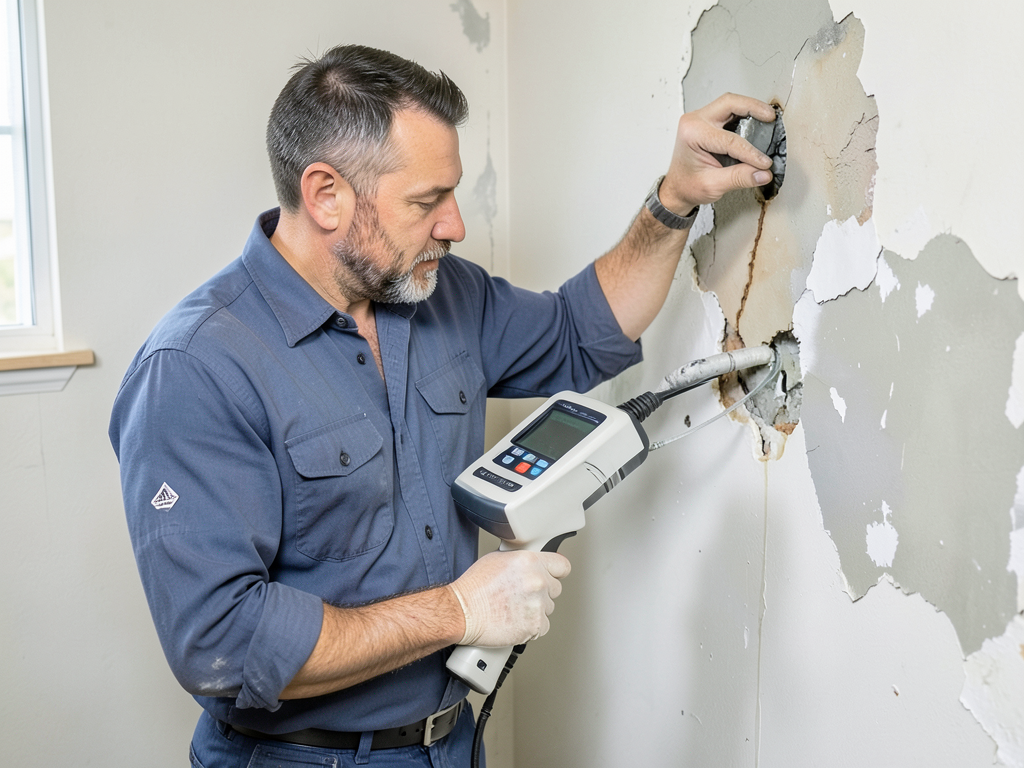
Five Star Water Damage Restoration Columbus uses moisture mapping with thermal imaging cameras to identify hidden saturation patterns inside wall cavities and ceiling assemblies. We measure relative humidity levels and take air samples to quantify spore concentrations before remediation begins.

The mycotoxin pathway explains why symptoms persist even after visible mold removal. Toxins bind to dust particles and settle on surfaces, reactivating when disturbed. Improper cleaning methods aerosolize these particles, worsening indoor air quality and prolonging exposure.

Professional remediation requires negative air pressure containment, HEPA filtration during demolition, antimicrobial application to structural components, and post-remediation verification testing. We remove contaminated materials completely rather than applying surface treatments that leave mycotoxin residue embedded in substrates.

The difference between DIY attempts and professional protocols determines whether you eliminate the health threat or simply relocate it. Bleach does not kill mold roots in porous materials. Encapsulation products trap moisture and create anaerobic conditions that accelerate decay.

Understanding the biological process helps you make informed decisions about remediation scope and the urgency of addressing water damage before colonization reaches toxic levels.

What Happens During a Mold Toxicity Assessment

Understanding Mold Toxicity in Columbus – Recognize the Warning Signs Before Health Problems Escalate
01

Initial Health Symptom Documentation

We start by documenting your specific symptoms and timeline to establish correlation with water damage events. This includes respiratory issues, cognitive problems, skin reactions, and chronic fatigue patterns. We identify which rooms you occupy most and map symptom severity to moisture intrusion locations. This baseline helps medical providers connect environmental exposure to health outcomes and guides our remediation priorities.
02

Environmental Testing and Analysis

We conduct comprehensive air sampling, surface swabs, and bulk material testing to identify mold species and quantify mycotoxin concentrations. Thermal imaging reveals hidden moisture sources behind finished surfaces. We measure indoor air quality parameters including volatile organic compounds and particulate matter. Laboratory analysis identifies specific toxigenic species like Stachybotrys, Aspergillus, and Penicillium that correlate with your documented symptoms.
03

Medical Referral and Resource Connection

We provide detailed environmental reports that physicians can use for clinical diagnosis of mold illness and mycotoxin exposure. You receive documentation for insurance claims, medical appointments, and potential relocation decisions. We connect you with local allergists, environmental medicine specialists, and indoor air quality consultants who understand the health implications of chronic mold exposure and can guide your recovery after remediation is complete.

Why Columbus Residents Choose Five Star for Mold Health Concerns

Columbus's building stock ranges from 1800s German Village brick homes to 1950s Clintonville bungalows to modern Polaris developments. Each construction type presents distinct moisture management challenges that require local expertise to assess properly.

We understand how Franklin County's clay soil composition affects foundation drainage, how the transition from humid summers to freeze-thaw winters creates condensation problems, and which neighborhoods experience recurring groundwater intrusion during spring storms.

Five Star Water Damage Restoration Columbus focuses on the health implications of water damage, not just cosmetic restoration. When you call about a basement leak, we evaluate the timeline and conditions that determine whether toxic mold colonization has occurred. We explain the difference between surface cleaning and full remediation based on actual contamination levels, not sales quotas.

Our technicians recognize the signs of mycotoxin illness because we see the health consequences when property owners delay professional assessment. We provide objective air quality data and species identification results so you can make informed decisions about remediation scope and whether temporary relocation is necessary during the process.

Columbus General Hospital and OhioHealth Riverside emergency departments regularly see patients with unexplained respiratory symptoms that stem from home mold exposure. We coordinate with medical providers who request environmental testing reports to support clinical diagnosis and treatment planning.

The distinction between a restoration company and a health-focused remediation specialist matters when your family's wellbeing depends on complete toxin elimination. We prioritize air quality outcomes over project speed, ensuring post-remediation testing confirms safe occupancy before we consider the work complete.

Trust comes from transparency about what testing reveals and honest guidance about whether health risks justify the expense of comprehensive remediation versus targeted moisture control.

What to Expect During Mold Toxicity Evaluation

Response Time for Health Concerns

We schedule mold health assessments within 24 hours of your call, recognizing that ongoing exposure compounds health risks. Emergency evaluations are available for acute respiratory distress or confirmed immune-compromised occupants. The initial inspection takes 90 minutes to two hours, depending on property size and the number of suspected contamination zones. We provide preliminary observations immediately and laboratory results within three to five business days. If conditions warrant immediate occupant protection, we discuss temporary containment measures and ventilation strategies while awaiting lab confirmation.

Comprehensive Assessment Protocol

Our evaluation includes visual inspection, moisture mapping, thermal imaging, air quality sampling, and material testing. We document all water damage sources, measure indoor humidity levels, and photograph visible growth patterns. You receive a detailed report explaining which mold species were identified, mycotoxin risk levels, contamination extent, and recommended remediation scope. We explain the difference between elevated spore counts that require source removal versus normal background levels. The assessment includes specific health risk documentation that medical providers can use for diagnosis and insurance claims related to mold illness symptoms.

Health-Focused Remediation Standards

We follow IICRC S520 standards for mold remediation with enhanced protocols for toxigenic species. This includes full containment barriers, negative air pressure systems, HEPA filtration during demolition, and antimicrobial treatment of all affected structural components. We remove contaminated materials completely rather than attempting surface cleaning on porous substrates. Post-remediation verification includes clearance testing to confirm spore counts return to normal ambient levels before reconstruction begins. You receive documentation showing before and after air quality measurements that prove the health threat has been eliminated.

Ongoing Monitoring and Prevention

After remediation, we provide moisture management recommendations specific to your property's construction type and the original water intrusion source. This includes guidance on dehumidification, ventilation improvements, and drainage corrections to prevent recurrence. We offer annual air quality monitoring for properties with chronic moisture issues or occupants with mold sensitivity. You receive educational resources about recognizing early warning signs of water damage and when to request professional evaluation. For immune-compromised occupants or those recovering from mycotoxin illness, we coordinate with medical providers to establish safe reoccupancy timelines and ongoing environmental monitoring protocols.

Frequently Asked Questions

You Have Questions,
We Have Answers

What are the 10 warning signs of mold toxicity? +

Common warning signs include persistent fatigue, brain fog, headaches, respiratory issues like coughing or wheezing, skin rashes, sinus congestion, eye irritation, joint pain, mood changes, and digestive problems. Columbus residents dealing with older homes or basement moisture may experience these symptoms after prolonged exposure. If you notice multiple symptoms worsening indoors and improving outdoors, suspect mold exposure. High humidity in central Ohio creates ideal conditions for mold growth. Document your symptoms and consult a physician familiar with environmental toxins. Professional mold inspection identifies hidden sources in crawl spaces, attics, and behind walls.

How do you know if you have mold toxicity in your body? +

Symptoms manifest differently in each person. Watch for chronic fatigue unrelieved by rest, difficulty concentrating, unexplained allergic reactions, recurring sinus infections, and sensitivity to smells. Blood tests can measure mold antibodies and inflammatory markers. Urine mycotoxin testing detects specific mold toxins in your system. In Columbus, where basements and poor ventilation contribute to mold growth, many residents attribute symptoms to allergies without considering mold exposure. Keep a symptom diary noting when issues worsen. A functional medicine doctor or environmental health specialist can order appropriate testing and interpret results within the context of your home environment.

Can mold cause heartburn? +

Yes, mold exposure can trigger heartburn and acid reflux. Mycotoxins irritate the digestive system lining, causing inflammation throughout the gastrointestinal tract. This inflammation weakens the lower esophageal sphincter, allowing stomach acid to flow backward. Columbus residents exposed to basement mold or water-damaged areas often report digestive symptoms alongside respiratory issues. Mold also disrupts gut bacteria balance, worsening reflux symptoms. If you experience persistent heartburn with other mold exposure signs like congestion or fatigue, investigate your home for hidden mold growth. Addressing the source stops ongoing exposure while your body heals.

What are the 5 most toxic molds? +

Stachybotrys chartarum (black mold), Aspergillus fumigatus, Cladosporium, Penicillium, and Alternaria rank as the most dangerous molds. Black mold produces trichothecene mycotoxins causing severe respiratory and neurological symptoms. Aspergillus creates aflatoxins linked to immune suppression and lung infections. These molds thrive in water-damaged buildings common throughout Columbus after flooding or plumbing failures. Each produces different mycotoxins with unique health impacts. Professional testing identifies specific mold species in your home. Removal requires containment procedures and proper ventilation. Never attempt removal of toxic mold yourself. Disturbance releases massive spore concentrations into your breathing space.

How do I test myself for mold toxicity? +

Start with a home inspection to confirm mold presence. Professional air quality testing measures airborne spore levels. For personal testing, request urine mycotoxin testing through a functional medicine provider or environmental health specialist. This lab test detects mold toxins your body is actively processing. Blood tests measure antibodies and inflammatory markers indicating immune response to mold. Visual Contrast Sensitivity (VCS) testing screens for biotoxin illness affecting vision. Columbus residents can also try elimination testing by spending several days away from their home and monitoring symptom changes. Combine multiple testing methods for accurate assessment of exposure and body burden.

What kills mold permanently? +

Nothing kills mold permanently if moisture remains. Successful remediation requires eliminating the water source first. Professionals use HEPA vacuums, antimicrobial solutions, and complete removal of contaminated materials. Porous surfaces like drywall and insulation must be discarded, not cleaned. Hard surfaces respond to hydrogen peroxide, borax, or commercial fungicides. In Columbus, addressing basement humidity, foundation leaks, and poor ventilation prevents recurrence. Install dehumidifiers maintaining humidity below 50 percent. Fix roof leaks and plumbing issues immediately. Proper ventilation in bathrooms and kitchens reduces condensation. Mold returns wherever moisture accumulates. Prevention through environmental control provides the only permanent solution.

How do you get rid of mold toxicity in your body? +

First, eliminate ongoing exposure by remediating your home. Your body begins detoxification once exposure stops. Support natural detox pathways by drinking filtered water, eating nutrient-dense foods, and optimizing gut health with probiotics. Sweating through exercise or sauna use helps eliminate toxins. Binders like activated charcoal or bentonite clay trap mycotoxins for removal. Work with a functional medicine practitioner who understands mold illness. They may recommend specific supplements supporting liver function and reducing inflammation. Columbus residents should address home moisture issues while pursuing medical treatment. Recovery timelines vary based on exposure duration and individual health. Some people improve within months while others require years.

Can air purifiers remove mold spores? +

Quality air purifiers with true HEPA filters capture mold spores from air circulation. They reduce airborne spore concentration but do not eliminate the source. HEPA filters trap particles down to 0.3 microns, including most mold spores. Look for units with activated carbon filters addressing mycotoxins and odors. In Columbus homes, air purifiers help during remediation and provide ongoing protection in humid areas. Place units in bedrooms and main living spaces. Change filters according to manufacturer schedules. Air purification alone cannot solve mold problems. You must fix moisture issues and remove contaminated materials. Consider purifiers supplementary protection, not primary treatment.

What are the first signs of mold in a house? +

Visible mold appears as black, green, white, or brown patches on surfaces. A musty, earthy odor signals hidden mold growth behind walls or under flooring. Water stains on ceilings or walls indicate moisture problems creating mold conditions. Condensation on windows, increased allergy symptoms indoors, and warping or discoloration of walls suggest mold presence. Columbus homes with basements, crawl spaces, or older plumbing face higher risk. Check areas around windows, under sinks, behind toilets, and in attic spaces. Peeling wallpaper or bubbling paint indicates moisture trapped in walls. Address these signs immediately before mold spreads throughout your home.

Can mold affect your bowel movements? +

Mold exposure commonly disrupts bowel function. Mycotoxins damage intestinal lining, causing inflammation throughout the digestive tract. This leads to diarrhea, constipation, irregular bowel movements, and irritable bowel symptoms. Mold also alters gut microbiome balance, reducing beneficial bacteria and increasing harmful species. Columbus residents exposed to water-damaged buildings often report digestive changes alongside respiratory symptoms. The gut houses significant immune system components, making it vulnerable to mold toxins. If you experience persistent digestive issues with other mold exposure signs, investigate your environment. Eliminating exposure allows gut healing. Probiotics and anti-inflammatory nutrition support recovery once you address the mold source.

How Columbus's Humidity and River Proximity Intensify Mold Health Risks

Columbus sits at the confluence of the Scioto and Olentangy Rivers, creating microclimates where summer humidity consistently exceeds 70 percent from June through August. This moisture load combines with Franklin County's clay-heavy soil that prevents proper foundation drainage, keeping basements perpetually damp. Neighborhoods near Antrim Park, along the Olentangy Trail, and throughout Brewery District's lower elevations experience seasonal groundwater intrusion that creates ideal conditions for toxic mold colonization. The freeze-thaw cycles between December and March cause foundation cracks that allow spring meltwater penetration, triggering mold growth cycles that peak during April and May when residents first notice respiratory symptoms worsening.

Five Star Water Damage Restoration Columbus maintains relationships with local allergists at Mount Carmel Health System and Nationwide Children's Hospital who regularly diagnose mold-related respiratory illness in patients. We understand Franklin County building codes regarding moisture barriers in below-grade construction and the specific challenges posed by Columbus's historic housing stock, where 40 percent of homes predate modern vapor barrier requirements. Our technicians recognize which German Village basements require sump pump upgrades, which Clintonville crawl spaces need encapsulation, and which Upper Arlington properties experience HVAC condensation problems due to undersized ductwork. This local knowledge ensures we address the root moisture source, not just the visible mold growth.
Water Damage Restoration Services in The Columbus Area

We proudly serve the wider Columbus area and its surrounding communities. Our centrally located office allows our emergency response teams to reach your property quickly, no matter where you are. We are committed to being a reliable resource for our neighbors, and our responsive team is always on standby to provide professional assistance when you need it most. We believe that local expertise and a quick response are crucial when dealing with water damage, so we encourage you to view our service area to see if we can help.

Address:
Five Star Water Damage Restoration Columbus, 601 N High St, Columbus, OH, 43215

Additional Services We Offer

Our news updates

Latest Articles & News from The Blogs

Dealing with water damage when you live in a Columbus HOA or condo association Water damage in a Columbus condo…

Dealing with water damage when you live in a Columbus HOA or condo association

Dealing with water damage when you live in a Columbus HOA or condo association Water damage in a Columbus condo…

The real difference between common mildew and dangerous black mold in Eastmoor homes

The real difference between common mildew and dangerous black mold in Eastmoor homes Eastmoor homeowners often spot dark patches in…

Testing your sump pump before the spring rains hit the South Side

Testing your sump pump before the spring rains hit the South Side \n\n Heavy spring rains combined with the clay-rich…

Contact Us

Stop wondering if your home is making you sick. Call Five Star Water Damage Restoration Columbus at (614) 707-7505 for comprehensive mold toxicity evaluation. We provide lab-verified results and clear remediation guidance within 24 hours.