
Understanding the three categories of water and why they change your cleanup costs
When water invades your Columbus home or business the cleanup process varies dramatically based on the type of water involved. Many property owners don’t realize that water damage restoration costs can range from a few hundred dollars to several thousand depending on whether you’re dealing with clean water from a broken pipe or contaminated black water from a sewage backup. Professional water damage restoration for Short North shops and galleries.
Understanding these three categories of water is crucial for both safety and cost management. The Institute of Inspection Cleaning and Restoration Certification (IICRC) S500 standard classifies water into three distinct categories based on contamination levels and health risks. This classification directly determines the equipment needed the protective measures required and ultimately your final restoration bill. IICRC S500 Standard.
In Columbus where heavy spring rains and aging infrastructure create unique challenges knowing what type of water you’re dealing with can save you thousands in unnecessary mitigation costs. Let’s break down each category and explain why they matter for your property’s recovery.
The Three Categories of Water Contamination (IICRC Standards)
The IICRC S500 standard provides the framework that professional restoration companies use to classify water damage. Each category requires different handling procedures safety protocols and equipment which directly impacts your cleanup costs. Frozen pipe cleanup and repair in Gahanna before the damage spreads.
Category 1: Clean Water
Category 1 water originates from a sanitary source and poses no substantial risk to human health. Common sources include broken water supply lines melting ice or snow falling rainwater and toilet tanks without contaminants. This water starts clean but can deteriorate to Category 2 or 3 if left untreated for more than 48 hours.
In Columbus clean water incidents often occur during winter when pipes freeze and burst or during spring storms when roof leaks develop. The cleanup process typically involves water extraction drying equipment and moisture monitoring. Since no decontamination is required Category 1 cleanup costs are generally the lowest ranging from $3 to $4 per square foot for basic water removal and drying. Fixing storm and flood damage in Hilliard after heavy rains.
Clean water damage in historic German Village homes requires special attention to preserve original hardwood floors and plaster walls. The lath and plaster construction common in homes built before 1940 absorbs water differently than modern drywall requiring slower more controlled drying to prevent cracking and warping.
Category 2: Gray Water
Category 2 water contains significant contamination and can cause discomfort or illness if contacted or consumed. This water may contain chemicals toxins bacteria or other contaminants. Sources include dishwasher or washing machine discharge sump pump failures and toilet overflows with urine only.
Gray water cleanup requires additional safety measures including protective equipment antimicrobial treatments and more extensive cleaning procedures. The cost typically ranges from $4 to $6.50 per square foot because of the added decontamination steps.
In Columbus neighborhoods like Clintonville and Upper Arlington gray water incidents frequently occur when sump pumps fail during heavy spring rains. The area’s clay soil creates high hydrostatic pressure on basement walls and when sump pumps can’t keep up water backs up through floor drains and foundation cracks.
Gray water requires specific handling protocols under Ohio EPA regulations. Contaminated materials like carpet padding must be removed and disposed of properly at licensed facilities. The 24 to 48 hour window is critical because Category 2 water can quickly become Category 3 if left untreated. EPA flood cleanup guidelines.
Category 3: Black Water
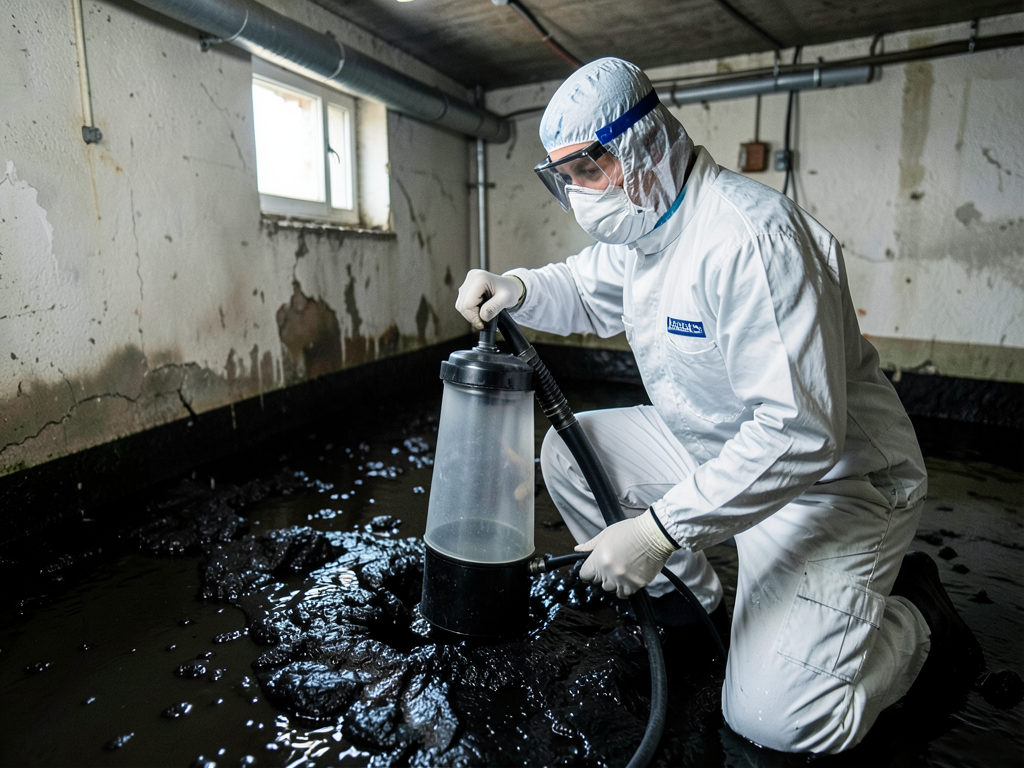
Category 3 water is grossly contaminated and can contain pathogenic agents toxins or other harmful substances. This includes sewage sewage backup flooding from rivers or streams and water from beyond the toilet trap. Black water poses serious health risks and requires immediate professional intervention.
Black water cleanup is the most expensive and complex process costing $7 to $10 per square foot or more. It requires full personal protective equipment including respirators containment barriers to prevent cross-contamination and disposal of all porous materials that cannot be properly disinfected.
Columbus’s combined sewer system in older downtown areas creates unique black water risks. During heavy rainfall the system can back up sending contaminated water into basements through floor drains and toilets. The Scioto River’s proximity to many neighborhoods also means floodwater often contains agricultural runoff chemicals and biological contaminants.
Black water incidents require coordination with Franklin County Public Health and proper documentation for insurance claims. The restoration process includes thorough cleaning with EPA registered disinfectants HEPA air filtration and often structural repairs to prevent future incidents.
The Four Classes of Water Damage (The Scope of Loss)
Beyond the three categories of water contamination water damage is also classified into four classes based on the rate of evaporation and the amount of water present. Understanding both the category and class of your water damage is essential for accurate cost estimates.
Class 1 involves minimal water absorption affecting only part of a room with low permeance materials like concrete or plywood. Class 2 affects an entire room with water wicking up walls less than 24 inches. Class 3 involves the greatest amount of water saturation often coming from overhead affecting ceilings walls insulation and subfloor. Class 4 involves specialty drying situations with materials like hardwood brick or concrete that have very low permeance.
A Category 1 Class 4 water damage in a historic Bexley home with original hardwood floors requires completely different restoration techniques than a Category 3 Class 2 sewage backup in a modern Dublin office building. The class determines the equipment needed the drying time and the labor involved all of which impact your final costs. What to do right now if your Dublin basement just flooded.
How Columbus Weather and Infrastructure Impact Local Water Damage
Columbus’s climate and infrastructure create unique water damage scenarios that affect both the category and class of water incidents. Understanding these local factors helps explain why restoration costs vary across different neighborhoods.
Polar vortex events cause frozen pipe bursts particularly in older homes in German Village and Merion Village where plumbing may not be adequately insulated. When these pipes thaw the resulting water is Category 1 but can quickly become Category 2 or 3 if the break occurs in a wall cavity where mold and bacteria are present.
Spring thunderstorms bring heavy rainfall that overwhelms Columbus’s combined sewer system. Areas near the Scioto River and Olentangy River face increased flood risks with water often containing contaminants that immediately classify it as Category 3. The clay soil common throughout Franklin County exacerbates drainage issues causing water to pool around foundations and eventually seep into basements.
Commercial properties near Easton Town Center and the Short North face different challenges. Multi-story buildings with rooftop equipment can experience Category 1 water turning into Category 2 or 3 when HVAC condensate lines back up or when water travels through ceiling spaces picking up contaminants from insulation and ductwork.
The age of Columbus’s infrastructure also plays a role. Homes built before 1970 may have lead pipes or galvanized plumbing that corrodes over time creating weak points where clean water can become contaminated with rust and sediment before it even enters your living space.
Immediate Steps to Take While Waiting for a Restoration Professional
When water damage occurs your first actions can prevent category escalation and minimize costs. The key is acting quickly while avoiding risks that could worsen the situation.
First identify the water source if it’s safe to do so. If you’re dealing with clean water from a broken pipe shut off the main water valve immediately. For gray or black water avoid contact entirely and evacuate the affected area. Remember that Category 2 water can become Category 3 within 24 to 48 hours as bacteria multiply.
Document everything with photos and videos before beginning any cleanup. This documentation is crucial for insurance claims and helps restoration professionals assess the full scope of damage. Note the time the incident began as this affects how quickly Category 1 water can degrade.
Remove valuable items from the affected area but avoid touching contaminated water. For clean water incidents you can begin removing standing water with mops and towels but for gray or black water wait for professionals with proper protective equipment.
Increase air circulation by opening windows and using fans if the outside humidity is lower than inside. This helps prevent mold growth which can begin within 24 to 48 hours in warm conditions. However don’t use your home’s HVAC system as it can spread contaminants throughout the building.
Call a professional restoration company immediately. Water damage restoration requires specialized equipment moisture meters and industrial dehumidifiers that most homeowners don’t possess. Professional assessment ensures you’re not missing hidden damage that could lead to mold growth or structural issues months later.
Insurance Coverage and Cost Considerations
Insurance coverage varies significantly based on the water category and the cause of damage. Most standard homeowner policies cover sudden accidental water damage like burst pipes but may exclude flooding or sewer backups which require separate coverage.
Category 1 water damage from a sudden pipe burst is typically covered under most policies. However if the damage results from lack of maintenance or gradual wear the claim may be denied. Category 2 and 3 water damage often involves additional coverage complexities especially when contamination comes from external sources like river flooding.
In Columbus many homeowners discover too late that their standard policy doesn’t cover sewer backup. With the city’s combined sewer system this can be a costly oversight. Adding sewer backup coverage typically costs $50 to $100 annually but can save you thousands in restoration costs.
The class of water damage also affects insurance coverage. Class 3 and 4 damages involving extensive saturation or specialty materials often require detailed documentation and may involve longer claim processing times. Some insurance companies require specific drying verification reports before approving full restoration coverage.
Professional restoration companies work directly with insurance adjusters and can provide the documentation needed for claims including moisture readings damage assessments and detailed cost breakdowns by category and class of water damage.
Prevention Strategies for Columbus Homeowners
Preventing water damage is always less expensive than restoration. Understanding your property’s vulnerabilities based on its age location and construction helps you implement targeted prevention strategies.
For homes in flood-prone areas near the Scioto River or Olentangy River consider installing backflow preventers on floor drains and toilets. These devices prevent contaminated water from entering your home during sewer system overloads. The cost of installation typically ranges from $1,000 to $2,500 but can prevent tens of thousands in damage.
Regular maintenance of your home’s plumbing system can prevent Category 1 water from becoming Category 2 or 3. Have a licensed plumber inspect your pipes annually especially if your home is over 30 years old. Look for signs of corrosion rust or mineral buildup that indicate potential failure points.
Install water sensors in high-risk areas like basements near water heaters and under sinks. Modern smart home systems can alert you to leaks within minutes allowing you to shut off water remotely before significant damage occurs. These systems typically cost $200 to $500 but can prevent catastrophic losses.
For homes with finished basements consider upgrading your sump pump system. A primary pump with battery backup and water alarm provides multiple layers of protection against groundwater intrusion. In Columbus’s clay soil areas this investment can be particularly valuable during spring rains.
Maintain your roof and gutters to prevent clean water from entering through the attic where it can become contaminated with insulation materials and dust. Clean gutters twice yearly and inspect your roof after severe storms. A $300 gutter cleaning is far less expensive than $5,000 in attic mold remediation. Mold Remediation & Removal.
Choosing the Right Restoration Professional
Not all restoration companies are equipped to handle all categories of water damage. When selecting a restoration professional verify their certifications experience with your specific type of damage and their understanding of local building codes and insurance requirements.
Look for IICRC certification specifically in water damage restoration. This certification ensures the company follows industry standards for each water category. Ask about their experience with properties similar to yours particularly if you have historic home with specialized materials or a commercial property with complex systems.
Verify that the company carries proper insurance including pollution liability coverage for Category 3 water incidents. They should also be familiar with Franklin County Health Department requirements for contaminated water cleanup and disposal.
Ask about their response time and availability. Water damage requires immediate attention especially for Category 2 and 3 incidents where the 24 to 48 hour window for contamination escalation is critical. A company that cannot respond within 2 hours may cost you thousands in additional damage.
Request references from similar projects in your area. A company that has successfully handled water damage in historic German Village homes will understand the unique challenges of preserving original materials while meeting modern restoration standards.
The Cost Breakdown by Category and Class
Understanding the cost structure helps you evaluate restoration estimates and identify potential red flags. The total cost depends on both the water category and the class of damage.
Category 1 Class 1 damage typically costs $3 to $4 per square foot. This involves minimal water extraction and basic drying equipment. A 500 square foot affected area would cost $1,500 to $2,000.
Category 1 Class 2 damage increases to $4 to $5 per square foot due to more extensive drying requirements and potential wall repairs. The same 500 square foot area now costs $2,000 to $2,500.
Category 2 Class 2 damage ranges from $4 to $6.50 per square foot because of decontamination requirements and more intensive cleaning. The 500 square foot area costs $2,000 to $3,250.
Category 3 Class 2 damage is the most expensive at $7 to $10 per square foot due to full containment hazardous material handling and disposal requirements. The 500 square foot area costs $3,500 to $5,000.
These costs don’t include reconstruction which may be necessary for extensive damage. Category 3 incidents often require complete removal and replacement of affected materials adding $2 to $5 per square foot to the total cost.
Additional factors that increase costs include the need for temporary housing if your home is uninhabitable specialized equipment for historic properties or after-hours emergency response fees which can add 25 to 50 percent to standard rates.
Long-Term Health and Property Value Implications
Beyond immediate cleanup costs water damage can have lasting impacts on your health and property value if not properly addressed. Understanding these implications helps justify the investment in professional restoration.
Category 2 and 3 water damage that isn’t fully remediated can lead to chronic mold growth releasing spores into your indoor air. This can cause respiratory issues allergic reactions and other health problems particularly in children elderly individuals and those with compromised immune systems. The cost of medical treatment and decreased quality of life far exceeds the initial restoration expense.
Structural damage from prolonged water exposure can compromise your home’s integrity. Water weakens wooden support beams corrodes metal fasteners and deteriorates concrete foundations. These issues may not be visible for years but can lead to catastrophic failures requiring $10,000 to $50,000 in repairs.
Property value impacts are significant. Homes with documented water damage history typically sell for 10 to 15 percent less than comparable properties. If water damage isn’t properly disclosed buyers may demand price reductions or walk away entirely costing you potential sales and extended market time.
Insurance companies track claims history and properties with repeated water damage incidents may face higher premiums or difficulty obtaining coverage. Some insurers may refuse coverage for properties with Category 3 water damage history without extensive documentation of proper remediation.
Professional restoration that follows IICRC standards includes documentation that protects your property value. This documentation shows future buyers and insurance companies that damage was properly addressed preventing the stigma and financial impacts of unresolved water issues.
Frequently Asked Questions
How quickly does clean water become contaminated?
Clean water can become contaminated and transition to Category 2 within 24 hours and to Category 3 within 48 to 72 hours depending on temperature and presence of organic materials. The warmer the environment the faster bacterial growth occurs.
Can I clean up Category 2 water myself?
While you can begin initial water removal for Category 2 incidents professional restoration is recommended. Category 2 water contains contaminants that require proper protective equipment antimicrobial treatments and disposal methods that most homeowners don’t possess. DIY cleanup may miss hidden moisture leading to mold growth.
Does homeowners insurance cover all water damage categories?
Standard policies typically cover sudden accidental damage from clean water sources. Coverage for gray and black water often depends on the specific cause and may require additional riders. External flooding and sewer backups usually require separate coverage not included in standard policies.
How long does professional water damage restoration take?
Drying time varies by category and class of damage. Clean water Class 1 damage may dry in 3 to 5 days while Category 3 Class 2 damage can require 7 to 14 days plus additional time for reconstruction. The restoration company should provide specific timelines based on your situation.
What should I do if I discover water damage at night?
Emergency restoration services are available 24/7. Category 2 and 3 water damage requires immediate attention to prevent escalation. While waiting for professionals shut off the water source if possible document the damage with photos and avoid contact with contaminated water.
Take Action Before Water Damage Escalates
Understanding the three categories of water and their impact on cleanup costs empowers you to make informed decisions when disaster strikes. Whether you’re dealing with a clean water pipe burst in Upper Arlington or a black water sewage backup in German Village the category determines your safety protocols equipment needs and final restoration costs.
Time is your enemy when water invades your property. Category 1 water can become Category 3 within 72 hours and mold can begin growing within 24 to 48 hours. Don’t wait until contamination escalates and costs multiply.
Call (614) 707-7505 today to schedule your inspection. Our certified technicians understand Columbus’s unique water damage challenges and can provide accurate assessments and immediate action plans. Whether you need emergency response or want to prevent future incidents we’re here to protect your property and your health.
Pick up the phone and call (614) 707-7505 before the next storm hits. The cost of prevention is always less than the cost of restoration.
{
“@context”: “https://schema.org”,
“@type”: “BlogPosting”,
“headline”: “Understanding the three categories of water and why they change your cleanup costs”,
“description”: “Learn how IICRC water categories impact restoration costs in Columbus. Discover why clean vs. gray vs. black water requires different cleanup approaches.”,
“wordCount”: 3092,
“datePublished”: “2026-05-14T11:18:00.000Z”,
“dateModified”: “2026-05-14T11:18:00.000Z”,
“inLanguage”: “en-US”,
“mainEntityOfPage”: {
“@type”: “WebPage”,
“@id”: “https://fivestarwaterdamagerestorationcolumbus.com”
},
“publisher”: {
“@type”: “LocalBusiness”,
“name”: “Five Star Water Damage Restoration Columbus”,
“url”: “https://fivestarwaterdamagerestorationcolumbus.com”
},
“author”: {
“@type”: “Organization”,
“name”: “Five Star Water Damage Restoration Columbus”,
“url”: “https://fivestarwaterdamagerestorationcolumbus.com”
},
“image”: {
“@type”: “ImageObject”,
“url”: “https://fivestarwaterdamagerestorationcolumbus.com/wp-content/uploads/2026/03/understanding-the-three-categories-of-water-and-wh-1.png”
}
}
{
“@context”: “https://schema.org”,
“@type”: “LocalBusiness”,
“name”: “Five Star Water Damage Restoration Columbus”,
“url”: “https://fivestarwaterdamagerestorationcolumbus.com”,
“address”: {
“@type”: “PostalAddress”,
“addressLocality”: “Columbus”
},
“areaServed”: {
“@type”: “City”,
“name”: “Columbus”
}
}
{
“@context”: “https://schema.org”,
“@type”: “FAQPage”,
“mainEntity”: [
{
“@type”: “Question”,
“name”: “How quickly does clean water become contaminated?”,
“acceptedAnswer”: {
“@type”: “Answer”,
“text”: “Clean water can become contaminated and transition to Category 2 within 24 hours and to Category 3 within 48 to 72 hours depending on temperature and presence of organic materials. The warmer the environment the faster bacterial growth occurs.”
}
},
{
“@type”: “Question”,
“name”: “Can I clean up Category 2 water myself?”,
“acceptedAnswer”: {
“@type”: “Answer”,
“text”: “While you can begin initial water removal for Category 2 incidents professional restoration is recommended. Category 2 water contains contaminants that require proper protective equipment antimicrobial treatments and disposal methods that most homeowners don’t possess. DIY cleanup may miss hidden moisture leading to mold growth.”
}
},
{
“@type”: “Question”,
“name”: “Does homeowners insurance cover all water damage categories?”,
“acceptedAnswer”: {
“@type”: “Answer”,
“text”: “Standard policies typically cover sudden accidental damage from clean water sources. Coverage for gray and black water often depends on the specific cause and may require additional riders. External flooding and sewer backups usually require separate coverage not included in standard policies.”
}
},
{
“@type”: “Question”,
“name”: “How long does professional water damage restoration take?”,
“acceptedAnswer”: {
“@type”: “Answer”,
“text”: “Drying time varies by category and class of damage. Clean water Class 1 damage may dry in 3 to 5 days while Category 3 Class 2 damage can require 7 to 14 days plus additional time for reconstruction. The restoration company should provide specific timelines based on your situation.”
}
},
{
“@type”: “Question”,
“name”: “What should I do if I discover water damage at night?”,
“acceptedAnswer”: {
“@type”: “Answer”,
“text”: “Emergency restoration services are available 24/7. Category 2 and 3 water damage requires immediate attention to prevent escalation. While waiting for professionals shut off the water source if possible document the damage with photos and avoid contact with contaminated water.”
}
}
]
}
{
“@context”: “https://schema.org”,
“@type”: “BreadcrumbList”,
“itemListElement”: [
{
“@type”: “ListItem”,
“position”: 1,
“name”: “Home”,
“item”: “https://fivestarwaterdamagerestorationcolumbus.com”
},
{
“@type”: “ListItem”,
“position”: 2,
“name”: “Blog”,
“item”: “https://fivestarwaterdamagerestorationcolumbus.com/blog”
},
{
“@type”: “ListItem”,
“position”: 3,
“name”: “Understanding the three categories of water and why they change your cleanup costs”
}
]
}
{
“@context”: “https://schema.org”,
“@type”: “Service”,
“serviceType”: “Water Damage Restoration”,
“provider”: {
“@type”: “LocalBusiness”,
“name”: “Five Star Water Damage Restoration Columbus”,
“url”: “https://fivestarwaterdamagerestorationcolumbus.com”
},
“areaServed”: {
“@type”: “City”,
“name”: “Columbus”
},
“description”: “Learn how IICRC water categories impact restoration costs in Columbus. Discover why clean vs. gray vs. black water requires different cleanup approaches.”
}