Menu

Emergency Washing Machine Overflow Cleanup in Columbus – 24/7 Response Stops Water Damage in 60 Minutes

Fast Washing Machine Overflow Cleanup Protects Columbus Homes from Structural Damage, Mold Growth, and Flooring Failure When Every Minute Counts

Slider Image 1
Slider Image 2
Slider Image 3
Slider Image 4
Slider Image 5
Slider Image 7
Slider Image 8
Slider Image 9
Slider Image 10
Slider Image 11

Why Washing Machine Overflows Cause Severe Damage in Columbus Homes

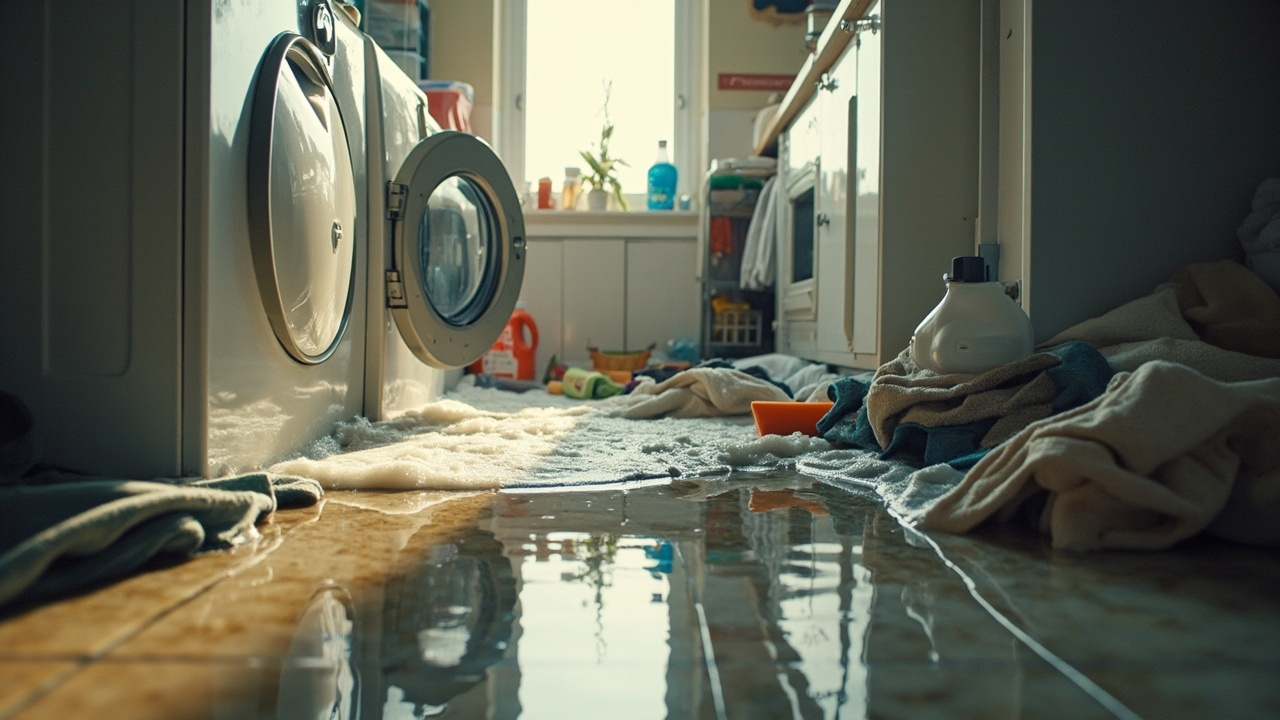
A washing machine overflow releases 15 to 30 gallons of water in minutes. That volume saturates baseboards, seeps under tile, and wicks into drywall faster than you can react. In Columbus, where many homes sit on expansive clay soil, that water creates a dual threat. The clay absorbs moisture and shifts, which can crack your foundation and create new pathways for water to migrate into crawl spaces or basements.

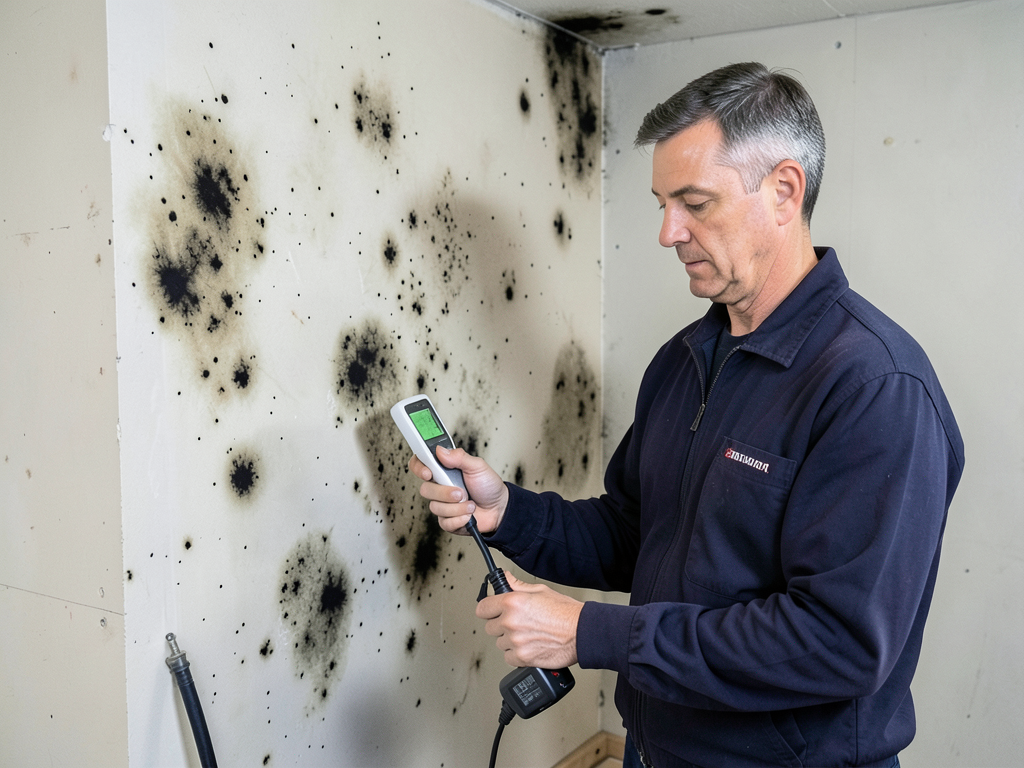
Columbus's humid subtropical climate compounds the problem. Ambient humidity stays high from May through September, which means saturated materials dry slowly. Wet wood, insulation, and subflooring become breeding grounds for mold spores within 48 hours. You may not see the mold, but you will smell it and breathe it.

Washing machine flood cleanup services must address the visible water and the hidden moisture trapped in wall cavities and under flooring. A surface cleanup leaves moisture behind. That moisture degrades structural integrity, rots subfloors, and creates ongoing air quality issues.

Time matters. Water spreads laterally through subflooring at roughly one foot per hour, depending on the material. If your washer overflowed while you were at work, you likely have water in multiple rooms by the time you get home. Delaying washer water damage restoration allows that spread to continue. The longer water sits, the more expensive the repair becomes.

Emergency washer flood remediation stops the cascade. Professional water extraction pulls moisture from porous materials and prevents secondary damage. You need immediate action, not an appointment three days out.

Why Washing Machine Overflows Cause Severe Damage in Columbus Homes
How Professional Laundry Machine Overflow Water Removal Works

How Professional Laundry Machine Overflow Water Removal Works

Five Star Water Damage Restoration Columbus uses truck-mounted extraction units that pull 100 gallons per minute. Portable extractors cannot match that volume. We deploy weighted extraction wands that compress carpet and padding, forcing trapped water into the vacuum stream. This process removes 95 percent of standing water in the first pass.

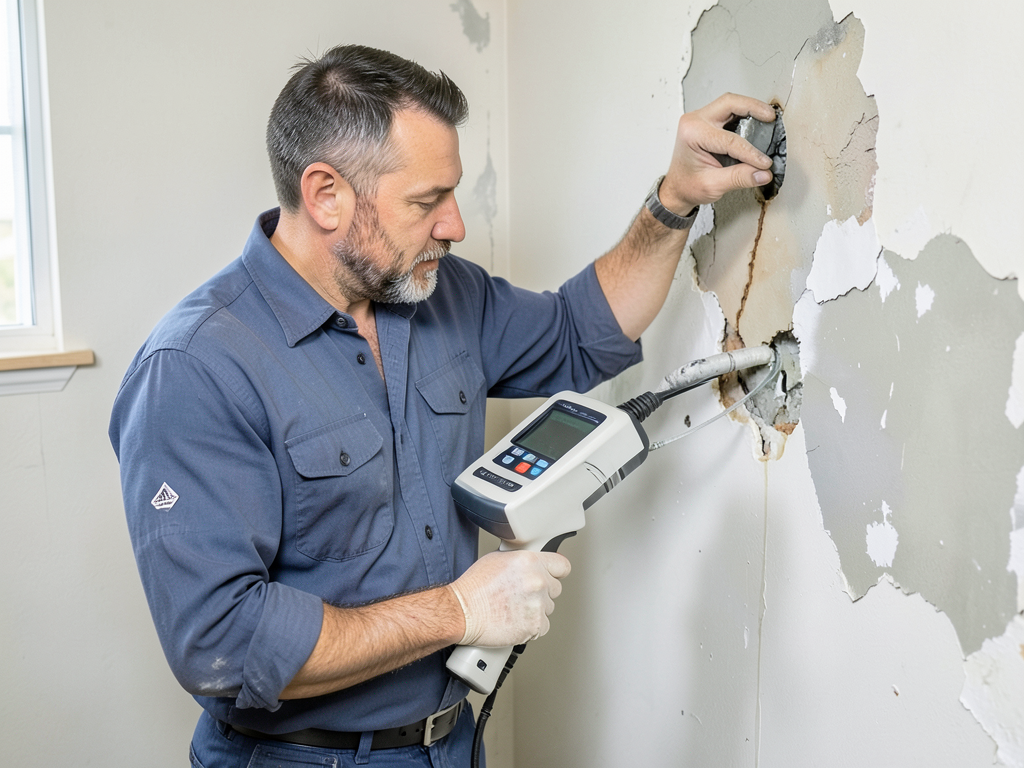
After extraction, we use thermal imaging cameras to map moisture distribution inside walls and under flooring. You cannot see this moisture with your eyes, but thermal imaging reveals temperature differentials that indicate trapped water. We mark affected areas and prioritize those zones for drying equipment placement.

Our air movers create a vortex drying pattern that accelerates evaporation. We position them at specific angles to direct airflow across wet surfaces and into wall cavities. Commercial-grade dehumidifiers pull moisture from the air and cycle it into drain lines. We adjust equipment placement every 12 hours based on moisture meter readings.

Washing machine leak water extraction also involves antimicrobial application. Washer water is Category 2 gray water. It contains detergent residue, lint, and biological contaminants from clothing. We apply EPA-registered antimicrobials to all affected surfaces to prevent bacterial growth and odor development.

We monitor moisture levels in structural materials using pin-type and pinless meters. Wood framing should read below 16 percent moisture content before we call the job complete. Drywall should read below 1 percent. We document these readings and provide them to your insurance adjuster.

The goal is not just to dry your home. The goal is to return materials to their pre-loss moisture content so structural integrity remains intact and mold cannot colonize.

What Happens During Emergency Washer Flood Cleanup

Emergency Washing Machine Overflow Cleanup in Columbus – 24/7 Response Stops Water Damage in 60 Minutes
01

Immediate Water Extraction

We arrive with truck-mounted extraction units and begin pulling water from flooring, carpet, and padding within minutes of arrival. Weighted extraction wands compress materials to force trapped water into the vacuum stream. We extract standing water first, then focus on moisture embedded in porous materials. This step removes 95 percent of the water volume and stops lateral spread into adjacent rooms.
02

Moisture Mapping and Assessment

Thermal imaging cameras reveal moisture hidden inside walls, under flooring, and in ceiling cavities. We map the full extent of water migration and document moisture levels using pin-type and pinless meters. This data guides equipment placement and helps your insurance adjuster understand the scope of damage. We identify materials that require removal versus materials that can be dried in place.
03

Drying and Restoration Completion

Air movers and dehumidifiers run continuously until moisture meters confirm materials have returned to pre-loss levels. We reposition equipment every 12 hours based on updated readings. Once structural drying is complete, we remove equipment and apply antimicrobial treatments to prevent bacterial growth. You receive documentation showing final moisture levels and confirmation that your home is safe for reconstruction or occupancy.

Why Columbus Homeowners Choose Five Star Water Damage Restoration Columbus for Washer Floods

Columbus building codes require proper ventilation and moisture control in occupied structures. When a washing machine overflow saturates your home, those codes become relevant. We understand local code requirements and work with city inspectors to ensure drying protocols meet compliance standards. That knowledge protects you if your insurance company questions the restoration scope.

We also understand Columbus's housing stock. Many homes in Clintonville, German Village, and Victorian Village were built before 1950. Those homes have plaster walls, hardwood subfloors, and horsehair insulation. Modern drying techniques designed for drywall and OSB subfloors do not work on these materials. We adjust our approach based on your home's construction and age.

Our crews live in Columbus. We know the difference between a ranch-style home in Hilltop and a two-story Victorian in Olde Towne East. We know which neighborhoods have basements and which have crawl spaces. We know that older homes near the Scioto River often have moisture issues even before a flood occurs. That local knowledge informs every decision we make during restoration.

Speed matters in emergency washer flood remediation. We dispatch crews from our Columbus facility within 60 minutes of your call. We do not send a crew from another city or schedule you three days out. We arrive fast because we are local.

Insurance companies trust us because we document everything. We provide moisture maps, daily progress photos, and detailed equipment logs. Your adjuster receives the data they need to approve the claim without delays. We handle the paperwork so you can focus on getting your life back to normal.

What You Can Expect During Washing Machine Overflow Cleanup

Response Time and Availability

We answer calls 24 hours a day, seven days a week, including holidays. A live person answers the phone, not a voicemail system. We dispatch a crew to your Columbus home within 60 minutes of your call. Our trucks carry extraction equipment, air movers, dehumidifiers, and moisture meters so we can begin work immediately upon arrival. You do not wait for equipment to arrive from another location. We bring everything needed to stop water damage and start the drying process on the first visit.

Initial Assessment and Scope

The first step is a thorough assessment using moisture meters and thermal imaging cameras. We identify all affected materials, including hidden moisture in walls, subfloors, and insulation. We explain what can be dried in place and what requires removal. You receive a written scope of work that outlines the drying plan, equipment placement, and estimated timeline. We answer your questions and walk you through the process so you understand what happens next. This assessment is documented and shared with your insurance adjuster.

Final Drying and Documentation

Drying typically takes three to five days, depending on the extent of water migration and materials affected. We monitor moisture levels daily and adjust equipment placement as needed. When moisture meters confirm materials have returned to pre-loss levels, we remove equipment and provide a certificate of completion. You receive final moisture readings, photos, and a summary of work performed. This documentation proves your home is dry and ready for any reconstruction work that may be needed.

Follow-Up and Prevention Guidance

We check back with you 30 days after equipment removal to confirm no new moisture issues have developed. If you notice any musty odors or new stains, we return to investigate at no charge. We also provide guidance on preventing future washer overflows, including recommendations for leak detection devices, proper hose replacement intervals, and drain pan installation. Our goal is to restore your home and help you avoid another flood. We remain available if questions arise after the job is complete.

Frequently Asked Questions

You Have Questions,
We Have Answers

How to clean a washing machine overflow pipe? +

Turn off water supply immediately. Disconnect the overflow pipe from the washing machine. Use a wet-dry vacuum to remove standing water inside the pipe. Pour hot water mixed with dish soap through the pipe to break up detergent buildup. Insert a plumber's snake or stiff wire brush to clear clogs. Flush with clean water. If water damage has reached your floors or walls in Columbus, call a water damage restoration professional within 24 hours to prevent mold growth. Columbus homes with finished basements are especially vulnerable to hidden moisture in drywall and subflooring.

Why are my clothes sopping wet after spin cycle? +

Your washer is not draining properly. Check for a clogged drain hose or pump filter filled with lint, coins, or debris. The drain pump may have failed. Verify the drain hose is not kinked or installed above 96 inches, which prevents proper siphoning. If clothes smell musty, water sat too long and mold spores are growing. Columbus humidity makes this worse. Remove soaked items immediately. If water pooled on your laundry room floor, act fast. Water seeps under flooring quickly, causing subfloor rot and mold within 48 hours.

How do you remove black mold from a washing machine rubber seal? +

Black mold on rubber seals requires immediate attention. Mix equal parts water and white vinegar. Spray the seal thoroughly and let sit for 10 minutes. Scrub with an old toothbrush, focusing on folds. For stubborn mold, use a paste of baking soda and water. Rinse completely. Dry with a towel. Leave the washer door open between loads to reduce Columbus humidity buildup. If mold has spread to walls or flooring, you need professional mold remediation. Airborne spores spread fast in damp basements common in older Columbus homes.

How to fix water overflow in washing machine? +

Shut off the water supply valve behind the washer immediately. Unplug the machine. Check if the drain hose is clogged, kinked, or disconnected. Inspect the inlet valve screens for sediment buildup. Columbus water can contain minerals that clog valves over time. If the tub overflows during fill, the pressure switch or water level sensor likely failed. Do not restart the machine. If water flooded your laundry room, extract it within hours. Drywall wicks moisture vertically. You need professional water extraction and drying equipment to prevent mold and structural damage.

Can I pour bleach down a washing machine drain pipe? +

Yes, but use caution. Pour one cup of bleach directly into an empty drum. Run a hot water cycle. Never pour bleach into the drain pipe while the machine is off. It can corrode pipes and damage seals. Bleach does not clear clogs. It kills bacteria and mold but will not dissolve lint, soap scum, or debris blocking your drain. If your drain is slow or backing up, use a plumber's snake. If bleach water overflowed onto floors, ventilate immediately. Bleach damages finished wood and can weaken subfloors in Columbus homes with older plumbing.

How to unclog an overflow tube washer? +

Disconnect power and water supply. Locate the overflow tube, usually inside the washer tub or attached to the drain pump. Remove any visible debris by hand. Use a plumber's snake or flexible drain auger to push through clogs. Detergent buildup and lint are common culprits. Flush the tube with hot water to confirm flow. Reconnect everything and test with a small load. If water damaged your floor during the overflow, check under the washer. Columbus homes built on concrete slabs can trap moisture, causing hidden mold growth you will not see without pulling up flooring.

Why isn't my washer spinning all the water out? +

The spin cycle removes water through centrifugal force. If clothes stay wet, the washer is not spinning fast enough or draining poorly. Check for an overloaded drum. Unbalanced loads trigger safety sensors that stop spinning. Inspect the drain pump and hose for clogs. A worn drive belt or faulty lid switch can also prevent spinning. If you hear grinding or the drum wobbles, the bearings may be failing. Do not ignore this. A catastrophic failure can flood your laundry room. Columbus basements flood easily due to high water tables in low-lying neighborhoods.

Why is my Maytag washer leaving clothes soaking wet? +

Maytag washers commonly experience drain pump failures or clogged drain filters. Check the filter at the bottom front panel. Remove lint, coins, and debris. Verify the drain hose is not clogged or elevated too high. If the washer hums but does not drain, the pump motor failed. Overloading stresses the motor and suspension. Columbus hard water accelerates mineral buildup in pumps. If water leaked onto your floor, act within 24 hours. Laminate and engineered wood flooring swells quickly. You need fans, dehumidifiers, and moisture meters to prevent permanent buckling.

Why are my clothes still wet after spin on my LG washer? +

LG front-loaders are sensitive to drain clogs and unbalanced loads. Check the drain pump filter located behind the small panel at the bottom front. Clean out debris. Verify you are using HE detergent. Regular detergent creates excess suds that confuse sensors and prevent proper draining. If the drum spins slowly or stops mid-cycle, the motor or control board may have failed. Do not let wet clothes sit. Mildew grows fast in Columbus humidity. If water leaked under the washer, pull it out. Water migrates along baseboards and into walls, causing hidden damage you will not notice until mold appears.

Can vinegar damage the washing machine seal? +

Distilled white vinegar is safe for washing machine seals when used correctly. Run one cup through an empty hot water cycle monthly to remove detergent buildup and odors. Do not soak rubber seals in undiluted vinegar for extended periods. Acidic solutions can dry out rubber over time, causing cracks. Never mix vinegar with bleach. This creates toxic chlorine gas. If your seal already shows cracks or leaks, replace it before running the washer again. Small leaks become big problems in Columbus homes with finished basements. Water spreads under tile and carpet padding fast.

Why Columbus's Clay Soil Makes Washing Machine Overflow Cleanup More Complex

Columbus sits on top of expansive clay soil that absorbs and retains moisture. When a washing machine overflow sends 20 gallons of water into your home, some of that water seeps through flooring and enters the soil beneath your foundation. The clay expands and contracts as it absorbs moisture, which creates movement in your foundation and can crack basement walls or shift slab foundations. Professional washing machine flood cleanup services address both the interior water and the moisture that migrates into the ground. We use exterior drainage assessment to determine if water has pooled near your foundation and recommend mitigation steps to prevent soil-related foundation damage.

Columbus building codes require specific moisture control standards for residential properties, particularly in flood-prone areas near the Scioto and Olentangy Rivers. Five Star Water Damage Restoration Columbus adheres to IICRC S500 standards for water damage restoration and maintains certifications recognized by local insurers and code enforcement officials. Our crews understand local construction methods, including the plaster-and-lath walls common in German Village and the pier-and-beam foundations found in older Clintonville homes. That local expertise ensures we apply the correct drying techniques for your home's specific construction. Choosing a local company means faster response times and restoration plans tailored to Columbus's unique housing and environmental challenges.
Water Damage Restoration Services in The Columbus Area

We proudly serve the wider Columbus area and its surrounding communities. Our centrally located office allows our emergency response teams to reach your property quickly, no matter where you are. We are committed to being a reliable resource for our neighbors, and our responsive team is always on standby to provide professional assistance when you need it most. We believe that local expertise and a quick response are crucial when dealing with water damage, so we encourage you to view our service area to see if we can help.

Address:
Five Star Water Damage Restoration Columbus, 601 N High St, Columbus, OH, 43215

Additional Services We Offer

Our news updates

Latest Articles & News from The Blogs

Dealing with water damage when you live in a Columbus HOA or condo association Water damage in a Columbus condo…

Dealing with water damage when you live in a Columbus HOA or condo association

Dealing with water damage when you live in a Columbus HOA or condo association Water damage in a Columbus condo…

The real difference between common mildew and dangerous black mold in Eastmoor homes

The real difference between common mildew and dangerous black mold in Eastmoor homes Eastmoor homeowners often spot dark patches in…

Testing your sump pump before the spring rains hit the South Side

Testing your sump pump before the spring rains hit the South Side \n\n Heavy spring rains combined with the clay-rich…

Contact Us

Every minute counts when water saturates your home. Call Five Star Water Damage Restoration Columbus at (614) 707-7505 right now. We answer 24/7 and dispatch crews in 60 minutes or less. Stop the damage before it becomes a total loss.