Menu

Water Bug & Pest Infestations in Columbus – Expert Moisture Control Stops Roaches at the Source

When water damage creates the perfect breeding ground for oriental cockroaches and sewer roaches, surface treatments fail. Our water damage restoration approach eliminates the moisture that attracts these pests and prevents future infestations.

Slider Image 1
Slider Image 2
Slider Image 3
Slider Image 4
Slider Image 5
Slider Image 7
Slider Image 8
Slider Image 9
Slider Image 10
Slider Image 11

Why Water Bugs Keep Coming Back After Water Damage

You sprayed. You called an exterminator. The water bugs disappeared for a week, then came back in larger numbers. The problem is not the roaches. The problem is the water damage creating a five-star hotel for moisture-related pest infestations.

Columbus sits in a humid continental climate zone where summer dew points regularly hit 70 degrees. When your basement floods from Scioto River backups or your crawlspace stays damp from poor drainage in Clintonville's clay soil, you create the ideal habitat for oriental cockroach problems. These pests do not infest dry homes. They colonize structures with persistent moisture issues.

Water damage roaches, specifically the American cockroach and oriental cockroach, require high humidity and standing water to survive. A slow slab leak in German Village, condensation buildup in a Bexley attic, or sewage backup in Franklinton provides everything these damp environment insects need. The females lay egg cases in wall voids near water sources. One female produces up to 16 egg cases in her lifetime. Each case contains 16 eggs. The math gets ugly fast.

Sewer roach infestations explode after pipe failures, washing machine overflows, or foundation cracks that allow groundwater seepage. The roaches enter through floor drains, pipe penetrations, and foundation gaps. They feed on organic debris in drain lines and multiply in the dark, damp spaces behind your walls. You see ten roaches in your kitchen. Two hundred live in your walls.

Pest control treats the symptom. Water damage restoration eliminates the cause.

Why Water Bugs Keep Coming Back After Water Damage
How We Eliminate the Water Source Attracting Roaches

How We Eliminate the Water Source Attracting Roaches

Killing visible roaches does nothing if you leave the water damage untouched. The next generation hatches in 45 days. Our approach removes the environmental conditions that allow water bugs to survive in your Columbus property.

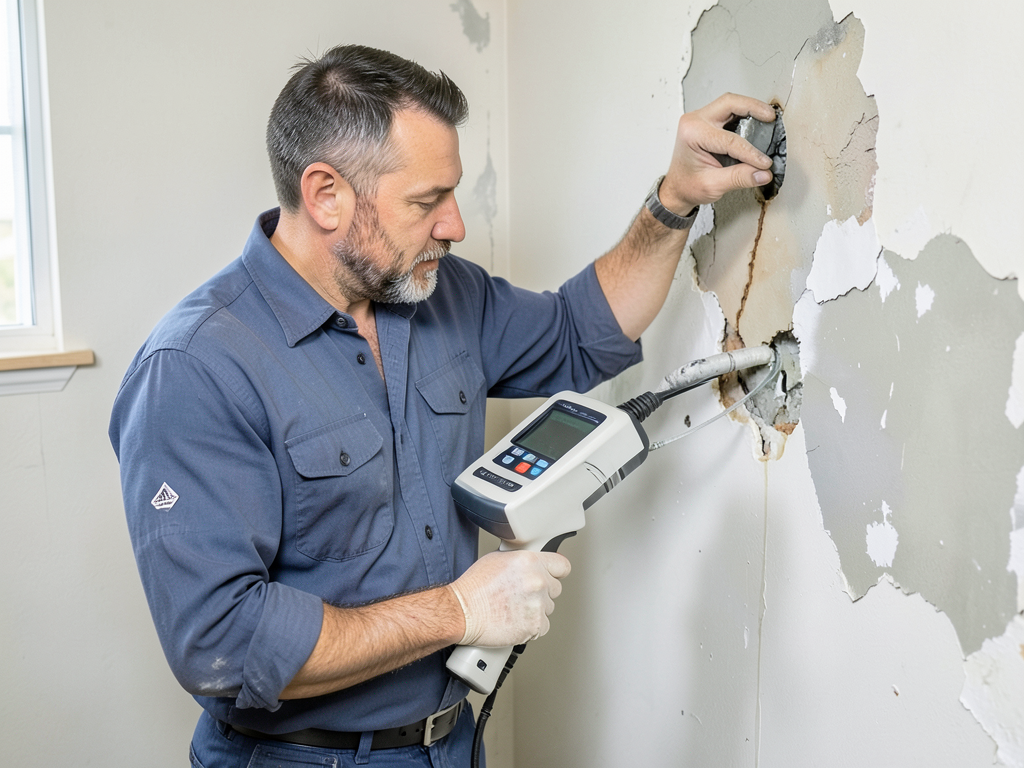
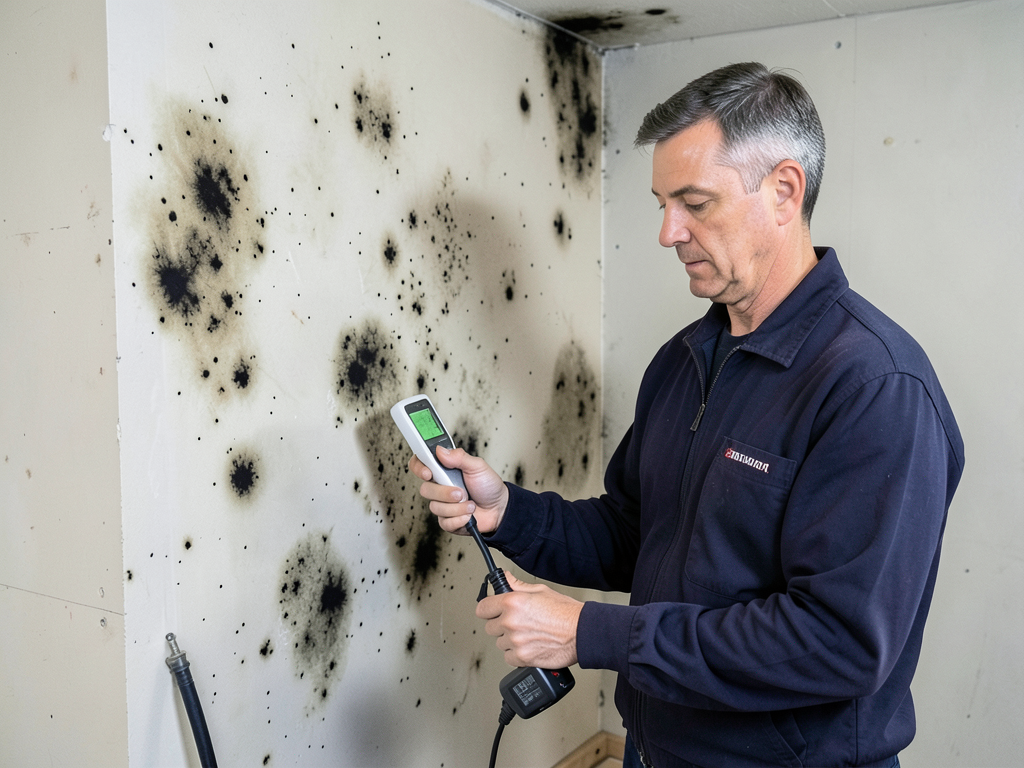
We start with thermal imaging and moisture mapping. FLIR cameras detect temperature differentials that indicate hidden water intrusion. Pin-type and non-invasive moisture meters measure water content in subflooring, drywall, and structural lumber. We track moisture levels down to specific wall cavities where roach colonies nest. You cannot treat what you cannot locate.

After identifying all moisture sources, we deploy industrial dehumidification and structural drying equipment. LGR dehumidifiers pull 150 pints per day from the air. Air movers create cross-flow ventilation that drives moisture from building materials. We monitor drying progress with daily moisture readings and infrared verification. The goal is reducing relative humidity below 50 percent and material moisture content below 15 percent. At these levels, oriental cockroaches cannot complete their life cycle.

For sewer roach infestations, we address the sanitary concerns first. Sewage contains pathogens that create health hazards beyond the pest problem. We remove contaminated materials, apply antimicrobial treatments to affected surfaces, and ensure proper sanitation before reconstruction begins. This eliminates both the disease risk and the organic material roaches feed on.

We also seal structural gaps that allow pest entry. Foundation cracks get epoxy injection. Pipe penetrations receive elastomeric sealant. Floor drains get trap primers or backflow preventers. The building envelope becomes roach-proof while the interior environment becomes inhospitable to moisture-dependent insects.

Our Three-Phase Approach to Stopping Water Bug Infestations

Water Bug & Pest Infestations in Columbus – Expert Moisture Control Stops Roaches at the Source
01

Moisture Source Identification

We use thermal imaging cameras and calibrated moisture meters to locate every water intrusion point in your Columbus property. This includes hidden leaks in crawlspaces, condensation in wall cavities, and groundwater seepage through foundation cracks. We map moisture levels throughout the structure and identify the specific areas where roaches nest and breed. You receive documentation showing exact moisture readings and affected zones.
02

Structural Drying and Dehumidification

We deploy commercial-grade dehumidifiers and air movement equipment to eliminate moisture from building materials and reduce ambient humidity below the threshold oriental cockroaches require. This phase continues until moisture meters confirm all affected materials reach safe dryness levels. We monitor progress daily and adjust equipment placement to target stubborn moisture pockets. The drying process removes the environmental conditions that sustain roach populations.
03

Permanent Moisture Control

We seal entry points, repair water intrusion sources, and implement drainage improvements to prevent future moisture problems. This includes foundation crack repair, sump pump installation, crawlspace encapsulation, and pipe penetration sealing. The goal is creating a permanently dry environment where water bugs cannot establish colonies. We verify the solution with final moisture readings and document all repairs for your records.

Why Columbus Properties Need Water Damage Specialists for Roach Problems

Pest control companies kill bugs. They do not fix the water damage that brought the bugs into your home. Five Star Water Damage Restoration Columbus addresses the root cause of moisture-related pest infestations by eliminating the environmental factors that allow roaches to thrive.

We understand Columbus-specific moisture challenges. The Scioto and Olentangy Rivers create high water tables in riverside neighborhoods like Franklinton and the Arena District. Spring flooding from these waterways drives groundwater into basements and crawlspaces. The city's clay-heavy soil retains water and creates hydrostatic pressure against foundation walls. Poor lot grading in older neighborhoods like Clintonville and Bexley directs rainwater toward structures instead of away from them.

These conditions require water damage expertise, not just pest control. We work with structural engineers and building inspectors who understand Columbus building codes and local construction methods. We know which German Village basements have chronic seepage issues due to 19th-century rubble foundations. We recognize the crawlspace ventilation problems common in post-war Westgate homes. We understand how Short North loft conversions sometimes lack proper moisture barriers in below-grade spaces.

Our certifications in water damage restoration mean we follow IICRC S500 standards for drying and decontamination. We document moisture levels with the same precision required for insurance claims and mold remediation. We coordinate with your insurance carrier and provide the technical documentation they require. This is not a service pest control companies offer.

When you eliminate moisture, you eliminate the roach problem permanently. We provide the structural solution that makes your Columbus property inhospitable to water bugs long-term.

What to Expect When You Call About a Roach Infestation

Same-Day Emergency Response

We dispatch technicians to Columbus properties within two hours of your call. Water damage and pest infestations both worsen with time. Every day you wait allows roach populations to grow and moisture to penetrate deeper into building materials. We operate 24 hours a day because water emergencies and the pest problems they cause do not wait for business hours. Our rapid response limits damage severity and reduces the scope of restoration work required. You get an onsite assessment the same day you discover the problem.

Comprehensive Moisture Assessment

Our technicians perform thermal imaging scans and moisture mapping throughout your property. We check all potential problem areas, including crawlspaces, basements, attics, wall cavities, and plumbing chases. We identify active leaks, past water damage, and high-humidity zones that attract roaches. You receive a detailed report showing moisture readings, thermal images, and photographs of affected areas. This assessment reveals problems you did not know existed and explains why roaches keep returning despite repeated pest control treatments. The evaluation takes 60 to 90 minutes depending on property size.

Documented Dry-Down Results

We provide daily moisture readings and photographic documentation throughout the drying process. You see exactly when each affected area reaches safe moisture levels. Our final report includes before-and-after moisture readings, equipment logs, and verification that relative humidity stays below 50 percent. This documentation proves the environmental conditions roaches need no longer exist in your Columbus home. You also receive this documentation for insurance claims if your water damage resulted from a covered peril like pipe failure or appliance malfunction.

Long-Term Moisture Prevention

After we dry your structure and complete repairs, we provide specific recommendations for preventing future moisture problems. This includes drainage improvements, vapor barrier installation, dehumidifier placement, and maintenance schedules for sump pumps and gutters. We explain which conditions in your specific Columbus neighborhood create recurring moisture risk. You get actionable steps that keep your property dry and roach-free long after we complete the restoration work. We also offer follow-up moisture inspections to verify your home maintains safe humidity levels through seasonal changes.

Frequently Asked Questions

You Have Questions,
We Have Answers

What causes water bugs in your house? +

Water bugs enter your house seeking moisture and food. Leaking pipes, dripping faucets, and standing water create the conditions these pests need. In Columbus, high humidity during summer months and basement moisture from Ohio's clay soil make homes attractive. Cracks in your foundation, gaps around utility lines, and damaged weatherstripping offer entry points. Poor drainage around your property pushes water bugs indoors. They feed on organic debris in drains, pet food left out, and crumbs. Fix leaks immediately, seal entry points, and eliminate moisture sources to stop attracting these pests into your Columbus home.

How do you know if you have a waterbug infestation? +

You spot water bugs themselves, usually at night when they emerge to feed. Look for dark droppings near baseboards, under sinks, and in bathrooms. A musty odor signals heavy infestation. Check behind appliances and in crawl spaces for shed exoskeletons. Water bugs leave smear marks along walls where they travel. Columbus homeowners often find them near sump pumps, laundry areas, and basement drains. Dead water bugs near windows or doors indicate an active problem. You may hear scurrying sounds in walls at night. Inspect damp areas first since moisture drives their presence in your home.

Can your house be infested with water bugs? +

Yes, your house can face serious water bug infestation. These pests reproduce quickly in favorable conditions. A single female can produce hundreds of offspring. Columbus homes with basement moisture, crawl space dampness, or plumbing issues create breeding grounds. Water bugs hide in wall voids, under flooring, and inside cabinets during the day. They spread throughout your home using plumbing chases and gaps in your structure. Infestations worsen without professional treatment because over-the-counter products miss hidden populations. The combination of Ohio humidity and older home construction in neighborhoods like German Village increases infestation risk. Act fast when you spot water bugs.

What do water bugs hate the most? +

Water bugs hate strong scents like peppermint oil, cedar, and bay leaves. They avoid dry environments since moisture is critical to survival. Bright light repels them because they are nocturnal. Cold temperatures below 45 degrees slow their activity. Boric acid and diatomaceous earth damage their exoskeletons. They dislike smooth surfaces they cannot climb. Clean surfaces without food residue deter them. In Columbus, reducing basement humidity through dehumidifiers makes your home less hospitable. However, repellents only push water bugs to new hiding spots. They do not eliminate the infestation. Professional treatment addresses the root problem and removes the population completely from your property.

How to permanently get rid of water bugs? +

Permanently removing water bugs requires eliminating moisture sources and sealing entry points. Fix all plumbing leaks and improve drainage around your Columbus foundation. Seal cracks in basement walls, gaps around pipes, and damaged weatherstripping. Remove standing water in crawl spaces and use dehumidifiers to maintain humidity below 50 percent. Professional treatment kills active populations in wall voids and hidden areas you cannot reach. Clean drains regularly and remove organic debris. Trim vegetation away from your foundation. Store firewood away from your house. Regular monitoring prevents reinfestation. Columbus clay soil creates drainage challenges, so grade your yard to direct water away from your home.

Does pouring bleach down the drain get rid of roaches? +

Bleach kills roaches on contact but does not eliminate an infestation. Pouring bleach down drains might kill a few insects in the pipe but misses the colony hiding in your walls, cabinets, and other areas. Bleach evaporates quickly and provides no residual protection. It damages your plumbing over time. Water bugs and roaches breed in inaccessible voids that drain treatments cannot reach. Columbus homeowners waste time on ineffective DIY solutions while populations grow. Professional treatment uses targeted products that reach breeding sites and eliminate entire colonies. Focus on removing moisture and food sources instead. Bleach offers false confidence without solving the real problem in your home.

What time of year are water bugs most active? +

Water bugs peak in activity during Columbus summers, from June through September. Warm temperatures and high humidity create ideal conditions. You see more water bugs during this period because they reproduce faster in heat. Spring rains in April and May drive them indoors seeking dry shelter. Fall brings another surge as dropping temperatures push them inside for warmth. In Columbus, basement flooding from storms increases water bug problems year-round. However, they remain active all year in heated homes with moisture issues. Winter only slows outdoor populations. Indoor infestations continue regardless of season if you have plumbing leaks or high humidity in your home.

How to find where water bugs are coming from? +

Track water bug movement at night using a flashlight. Follow them back to entry points like cracks in your foundation or gaps around pipes. Check where plumbing enters your Columbus home, especially in basements and crawl spaces. Inspect areas with water damage, mold, or musty odors. Look for droppings concentrated in specific zones, indicating nearby harborage. Water bugs often enter through floor drains, sump pump openings, and damaged window wells. Check exterior drainage issues that create moisture against your foundation. In older Columbus neighborhoods, deteriorating mortar and settling foundations create entry gaps. Professional inspection uses specialized tools to locate hidden access points you might miss.

What are signs of possible pest infestation? +

Droppings near baseboards, in cabinets, or under sinks signal pest presence. You smell musty or oily odors in specific rooms. Gnaw marks appear on food packaging, wires, or wood. You find shed skins, egg casings, or dead insects. Grease marks streak along walls where pests travel repeatedly. You hear scratching or scurrying sounds in walls at night. Live pest sightings during the day indicate heavy infestation since most are nocturean. Columbus homeowners notice increased activity near water sources like kitchens and bathrooms. Damage to stored items in basements or attics suggests nesting. Pet behavior changes when animals detect pests you have not yet noticed.

How Columbus's Clay Soil and River Proximity Drive Water Bug Problems

Columbus sits on Wisconsinan-age glacial till with heavy clay content that retains moisture and creates chronic drainage problems. When spring rains saturate the ground, hydrostatic pressure forces water through basement walls and floor slabs. Properties near the Scioto and Olentangy Rivers face additional risk from high water tables and periodic flooding. This persistent moisture creates ideal conditions for oriental cockroaches and American cockroaches that require damp environments. Neighborhoods built on floodplains like Franklinton and areas with poor lot grading see recurring water intrusion that sustains year-round roach populations. The problem intensifies in summer when humidity stays above 70 percent for weeks at a time.

Columbus building codes require specific moisture management in new construction, but many properties in German Village, Victorian Village, and Clintonville were built before modern waterproofing standards existed. These older homes need retrofit solutions that address both water intrusion and pest entry points. Five Star Water Damage Restoration Columbus understands the unique challenges of the city's housing stock and soil conditions. We work with local building inspectors and follow Franklin County code requirements for structural repairs. Our technicians know which Columbus neighborhoods face chronic water problems and which construction methods provide lasting moisture control in local soil conditions.
Water Damage Restoration Services in The Columbus Area

We proudly serve the wider Columbus area and its surrounding communities. Our centrally located office allows our emergency response teams to reach your property quickly, no matter where you are. We are committed to being a reliable resource for our neighbors, and our responsive team is always on standby to provide professional assistance when you need it most. We believe that local expertise and a quick response are crucial when dealing with water damage, so we encourage you to view our service area to see if we can help.

Address:
Five Star Water Damage Restoration Columbus, 601 N High St, Columbus, OH, 43215

Additional Services We Offer

Our news updates

Latest Articles & News from The Blogs

Dealing with water damage when you live in a Columbus HOA or condo association Water damage in a Columbus condo…

Dealing with water damage when you live in a Columbus HOA or condo association

Dealing with water damage when you live in a Columbus HOA or condo association Water damage in a Columbus condo…

The real difference between common mildew and dangerous black mold in Eastmoor homes

The real difference between common mildew and dangerous black mold in Eastmoor homes Eastmoor homeowners often spot dark patches in…

Testing your sump pump before the spring rains hit the South Side

Testing your sump pump before the spring rains hit the South Side \n\n Heavy spring rains combined with the clay-rich…

Contact Us

Pest control treats symptoms. Water damage restoration eliminates the cause. Call Five Star Water Damage Restoration Columbus at (614) 707-7505 for same-day moisture assessment and permanent roach elimination. We respond to Columbus properties 24 hours a day, seven days a week.