Menu

Water Damage Restoration in Columbus – Complete Remediation from Flood Cleanup to Structural Drying

Five Star Water Damage Restoration Columbus delivers full-spectrum water damage repair, from emergency water removal to anti-microbial treatment and humidity control, protecting Columbus homes and businesses from long-term structural decay and mold contamination.

Slider Image 1
Slider Image 2
Slider Image 3
Slider Image 4
Slider Image 5
Slider Image 7
Slider Image 8
Slider Image 9
Slider Image 10
Slider Image 11

Why Columbus Properties Face Persistent Water Damage Threats

Columbus sits at the convergence of the Scioto and Olentangy Rivers, making flood risk a recurring reality for properties in Franklinton, the Brewery District, and low-lying areas near Alum Creek. Spring storms dump heavy rainfall across central Ohio, overwhelming aging stormwater systems and basement sump pumps built before modern drainage standards. The region's clay-heavy soil compounds the problem. When saturated, clay expands and shifts, cracking foundation walls and creating pathways for groundwater intrusion.

Winter freeze-thaw cycles add another layer of risk. Pipes in crawlspaces and exterior walls freeze during January cold snaps, then burst when temperatures swing back above freezing. Older homes in German Village and Victorian Village often have galvanized steel pipes nearing the end of their lifespan, prone to pinhole leaks and catastrophic failures. Commercial buildings in the Short North and downtown face similar threats, with flat roofs holding standing water after heavy rain and HVAC condensate lines backing up during peak cooling season.

Water damage cleanup is not just about removing visible water. It requires addressing hidden moisture in wall cavities, under flooring, and inside ductwork. Without proper water damage remediation, structural wood remains damp, drywall wicks moisture upward, and mold colonies establish within 48 hours. Columbus's humid summers create ideal conditions for microbial growth once water intrusion occurs. Professional water damage mitigation stops this cascade before it becomes a health hazard and a financial disaster.

Why Columbus Properties Face Persistent Water Damage Threats
How Professional Water Damage Restoration Protects Structural Integrity

How Professional Water Damage Restoration Protects Structural Integrity

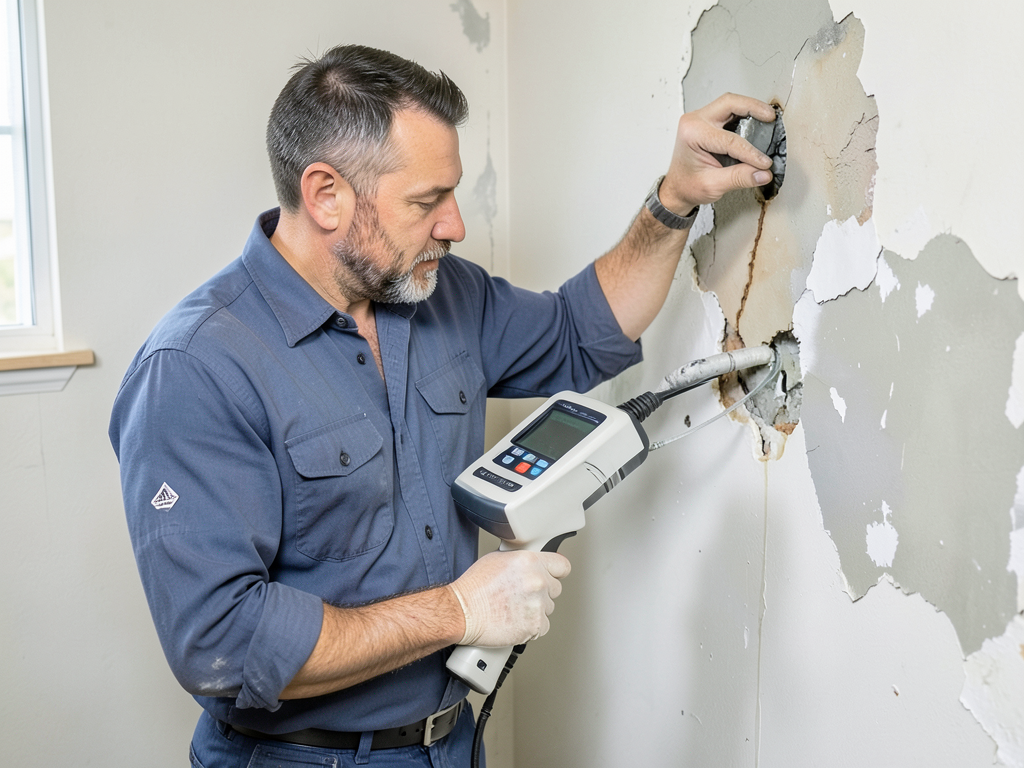
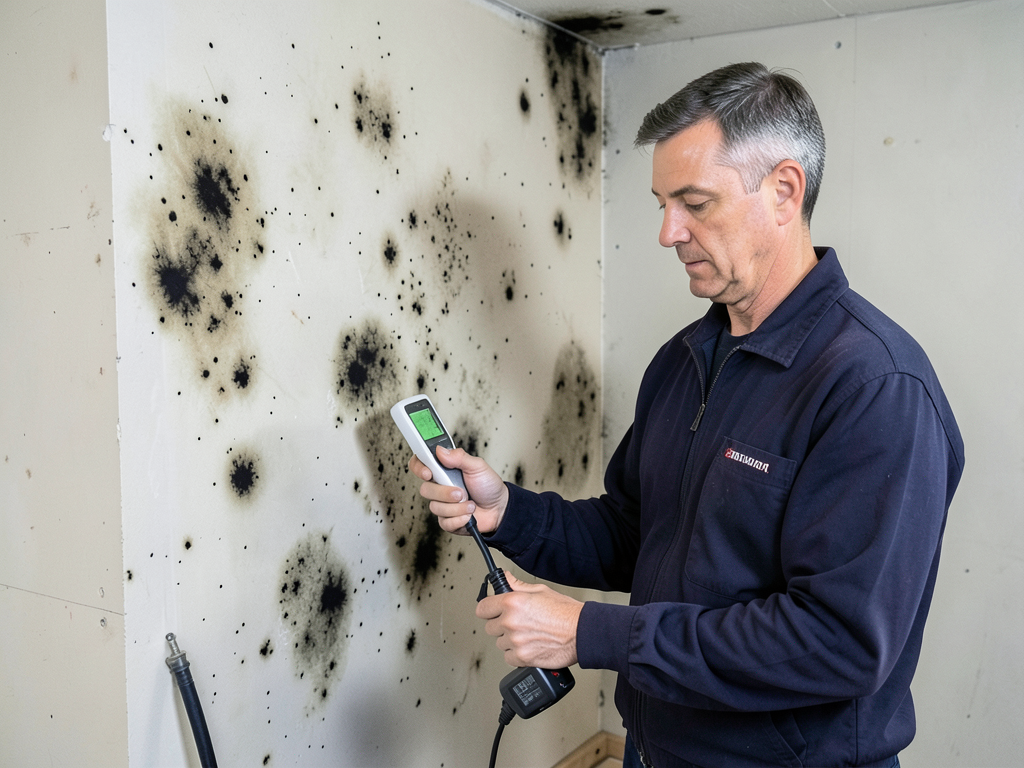
Effective water damage restoration begins with moisture mapping using thermal imaging cameras and pin-type moisture meters. Technicians measure moisture content in drywall, subflooring, and framing lumber to identify saturation patterns invisible to the naked eye. This diagnostic phase determines extraction strategy and drying equipment placement.

Truck-mounted extractors remove standing water at rates exceeding 150 gallons per minute, far surpassing shop vacuums and mops. For Category 2 and Category 3 water (contaminated sources like washing machine overflows or sewage backups), antimicrobial agents are applied to affected surfaces before extraction to neutralize pathogens.

Once bulk water is removed, the focus shifts to structural drying. Commercial-grade air movers create high-velocity airflow across wet surfaces, accelerating evaporation. Low-grain refrigerant (LGR) dehumidifiers pull moisture from the air, maintaining optimal vapor pressure gradients that draw moisture out of building materials. Technicians monitor daily moisture readings and adjust equipment as materials dry, ensuring wood framing returns to equilibrium moisture content (typically 12-15% in Ohio).

Water removal services also include cavity drying for wall assemblies. Small holes are drilled in baseboards, and heated air is injected into wall cavities to dry insulation and studs from the inside out. Without this step, hidden moisture leads to wood rot, nail pops, and mold amplification within closed spaces. Five Star Water Damage Restoration Columbus follows IICRC S500 standards, ensuring every phase meets industry benchmarks for proper water damage repair and long-term building health.

What Happens During Emergency Water Damage Response

Water Damage Restoration in Columbus – Complete Remediation from Flood Cleanup to Structural Drying
01

Initial Assessment and Containment

Technicians arrive within 60 minutes for emergency calls, conducting a room-by-room inspection to identify water source, contamination level, and affected materials. Electrical power to wet areas is shut off to prevent shock hazards. Water supply lines are isolated if the source is active. Plastic sheeting and temporary barriers contain the affected zone, preventing cross-contamination to dry areas. Moisture readings are documented with photographs to establish baseline conditions for insurance claims and drying verification.
02

Water Extraction and Debris Removal

Submersible pumps and truck-mounted extractors remove standing water from basements, crawlspaces, and flooded living spaces. Carpets are lifted and padding is removed if saturated beyond salvage thresholds. Non-salvageable materials like soaked drywall below the two-foot line and collapsed ceiling tiles are bagged and removed to accelerate drying and reduce microbial load. Hardwood flooring is inspected for cupping and delamination. Contents like furniture and electronics are moved to dry areas or packed out for off-site restoration.
03

Structural Drying and Verification

Air movers and dehumidifiers run continuously, with technicians returning daily to record moisture levels and adjust equipment. Drying typically takes three to five days depending on material type and saturation depth. Once moisture readings reach dry standards (below 15% for wood, below 1% for concrete), equipment is removed. A final moisture map is generated and provided to the property owner and insurance adjuster. Anti-microbial fogging is applied to prevent mold spore activation, and HVAC systems are inspected for duct contamination before restoration begins.

Why Columbus Property Owners Choose Local Water Damage Specialists

Five Star Water Damage Restoration Columbus operates with an intimate understanding of central Ohio construction methods and regional water intrusion patterns. Technicians know that homes built in the 1920s through 1940s in Clintonville and Bexley often have stone foundations with lime mortar joints that erode over time, creating seepage points during heavy rain. They recognize that post-war ranch homes in Whitehall and Reynoldsburg frequently have slab-on-grade construction with no basement, making under-slab leaks from corroded copper lines a common failure mode.

Local expertise extends to navigating Columbus building codes and permit requirements. Water damage cleanup involving structural repairs, electrical work, or plumbing modifications often triggers permit obligations. Technicians coordinate with city inspectors and ensure all restoration work meets Ohio Building Code (OBC) standards, preventing compliance issues that delay occupancy or void insurance coverage.

Insurance claims also benefit from local knowledge. Adjusters in the Columbus market have specific documentation expectations, particularly for older homes with policy limitations on water damage coverage. Detailed moisture mapping, photographic evidence, and material inventories streamline the claims process and reduce disputes over scope and necessity. Five Star works directly with major carriers like Nationwide (headquartered in Columbus), State Farm, and Allstate, submitting documentation in formats adjusters prefer.

Response time matters during water emergencies. A local provider reaches flooded basements in Hilliard or burst pipes in Gahanna in under an hour, not three hours from a regional franchise hub in Cincinnati or Cleveland. Speed reduces damage severity, lowers restoration costs, and improves salvage rates for building materials and personal property.

What Columbus Property Owners Can Expect During Water Damage Restoration

Rapid Dispatch and 24/7 Availability

Emergency water damage calls receive immediate response, day or night, including weekends and holidays. Technicians carry extraction equipment, moisture meters, and temporary power supplies in service vehicles, enabling on-site work to begin the moment they arrive. For after-hours emergencies, a live dispatcher coordinates the response, not an answering service or voicemail system. This eliminates delays that allow water to migrate into additional rooms or penetrate deeper into structural assemblies. Property owners receive a detailed timeline within the first hour, outlining extraction, drying, and restoration phases so expectations are clear from the start.

Comprehensive Moisture Assessment and Monitoring

Thermal imaging reveals temperature differentials that indicate hidden moisture behind walls and under flooring. Pin-type and non-invasive moisture meters measure water content in drywall, wood, and concrete, establishing a moisture profile for the entire affected area. Technicians create a written moisture map noting exact readings by location, which is updated daily as drying progresses. This data-driven approach eliminates guesswork and ensures materials reach acceptable dryness before equipment is removed. Property owners receive copies of all readings, providing documentation for insurance claims and proof that restoration was completed to professional standards, not abbreviated to save labor costs.

Complete Structural Drying and Sanitization

Drying equipment remains on-site until moisture levels return to normal ranges, typically three to five days depending on material type and initial saturation. Air movers and dehumidifiers are positioned using psychrometric principles, optimizing airflow and humidity control to accelerate evaporation without over-drying or damaging materials. Antimicrobial treatments are applied to all affected surfaces, particularly in Category 2 or Category 3 water events, to prevent mold colonization and bacterial growth. HEPA filtration removes airborne spore fragments during drying, protecting indoor air quality. The final result is a structure returned to pre-loss moisture conditions, verified by objective measurements, not visual inspection alone.

Post-Restoration Support and Prevention Guidance

Once drying is verified complete, technicians provide a detailed report documenting all work performed, moisture readings, and antimicrobial applications. Property owners receive recommendations for preventing future water intrusion, including sump pump maintenance, gutter cleaning schedules, and plumbing inspections. If reconstruction is needed (drywall replacement, flooring reinstallation, trim work), Five Star coordinates with licensed contractors or handles the rebuild in-house, eliminating the need to manage multiple vendors. Follow-up moisture checks are available at no charge within 30 days to confirm the structure remains dry and no secondary moisture issues have developed. This continuity of care ensures property owners are not abandoned once equipment is picked up.

Frequently Asked Questions

You Have Questions,
We Have Answers

How much does water damage remediation cost? +

Water damage restoration costs in Columbus vary based on the severity and source. Minor leaks affecting a single room might run a few hundred dollars, while basement floods or sewage backups can escalate quickly due to structural drying, mold remediation, and content restoration. Factors include water category (clean, gray, or black), affected square footage, and material replacement needs. Columbus homes with finished basements or older plumbing face higher risks. Most reputable companies offer free inspections to assess damage and provide transparent estimates. Your insurance policy often covers sudden and accidental water damage, which can significantly offset out-of-pocket costs.

Can water damage be repaired? +

Yes, most water damage can be repaired if addressed quickly. The key is speed. Within 24 to 48 hours, professional extraction, drying, and dehumidification can salvage carpets, drywall, and hardwood flooring. Columbus humidity makes rapid response critical to prevent mold growth. Structural elements like joists and subflooring often dry successfully with commercial-grade equipment. However, porous materials soaked for extended periods or contaminated by sewage require removal. Electronics and documents need specialized restoration. The longer water sits, the more permanent the damage becomes. Fast action protects your home and keeps restoration costs manageable.

Is water damage restoration worth it? +

Water damage restoration is absolutely worth it. Ignoring water intrusion leads to mold growth, structural rot, and plummeting property value. Columbus homes, especially those near the Scioto River or Olentangy River, face flood risks that demand professional drying. DIY methods miss hidden moisture in wall cavities and subfloors, creating long-term problems. Professional restoration prevents health hazards, preserves your investment, and often costs less than deferred damage repairs. Insurance typically covers sudden water events, making professional service financially smart. Protecting your family's health and your home's integrity far outweighs the initial expense.

Is water damage restoration covered by homeowners insurance? +

Most homeowners insurance policies in Columbus cover water damage restoration, but coverage depends on the cause. Sudden and accidental events like burst pipes, appliance malfunctions, or storm-related roof leaks typically qualify. However, policies exclude gradual damage from neglect, such as slow leaks or lack of maintenance. Flood damage requires separate flood insurance, which matters for Columbus properties in FEMA zones near rivers. Sewage backups may need an endorsement. Review your policy declarations page and contact your agent immediately after discovering damage. Document everything with photos. Professional restoration companies help navigate claims and communicate directly with adjusters.

Will insurance pay out for water damage? +

Insurance will pay for water damage if the cause falls under your policy's covered perils. Covered events include sudden pipe bursts, ice dam leaks, appliance failures, and storm damage to roofs. Columbus homeowners should verify coverage for sewer backups and sump pump failures, as these require separate endorsements. Insurers deny claims for gradual damage, poor maintenance, or flooding without flood insurance. File your claim immediately, document all damage with photos, and stop further deterioration by shutting off water sources. Professional restoration companies work with adjusters daily and help maximize your settlement by providing detailed documentation and scope reports.

How much will insurance cover for water damage? +

Insurance coverage for water damage varies by policy limits, deductibles, and cause. Your dwelling coverage typically covers structural repairs, while personal property coverage handles belongings. Columbus homeowners should review replacement cost versus actual cash value policies, as depreciation affects payouts. Insurers cover reasonable and necessary restoration costs, including extraction, drying, antimicrobial treatment, and repairs. High-limit policies may cover temporary housing during restoration. Deductibles range from 500 to 2,500 dollars or more. Coverage caps depend on your policy. A professional restoration company provides detailed estimates that help your adjuster determine fair compensation and prevent underpayment.

What not to do after water damage? +

Do not delay calling professionals after water damage. Waiting allows mold to colonize within 24 to 48 hours, especially in Columbus humidity. Do not use household vacuums on standing water, as electrical shock and equipment damage occur. Avoid entering flooded areas with electricity still on. Do not overlook hidden moisture in wall cavities, which causes long-term rot. Do not dispose of damaged items before documenting them for insurance. Do not attempt DIY drying without commercial dehumidifiers, as surface drying masks deeper moisture. Quick, professional intervention prevents compounding damage and protects your claim.

Why is water damage so expensive? +

Water damage restoration costs reflect the complexity and equipment required. Commercial-grade extractors, dehumidifiers, air movers, and moisture meters are expensive to operate and maintain. Labor costs include certified technicians working extended hours, often 24/7 for emergencies. Columbus homes with finished basements or hardwood floors require careful, time-intensive drying to prevent warping. Water categories matter. Clean water is cheaper to remediate than sewage, which demands hazmat protocols and disposal fees. Structural drying takes days, not hours. Hidden moisture detection requires thermal imaging. Material replacement, mold remediation, and content restoration add costs. Professional restoration prevents far costlier long-term damage.

What kills mold from water damage? +

Professional-grade antimicrobial solutions and EPA-registered biocides kill mold from water damage. However, surface cleaning alone does not solve mold problems. Columbus humidity requires addressing the moisture source first. Professionals use HEPA filtration, containment barriers, and controlled demolition to remove mold-infested materials like drywall and insulation. Structural elements get treated with antimicrobials, then thoroughly dried. Bleach kills surface mold but does not penetrate porous materials and can damage surfaces. DIY mold removal often spreads spores and misses hidden growth. Certified mold remediation follows IICRC standards, ensuring complete removal and preventing recurrence through proper drying and dehumidification.

How to tell if water damage is permanent? +

Permanent water damage shows through warped flooring, sagging ceilings, peeling paint, persistent musty odors, and visible mold growth. Columbus homes with prolonged water exposure develop buckled hardwood, delaminated plywood, and crumbling drywall. Stains that remain after drying indicate deep penetration. Soft or spongy spots in floors and walls signal structural rot. Swollen door frames that no longer close properly suggest moisture absorption. If materials stayed wet beyond 48 hours without professional drying, replacement often becomes necessary. Early professional intervention with moisture meters and thermal imaging identifies damage severity before it becomes permanent and costly.

How Columbus's River Proximity and Clay Soil Amplify Water Damage Risks

Columbus's location at the confluence of the Scioto and Olentangy Rivers creates elevated flood risk for properties in floodplains and near tributary streams like Alum Creek and Big Walnut Creek. FEMA flood maps designate portions of Franklinton, the Bottoms, and areas near Griggs Reservoir as high-risk zones, yet many older homes predate modern flood mitigation infrastructure. Clay-heavy soil throughout Franklin County expands when wet and contracts when dry, exerting lateral pressure on foundation walls and creating hairline cracks that become water entry points during spring thaw or summer downpours. Water damage mitigation in Columbus must account for these geological realities, addressing both acute flooding events and chronic groundwater seepage common in properties with older French drain systems or failing foundation waterproofing.

Five Star Water Damage Restoration Columbus operates under Ohio's building codes and licensing requirements, ensuring all restoration work meets state standards for structural safety and habitability. Technicians understand local insurance claim procedures, particularly for properties covered by the National Flood Insurance Program (NFIP) through FEMA, which has specific documentation and timeline requirements distinct from standard homeowner policies. Choosing a Columbus-based provider means working with technicians who recognize the difference between a slab leak in a Westerville subdivision and a crawlspace flood in a Grandview Heights bungalow, tailoring water removal services and drying strategies to the specific construction type and damage scenario. Local expertise translates to faster, more accurate restoration and fewer disputes with adjusters unfamiliar with central Ohio building practices.
Water Damage Restoration Services in The Columbus Area

We proudly serve the wider Columbus area and its surrounding communities. Our centrally located office allows our emergency response teams to reach your property quickly, no matter where you are. We are committed to being a reliable resource for our neighbors, and our responsive team is always on standby to provide professional assistance when you need it most. We believe that local expertise and a quick response are crucial when dealing with water damage, so we encourage you to view our service area to see if we can help.

Address:
Five Star Water Damage Restoration Columbus, 601 N High St, Columbus, OH, 43215

Additional Services We Offer

Our news updates

Latest Articles & News from The Blogs

Dealing with water damage when you live in a Columbus HOA or condo association Water damage in a Columbus condo…

Dealing with water damage when you live in a Columbus HOA or condo association

Dealing with water damage when you live in a Columbus HOA or condo association Water damage in a Columbus condo…

The real difference between common mildew and dangerous black mold in Eastmoor homes

The real difference between common mildew and dangerous black mold in Eastmoor homes Eastmoor homeowners often spot dark patches in…

Testing your sump pump before the spring rains hit the South Side

Testing your sump pump before the spring rains hit the South Side \n\n Heavy spring rains combined with the clay-rich…

Contact Us

Water damage spreads fast. Every hour increases restoration costs and mold risk. Call Five Star Water Damage Restoration Columbus now at (614) 707-7505 for immediate dispatch. Technicians are standing by 24/7 to extract water, dry your property, and prevent long-term structural damage.