


Bexley sits in the Scioto River floodplain, where clay soil and aging infrastructure create perfect conditions for water intrusion. Homes near Jeffrey Mansion and throughout the Capital University area were built between 1920 and 1950, featuring limestone foundations that absorb moisture during Ohio's freeze-thaw cycles. When temperatures drop below freezing in January and February, then spike to 50 degrees within days, pipes burst in crawl spaces and attics across neighborhoods like Montrose and Maryland Avenue.
The Alum Creek watershed drains directly through eastern Bexley, and heavy spring rains overwhelm storm sewers built for smaller populations. Basements in the Drexel area flood when street drains back up during thunderstorms that dump two inches in an hour. Older homes near Main Street have cast iron sewer lines that crack and leak, allowing groundwater to seep through foundation walls.
Winter ice dams form on slate and tile roofs common to Bexley architecture, forcing meltwater under shingles and into wall cavities. By the time you see ceiling stains, moisture has been feeding mold growth for weeks. Columbus clay soil expands when wet, pushing against foundation walls until hydrostatic pressure forces water through microscopic cracks.
We opened our doors serving Franklin County in 2015, responding to basement floods in Bexley while national franchises were routing calls to call centers three states away. Our technicians live in Columbus, know which neighborhoods flood during heavy rain, and arrive at your Parkview Avenue home in under an hour because we stage equipment locally, not in a regional warehouse.
Every restoration starts with thermal imaging to map moisture you cannot see. We document wall cavity saturation, subfloor damage, and insulation compromise before extraction begins. Insurance adjusters know our reports hold up because we follow IICRC S500 standards for water damage restoration, and our moisture mapping prevents disputes over scope.
You get a project manager's cell phone number, not a customer service queue. When we extract water from your Berwick Road basement at 2 AM, the same person answers your questions at 9 AM about drying progress. We pull permits for structural repairs, coordinate with your plumber to fix the source, and return your home to pre-loss condition while managing the entire insurance claim.
Other companies extract water and leave. We stay until moisture meters confirm your structure is dry, typically 3-5 days depending on materials and saturation levels. Our equipment runs 24/7 with remote monitoring, so we know if a dehumidifier stops working before you do. Mold needs 48 hours to colonize damp materials. We make sure it never gets the chance.

Water spreads 50 square feet per hour through carpet and drywall. We dispatch from our Columbus facility within 15 minutes of your call and arrive at Bexley addresses in under 60 minutes, equipped with truck-mounted extraction units that pull 200 gallons per hour from flooded basements.

We photograph damage, document moisture levels, and submit estimates directly to your insurance carrier. You pay your deductible. We handle the paperwork, follow up on approvals, and get checks issued while you focus on getting your family back to normal.
Our team holds Water Restoration Technician and Applied Structural Drying certifications from the Institute of Inspection, Cleaning and Restoration Certification. We follow science-based drying protocols, not guesswork. Every technician trains on psychrometry, the physics of drying building materials efficiently.
We have restored water damage in 200+ Bexley homes and know how moisture behaves in plaster walls, hardwood floors over crawl spaces, and limestone foundations. Your 1930s Tudor needs different drying strategies than a 1990s ranch. We adjust equipment placement and airflow based on your home's construction.
Water damage restoration is not one service. It is a coordinated response that changes based on contamination level, affected materials, and how long water has been present. Five Star Water Damage Restoration Columbus provides emergency extraction, structural drying, contamination remediation, and full reconstruction under one contract. You make one phone call, and we manage every phase until your certificate of occupancy is signed.
We extract standing water first, pulling it from carpet, pad, and subfloors before it wicks into wall cavities. Then we place air movers and dehumidifiers in a configuration that creates airflow across wet surfaces, measured in cubic feet per minute. Structural drying takes 3-7 days depending on materials and saturation depth. We monitor daily with moisture meters and adjust equipment to speed evaporation.
If water came from a sewer backup or toilet overflow, we treat it as Category 3 contaminated water requiring antimicrobial treatment and disposal of porous materials like drywall and insulation. Clean water from a supply line break is Category 1, allowing us to dry materials in place. The category determines the scope, and we test rather than guess. Once structures are dry and decontaminated, we rebuild what was removed, matching finishes to existing conditions.
Standing water destroys flooring, wicks into drywall, and saturates insulation within hours. We arrive with truck-mounted extractors pulling 200 gallons per hour and portable units for second floors and tight spaces. Thermal imaging identifies moisture hidden in wall cavities and under cabinets. We remove soaked materials that cannot be saved, document loss for insurance, and start drying equipment before water spreads to unaffected rooms.
Removing standing water is step one. Drying the structure to prevent mold takes precision. We place commercial dehumidifiers that pull 150 pints per day and position air movers to create evaporation across wet surfaces. Moisture meters track progress in wood framing, subfloors, and drywall. We adjust equipment daily based on readings, not timelines. Your home is dry when psychrometric measurements confirm it, typically 3-5 days for minor floods and up to two weeks for major saturation.
Once structures are dry and treated, we rebuild what was removed. Drywall goes back up, insulation is replaced, and flooring is reinstalled to match existing finishes. We work with your insurance adjuster to include upgrades where code requires them, like GFCI outlets or mold-resistant drywall in bathrooms. Our carpenters match crown molding profiles and hardwood species common to Bexley homes built in the 1920s through 1940s. You get a certificate of completion for your records.
Bexley's housing stock, aging infrastructure, and clay soil create predictable failure points. Homes near Alum Creek see sump pump failures during spring storms when water tables rise above basement floors. Neighborhoods with mature tree canopies like Parkview and Drexel deal with root intrusion in sewer laterals, causing backups during heavy rain. Freeze-thaw cycles crack copper pipes in unheated attics and crawl spaces, flooding finished spaces below.
We respond to these failures daily across Franklin County. The difference between minor damage and total loss is response time. Water wicks vertically through drywall at one inch per hour and spreads horizontally across subflooring even faster. Waiting 24 hours to call turns a $3,000 extraction into a $15,000 gut-and-rebuild because mold colonies establish in 48 hours. Insurance companies deny claims when delays cause secondary damage, meaning you pay out of pocket for problems that could have been prevented with immediate response.
Ohio winters swing between 15 degrees and 50 degrees in the same week. Pipes in exterior walls and unheated attics freeze solid, then burst when ice expands. You discover the break when temperatures rise and water floods finished spaces. We shut off supply lines, extract water, and dry wall cavities before mold starts.
Heavy rain overwhelms combined sewer systems in older Bexley neighborhoods. When street drains back up, sewage enters basements through floor drains and toilet connections. This is Category 3 contaminated water requiring antimicrobial treatment and disposal of affected materials. We extract, decontaminate, and rebuild while coordinating with the city on line repairs.
Bexley sits above a high water table that rises during spring storms. Sump pumps run constantly to keep basements dry. When pumps fail from age or power outages, water floods finished basements within hours. We extract standing water, dry carpet and drywall, and recommend battery backup systems to prevent repeat flooding.
Ice dams, aging flashing, and storm damage allow water to enter attics and wall cavities. You see ceiling stains weeks after the leak started, meaning insulation and framing are already saturated. We use thermal imaging to map moisture paths, dry hidden cavities, and coordinate with roofers to fix the source before rebuilding interior damage.
Water damage is chaos. Your basement is underwater, your family is displaced, and you need answers now. When you call Five Star Water Damage Restoration Columbus, you get a trained dispatcher who asks specific questions about water source, affected areas, and safety concerns. We send a crew within 15 minutes, arriving at your Bexley home in under an hour with extraction equipment already loaded.
Your project manager walks the property with you, explains what needs to happen, and starts mitigation immediately. No waiting for estimates or approvals to begin emergency services. We extract water, move furniture to dry areas, and document damage with photos and moisture readings. You receive a written scope within 24 hours, emailed directly to your insurance company with our contractor license and liability certificate.
Communication happens daily. Your project manager texts photos of moisture meter readings, explains drying progress, and answers questions without making you call an 800 number. Equipment runs continuously with remote monitoring, so we know if humidity levels spike overnight. When structures are dry and rebuilt, you get a completion certificate and warranty documentation for your records.
You call our emergency line at (614) 707-7505. A dispatcher answers, not a voicemail system. We ask about water source, affected areas, and whether anyone is in danger. A two-person crew leaves our facility within 15 minutes, arriving at Bexley addresses in under 60 minutes with truck-mounted extractors and portable air movers already staged. We start work immediately, billing insurance directly so you pay nothing upfront except your deductible.
Drying is not guesswork. We measure moisture content in affected materials twice daily using pin-type and non-invasive meters. Your project manager texts you readings and photos showing progress. If humidity levels stay elevated, we add dehumidification capacity or adjust air mover placement. You know exactly when your home will be dry enough for reconstruction, typically 3-5 days for minor flooding and 7-14 days for major saturation.
We photograph damage before we touch anything, document pre-existing conditions, and measure affected square footage room by room. Estimates go directly to your insurance adjuster with line-item pricing and IICRC drying standards. We handle supplement negotiations when hidden damage appears during demolition. You get copies of every invoice, change order, and completion certificate for your permanent records and future home sales.
Water damage restoration follows a predictable sequence based on physics and microbiology. We assess contamination level, extract standing water, dry affected structures, treat for microbial growth, and rebuild. Skipping steps or rushing timelines creates mold problems and insurance disputes.
You call (614) 707-7505 and describe the situation. We dispatch a crew immediately and arrive within 60 minutes. Our project manager inspects damage, identifies water category, and measures moisture content in walls, floors, and ceilings using thermal imaging and probe meters. We photograph everything, map affected areas, and explain the scope before starting work. Safety hazards like electrical exposure or structural instability are addressed first.
Truck-mounted extractors remove standing water from carpet, tile, and concrete at 200 gallons per hour. Portable units handle second floors and tight spaces. We remove unsalvageable materials like soaked drywall and insulation, then place dehumidifiers and air movers in a configuration that maximizes evaporation. Equipment runs 24/7 with daily moisture monitoring. Drying continues until psychrometric measurements confirm structures have returned to normal moisture content.
Once structures are dry and treated, we rebuild removed materials to match existing finishes. Drywall, insulation, trim, and flooring are replaced to pre-loss condition. Paint is matched using spectrophotometry. We pull permits where required, schedule inspections, and provide warranty documentation. Your project manager conducts a final walkthrough, confirms your satisfaction, and closes the insurance claim with completion certificates.
Effective water damage restoration requires understanding psychrometrics, the science of air and moisture interaction. Ohio's climate creates challenges. Summer humidity reaches 80%, slowing evaporation. Winter heating systems pull moisture from materials too quickly, causing hardwood floors to crack. We adjust drying strategies based on ambient conditions, material types, and saturation depth.
IICRC S500 Standard and Reference Guide for Professional Water Damage Restoration governs our protocols. Water is classified into three categories based on contamination. Category 1 is clean water from supply lines. Category 2 is gray water from appliance discharge containing detergents or biological material. Category 3 is black water from sewage or flooding, requiring antimicrobial treatment and disposal of porous materials. The category determines what we can dry in place versus what must be removed.
Drying follows specific vapor pressure gradients. We measure temperature, humidity, and material moisture content to calculate drying potential. Dehumidifiers pull water vapor from air, creating low-pressure areas that draw moisture from wet materials. Air movers increase surface evaporation by moving air across wet surfaces at 3,000 cubic feet per minute. We monitor grain depression, the difference between air moisture and material moisture, adjusting equipment to maintain optimal drying rates.
Ohio building codes require mold-resistant drywall in bathrooms and moisture barriers in crawl spaces. When we rebuild, upgrades happen automatically where code mandates them. We pull permits for structural work, schedule inspections with Franklin County building department, and provide signed completion certificates. Insurance companies require documentation proving work meets code, and we deliver it without being asked.
IICRC classifies water into three categories. Category 1 is clean water from broken supply lines, allowing us to dry materials in place. Category 2 contains contaminants requiring antimicrobial treatment. Category 3 is sewage or flood water, requiring disposal of porous materials like drywall, insulation, and carpet. We test rather than assume.
Scope depends on water category, affected square footage, and how long water was present. Category 1 clean water extraction and drying costs less than Category 3 sewage remediation requiring disposal and decontamination. Hardwood floor drying costs more than carpet extraction. Delays increase costs exponentially as mold spreads and materials delaminate.
Most residential water damage dries in 3-5 days with proper equipment placement. Severe flooding or dense materials like plaster walls can take 7-14 days. We monitor moisture levels twice daily and remove equipment only when psychrometric measurements confirm structures have reached equilibrium moisture content, typically 12-15% for wood framing.
Our technicians hold Water Restoration Technician and Applied Structural Drying certifications from the Institute of Inspection, Cleaning and Restoration Certification. Training covers psychrometry, microbial remediation, and insurance documentation standards. Certification renews every two years, requiring continuing education on evolving drying technologies and building science.
Five Star Water Damage Restoration Columbus serves every neighborhood in Bexley, from the historic homes near Jeffrey Mansion to newer construction in the Cassingham area. We know Drexel Avenue's aging sewer laterals, Parkview's mature tree root problems, and the flood-prone basements along Alum Creek in eastern Bexley. Homes near Capital University built in the 1920s have limestone foundations that absorb moisture differently than poured concrete basements in the Maryland Avenue district.
Our response times average 45 minutes to addresses near Main Street and Cassingham Road, staging equipment at our Columbus facility for rapid deployment across Franklin County. We serve the greater Bexley metro including Whitehall to the south, where combined sewer overflows create basement backups during heavy rain. Properties near Wolfe Park and the Bexley Community see sump pump failures when water tables rise in spring, flooding finished basements within hours.
Water damage risks change across Bexley's geography. Homes near Alum Creek face flooding from watershed overflow during thunderstorms that dump two inches in an hour. The southern neighborhoods closer to Livingston Avenue deal with aging cast iron sewer lines that crack and leak. Northern Bexley near Morse Road has newer infrastructure but sits in low-lying areas where water pools during rapid snowmelt.
We have restored water damage in Tudor Revival homes on Drexel, mid-century ranches near Cassingham, and Colonial Revival properties throughout the Maryland Avenue historic district. Each architectural style presents unique drying challenges. Plaster walls in 1930s homes hold moisture longer than drywall. Hardwood floors over crawl spaces need different airflow patterns than carpet on concrete slabs. Our technicians adjust equipment placement based on your home's construction, not generic protocols.
Whether you are in the Montrose neighborhood dealing with a burst pipe, near Bexley High School managing storm damage, or in the South Bexley area facing a sewer backup, we arrive equipped to handle the specific challenges your property presents. Columbus clay soil, aging infrastructure, and Ohio weather create predictable failure points. We have seen them all and know how to fix them fast.
We proudly serve the wider Columbus area and its surrounding communities. Our centrally located office allows our emergency response teams to reach your property quickly, no matter where you are. We are committed to being a reliable resource for our neighbors, and our responsive team is always on standby to provide professional assistance when you need it most. We believe that local expertise and a quick response are crucial when dealing with water damage, so we encourage you to view our service area to see if we can help.
Address:
Bexley, OH, 43209

Smart Water Leak Detectors for Bronzeville Renovations Water damage strikes without warning and can destroy months of renovation work in hours. In Bronzeville’s mix of historic brick and modern builds, hidden leaks threaten everything from…
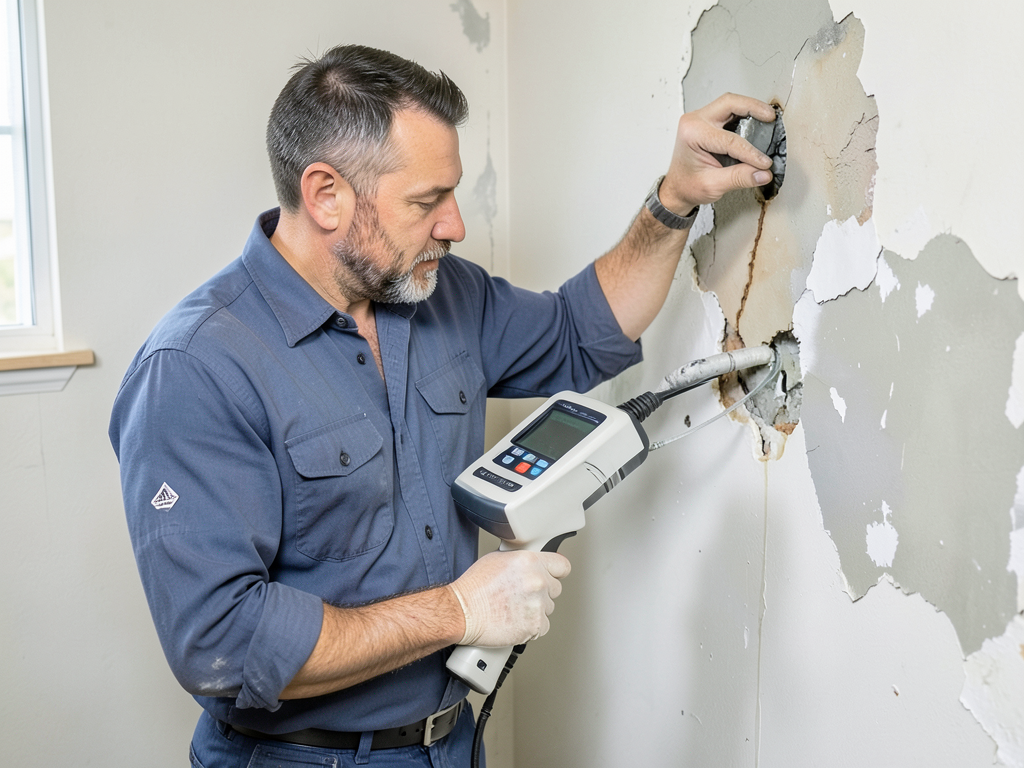
Dealing with water damage when you live in a Columbus HOA or condo association Water…
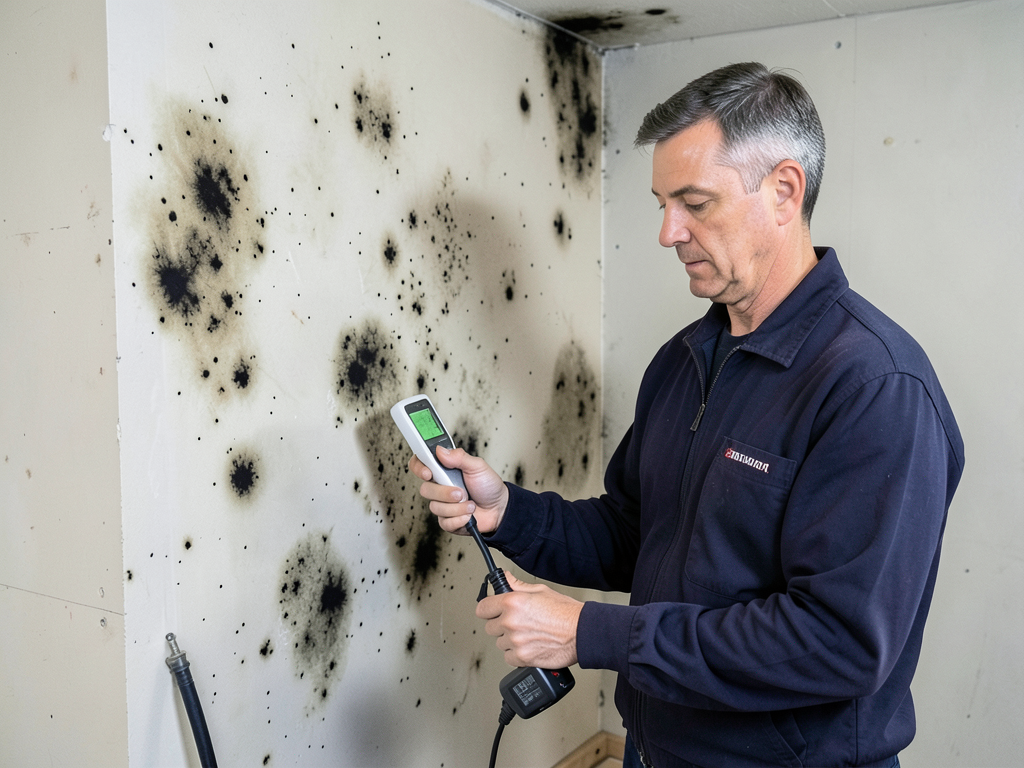
The real difference between common mildew and dangerous black mold in Eastmoor homes Eastmoor homeowners…

Testing your sump pump before the spring rains hit the South Side \n\n Heavy spring…
Every hour you wait, water spreads deeper into walls and under flooring. Call Five Star Water Damage Restoration Columbus now at (614) 707-7505. Our crews dispatch immediately, arriving at your Bexley home in under 60 minutes with extraction equipment ready to stop the damage.