Menu

Water Damage Restoration Cost 2026 in Columbus – Transparent Pricing Guides for Ohio Homeowners

Understand what drives water mitigation cost estimates in Central Ohio, from Scioto River flooding patterns to foundation challenges, and make informed decisions about water damage remediation expenses for your Columbus property.

Slider Image 1
Slider Image 2
Slider Image 3
Slider Image 4
Slider Image 5
Slider Image 7
Slider Image 8
Slider Image 9
Slider Image 10
Slider Image 11

Why Water Damage Restoration Pricing Varies Wildly Across Columbus Neighborhoods

You open your insurance estimate and the number makes no sense. One contractor quotes $3,000 for basement water extraction, another says $8,500 for the same square footage. The confusion is not random.

Columbus sits at the convergence of the Scioto and Olentangy Rivers. Historic neighborhoods like German Village and Victorian Village feature century-old stone foundations that absorb moisture differently than the poured concrete slabs common in Hilliard and Dublin subdivisions built after 1990. Clay-heavy soil throughout Franklin County expands when wet, creating hydrostatic pressure that forces water through basement walls. This geological reality affects average water damage cleanup pricing more than most homeowners realize.

Water mitigation cost estimates reflect three core variables. First, the source. Clean water from a burst supply line costs less to extract than Category 3 sewage backup, which requires antimicrobial treatment and disposal protocols regulated by the Franklin County Board of Health. Second, the duration. Water sitting for 72 hours penetrates drywall, subfloors, and insulation, multiplying structural drying time and price to repair water damage. Third, the materials. Hardwood floors in a Clintonville bungalow require different drying equipment than the laminate flooring in a Gahanna townhome.

Water damage remediation expenses also include hidden factors. Mold testing. Thermal imaging to detect trapped moisture. Air scrubbers to remove spores. Desiccant dehumidifiers for dense materials. Insurance companies use Xactimate software to calculate water restoration service rates, but adjusters often underestimate drying time for Ohio's humid summers, when relative humidity hovers above 70 percent for weeks.

The price range is not arbitrary. It reflects the complexity of returning your home to pre-loss condition without cutting corners that lead to mold growth six months later.

Why Water Damage Restoration Pricing Varies Wildly Across Columbus Neighborhoods
How Professional Estimators Calculate Your Actual Restoration Cost

How Professional Estimators Calculate Your Actual Restoration Cost

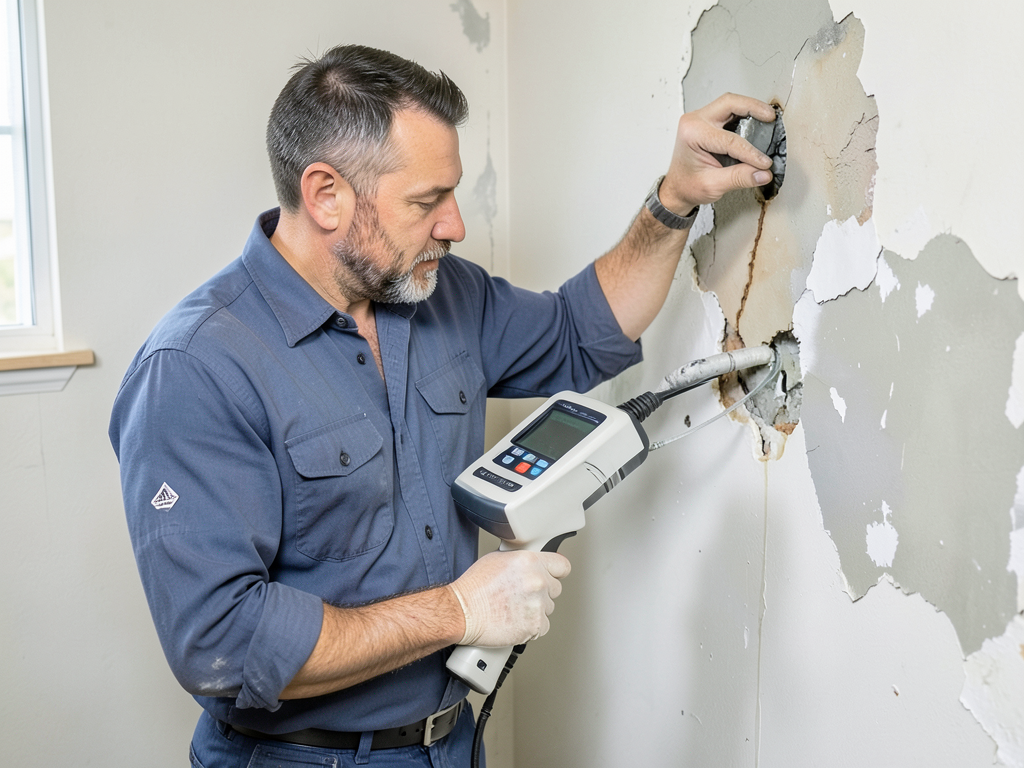
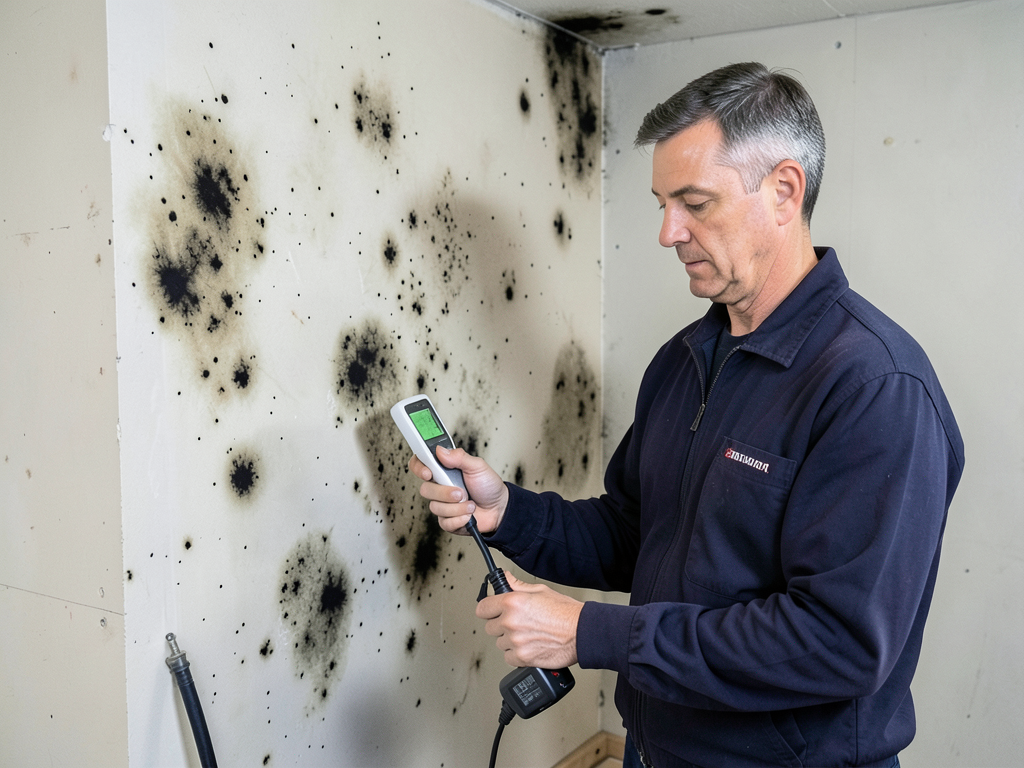
Walk into a flooded basement with a restoration technician and watch them pull out a moisture meter, infrared camera, and hygrometer before discussing numbers. This is not theater. These tools determine the scope.

Moisture mapping starts at the source and radiates outward. Technicians measure moisture content in structural materials using pin-type meters that penetrate drywall and wood, recording readings in percentages. Anything above 16 percent in wood framing creates conditions for microbial growth. Concrete shows saturation differently, requiring non-invasive meters that use radio frequency signals to detect moisture up to three inches deep.

Thermal imaging reveals what you cannot see. Cold spots on walls indicate trapped water. Darker areas on ceilings show saturation in insulation. This technology prevents the biggest cost mistake: drying only visible damage while moisture migrates through wall cavities and under flooring.

Psychrometry guides equipment placement. This science measures air temperature, relative humidity, and dew point to calculate how much water vapor the air can hold. A basement at 68 degrees and 80 percent relative humidity requires more dehumidification than a main floor at the same temperature but 50 percent humidity. Equipment rental, labor hours, and electricity costs scale with these measurements.

Class and category classification determines protocol. Class 1 damage affects less than 5 percent of a room and dries quickly. Class 4 involves specialty drying for hardwood, plaster, or stone. Category 1 is clean water. Category 3 is sewage. Each classification follows IICRC S500 standards that dictate minimum drying time, required equipment, and disposal procedures.

Five Star Water Damage Restoration Columbus uses this methodology because shortcuts lead to callbacks. Proper assessment means accurate pricing from the start.

What Happens When You Request a Water Damage Cost Estimate

Water Damage Restoration Cost 2026 in Columbus – Transparent Pricing Guides for Ohio Homeowners
01

Initial Damage Assessment

A certified technician arrives within hours to document the affected areas using moisture detection equipment and photo documentation. You receive a preliminary scope of work that identifies water classification, affected materials, and estimated drying time based on cubic footage and humidity readings. This assessment forms the foundation for your insurance claim and determines whether emergency mitigation starts immediately or if additional evaluation is needed.
02

Detailed Cost Breakdown

The written estimate separates line items: water extraction, structural drying, demolition of non-salvageable materials, antimicrobial treatment, deodorization, and reconstruction. Equipment costs list each air mover, dehumidifier, and air scrubber with daily rental rates. Labor hours reflect IICRC guidelines for your damage class. This transparency lets you compare water restoration service rates accurately and understand what you are paying for at every stage.
03

Insurance Coordination

The estimate translates into Xactimate format, the software used by 90 percent of insurance adjusters in Ohio. This compatibility eliminates disputes over pricing and speeds claim approval. You receive documentation showing how the estimate aligns with Franklin County water damage restoration expenses and industry standards. The goal is zero surprises when your adjuster reviews the claim, protecting you from out-of-pocket costs due to estimation errors.

Why Local Knowledge Changes the Cost Equation in Columbus

A national franchise operator from Atlanta does not understand why Columbus basements flood differently than Georgia crawlspaces. They apply standardized pricing models that miss local variables.

Columbus experiences freeze-thaw cycles that crack foundation walls. January temperatures drop below 20 degrees, then spike to 45 degrees by March. This expansion and contraction creates hairline cracks in poured concrete and separates mortar joints in older brick foundations. When spring rains arrive, water enters through these openings. A local estimator accounts for foundation repair in the initial quote. An out-of-town crew discovers it mid-project and adds change orders.

The Scioto River flooded parts of Franklinton in 2021, and property owners learned hard lessons about groundwater intrusion. Homes near the river corridor require different waterproofing strategies than properties in Bexley or Upper Arlington. Water table depth varies by neighborhood. Soil permeability changes within a five-mile radius. These factors affect how long structural drying takes and whether exterior drainage correction belongs in your restoration budget.

Columbus building codes updated in 2022 to require vapor barriers in certain below-grade applications. A restoration company unfamiliar with Franklin County regulations might complete drying and reconstruction work that fails inspection, forcing you to pay twice. Five Star Water Damage Restoration Columbus tracks local code changes and incorporates compliance into every estimate.

Insurance carriers also adjust pricing based on regional labor rates and material costs. The cost to repair water damage in Columbus differs from Cleveland because of contractor availability, disposal fees at local landfills, and demand fluctuations. A company that works exclusively in Central Ohio understands these market conditions and prices accordingly, eliminating the sticker shock that comes from generic national pricing.

Local expertise means accurate first estimates, not revised invoices.

What Your Investment in Professional Restoration Actually Covers

Response Time and Availability

Water restoration service rates include 24-hour emergency dispatch because delays increase damage exponentially. A crew arrives within two hours of your call, even at 2 a.m. on Sunday. They start water extraction immediately to prevent secondary damage that multiplies restoration costs. Equipment deployment happens the same day. This speed is not a courtesy. It is damage mitigation that protects your investment and prevents mold colonization, which begins within 48 hours in Columbus's humid climate.

Comprehensive Property Evaluation

Average water damage cleanup pricing includes thorough assessment using calibrated moisture meters, thermal imaging cameras, and hygrometers. Technicians test moisture levels in walls, ceilings, subfloors, and insulation to map the full extent of saturation. This evaluation identifies hidden damage that untrained eyes miss, like wet insulation in wall cavities or moisture trapped under vinyl flooring. You receive a detailed moisture map showing affected areas and baseline readings that guide the drying process to completion.

Professional-Grade Drying Equipment

Water mitigation cost estimates reflect the use of commercial dehumidifiers that remove 150 pints of moisture per day, not the 50-pint consumer units sold at hardware stores. High-velocity air movers create airflow patterns that dry structural cavities. Air scrubbers with HEPA filters remove airborne contaminants released during drying. This equipment runs continuously for three to five days on average, monitored daily with moisture readings to verify progress. The price includes electricity, maintenance, and replacement of damaged equipment.

Post-Restoration Documentation

Your water damage remediation expenses include final moisture verification showing all materials returned to dry standard. You receive a certificate of completion with pre-loss and post-drying readings for insurance records and future property sales. This documentation protects you from moisture-related issues later and provides evidence that restoration met industry standards. If reconstruction occurs, you get photo records of work completed behind walls and under floors, creating a permanent record of repairs for future reference.

Frequently Asked Questions

You Have Questions,
We Have Answers

How much will it cost to repair water damage? +

Water damage repair costs depend on the severity, affected area, and damage category. Minor fixes like small leaks typically start around a few hundred dollars. Extensive damage involving structural repairs, mold remediation, or sewage cleanup can run several thousand. Columbus homeowners face unique challenges from freeze-thaw cycles and basement flooding due to clay soil drainage issues. Professionals assess water source, square footage, materials affected, and extraction complexity. Emergency mitigation performed within 24 hours reduces total costs. Most insurance policies cover sudden incidents like burst pipes, but gradual damage from neglect may not qualify. Get a detailed estimate before work begins.

Is water damage restoration worth it? +

Water damage restoration is absolutely worth it when you act fast. Delaying repair allows mold growth within 24 to 48 hours, structural wood rot, and foundation compromise. Columbus homes with finished basements or crawl spaces face higher risk due to humidity and poor ventilation. Professional restoration prevents long-term health hazards, preserves property value, and stops secondary damage that multiplies costs. Insurance typically covers restoration but not damage from neglect. Proper drying, antimicrobial treatment, and documentation protect your investment. Ignoring water damage leads to costly structural repairs, decreased resale value, and potential liability if mold affects occupants.

How much does it cost to repair a water damaged floor? +

Water damaged floor repair costs vary by material and damage extent. Laminate or engineered wood typically requires full replacement, running several dollars per square foot plus labor. Hardwood floors may be salvageable through drying, sanding, and refinishing if addressed immediately. Tile floors usually survive if subfloors remain intact. Columbus homes often have hardwood in older neighborhoods and laminate in newer builds. Subfloor damage adds significant expense, requiring plywood replacement and mold treatment. Professionals assess moisture levels using specialized meters. Quick extraction and drying within hours can save floors. Delayed response forces total replacement and increases costs substantially.

Is water damage restoration profitable? +

This question addresses business viability, not homeowner concerns. Water damage restoration businesses can be profitable due to consistent demand, emergency pricing, and insurance-backed revenue. The industry requires significant equipment investment, certifications, and 24/7 availability. Columbus experiences seasonal demand spikes from winter pipe bursts and spring flooding. Successful operations build relationships with insurance adjusters, property managers, and plumbers. Profit margins depend on efficient job completion, proper documentation, and minimizing callbacks. Homeowners benefit from competitive markets through better pricing and service quality. Understanding industry economics helps you evaluate contractor stability and pricing transparency.

Is water damage in walls covered by insurance? +

Insurance coverage for water damage in walls depends on the cause. Sudden, accidental events like burst pipes, appliance malfunctions, or storm damage typically qualify under standard homeowner policies. Gradual damage from slow leaks, poor maintenance, or humidity is usually excluded. Columbus insurers require documentation showing the damage was unexpected and recent. Flood damage requires separate flood insurance, critical for homes near Scioto River or Alum Creek. Review your policy declarations page for exclusions. File claims immediately with photos and professional assessments. Hidden wall damage complicates claims, so thorough inspection and moisture mapping strengthen your case.

Why is water damage so expensive? +

Water damage restoration costs reflect the labor-intensive process, specialized equipment, and urgency required. Professional extractors, dehumidifiers, air movers, and moisture meters represent substantial investment. Technicians need certifications and training in microbial remediation and structural drying. Emergency response means 24/7 availability and rapid deployment. Columbus properties often require mold treatment due to humidity, adding antimicrobial application and containment costs. Hidden damage behind walls or under floors demands invasive inspection. Insurance documentation, moisture monitoring, and multi-day drying processes increase labor hours. Preventing secondary damage through proper restoration saves money compared to ignoring problems that worsen structural integrity and health risks.

How long does water damage restoration take? +

Water damage restoration typically takes three to five days for standard residential jobs, but timelines vary significantly. Small leaks with minimal spread may complete in 24 to 48 hours. Extensive flooding, sewage backups, or structural damage can require one to two weeks. Columbus humidity levels extend drying times compared to drier climates. Professionals monitor moisture levels daily using meters, adjusting equipment as needed. Demolition of unsalvageable materials, mold remediation, and reconstruction add time. Emergency extraction begins immediately, but complete drying cannot be rushed without risking mold growth. Insurance inspections and approval processes may extend timelines before reconstruction starts.

Does water damage decrease home value? +

Unrepaired water damage significantly decreases home value and marketability. Buyers and appraisers look for signs of past water intrusion, mold, staining, and structural compromise. Columbus disclosure laws require sellers to reveal known water damage history. Professional restoration with documentation helps maintain value by proving proper remediation. Hidden damage discovered during inspections kills deals or forces price reductions. Basement water issues particularly concern buyers in Columbus due to clay soil and drainage challenges. Cosmetic fixes without addressing underlying moisture problems create liability. Proper restoration preserves equity and prevents appraisal penalties. Homes with documented professional water damage repair sell better than those with DIY patches.

What is the difference between water remediation and restoration? +

Water remediation focuses on immediate damage control: extracting standing water, removing wet materials, and preventing spread. Remediation stops the problem from worsening and stabilizes the environment. Restoration completes the process by repairing, rebuilding, and returning the property to pre-loss condition. Remediation involves emergency response, drying equipment, and antimicrobial treatment. Restoration includes reconstruction, painting, flooring replacement, and finish work. Columbus homeowners often need both services sequentially. Remediation companies may or may not handle full restoration. Separate contractors can delay projects and complicate insurance claims. Integrated providers streamline timelines and accountability. Understanding this distinction helps you hire appropriately and set realistic expectations.

How much does insurance go up after water damage? +

Insurance rate increases after water damage claims depend on claim frequency, amount, and your insurer's policies. Single claims under a certain threshold may not trigger increases, especially for sudden covered events like burst pipes. Multiple claims within three to five years often result in premium hikes or non-renewal. Columbus insurers consider regional risk factors like flooding patterns and aging infrastructure. Large claims exceeding certain dollar amounts impact rates more significantly. Some policies offer claim-free discounts that reset after filing. Non-covered incidents like gradual damage do not affect premiums but require out-of-pocket payment. Review your policy's claim impact disclosure before filing smaller claims.

How Franklin County Clay Soil Drives Up Columbus Water Damage Restoration Costs

Franklin County sits on clay-heavy glacial till that shrinks during dry summers and expands during wet springs. This soil movement creates hydrostatic pressure against foundation walls, forcing water through cracks and joints. Homes built before 1980 in neighborhoods like Clintonville and Beechwold lack exterior waterproofing membranes, making them vulnerable to seasonal groundwater intrusion. Water damage remediation expenses in these areas often include foundation sealing and drainage correction, not just interior drying. The price to repair water damage rises when soil conditions require exterior work to prevent recurrence.

Five Star Water Damage Restoration Columbus works with structural engineers and waterproofing specialists who understand Central Ohio soil mechanics. This network ensures that your water restoration service rates reflect complete solutions, not temporary fixes that fail when the next heavy rain arrives. We reference Franklin County building codes and IICRC standards when creating estimates because local adjusters expect documentation that aligns with regional conditions. Choosing a restoration company that understands Columbus geology protects you from repeat flooding and the escalating costs that come with inadequate initial repairs.
Water Damage Restoration Services in The Columbus Area

We proudly serve the wider Columbus area and its surrounding communities. Our centrally located office allows our emergency response teams to reach your property quickly, no matter where you are. We are committed to being a reliable resource for our neighbors, and our responsive team is always on standby to provide professional assistance when you need it most. We believe that local expertise and a quick response are crucial when dealing with water damage, so we encourage you to view our service area to see if we can help.

Address:
Five Star Water Damage Restoration Columbus, 601 N High St, Columbus, OH, 43215

Additional Services We Offer

Our news updates

Latest Articles & News from The Blogs

Dealing with water damage when you live in a Columbus HOA or condo association Water damage in a Columbus condo…

Dealing with water damage when you live in a Columbus HOA or condo association

Dealing with water damage when you live in a Columbus HOA or condo association Water damage in a Columbus condo…

The real difference between common mildew and dangerous black mold in Eastmoor homes

The real difference between common mildew and dangerous black mold in Eastmoor homes Eastmoor homeowners often spot dark patches in…

Testing your sump pump before the spring rains hit the South Side

Testing your sump pump before the spring rains hit the South Side \n\n Heavy spring rains combined with the clay-rich…

Contact Us

Stop guessing what restoration should cost. Call (614) 707-7505 now for a detailed assessment using calibrated moisture detection equipment. You receive a written estimate with line-item pricing before work begins. No surprises. No hidden fees. Just honest pricing based on your actual damage.