


Grove City sits in the Scioto River watershed, where Central Ohio's clay-heavy soil creates drainage problems that most homeowners don't see coming. The same soil that made this area farmable for generations now causes foundation seepage and basement flooding during spring thaws and summer storms. Properties near Big Run or Scioto Darby Creek face seasonal overflow risks, while homes in older neighborhoods like Kingston and Holton have aging cast iron drain lines that crack and leak without warning.
Ohio's freeze-thaw cycles hit hard here. Winter temperatures drop below freezing for weeks, then spike above 40 degrees within days. Pipes in crawl spaces and exterior walls burst. Ice dams form on roofs common to Grove City's ranch and split-level homes built in the 1960s and 70s. When ice melts, water runs behind siding and into wall cavities.
The city's mix of old and new construction means varied vulnerabilities. Historic homes near Town Street have original plumbing and questionable sump pump systems. Newer developments in Jackson Township have modern materials but rushed construction that sometimes skips proper grading. Both face water damage, just from different sources. Understanding these local factors makes the difference between surface fixes and permanent solutions.
We built our reputation in Grove City by showing up when other companies won't answer the phone. Water damage happens at 2 AM on Sunday. Pipes burst on Christmas morning. Washing machines overflow during family gatherings. We dispatch crews 24/7 because water doesn't wait for business hours, and neither do we.
Our restoration approach is different. We don't just extract water and set fans. We use thermal imaging to find hidden moisture in wall cavities and subfloors. We document moisture readings at multiple stages so insurance adjusters see exactly what happened and what we fixed. We pull baseboards, drill weep holes in cabinets, and inject drying agents into structural cavities that other companies ignore. This prevents the callback six weeks later when mold appears.
Grove City clients appreciate straight talk. We tell you what insurance will likely cover and what they'll fight. We photograph everything, write detailed scope documents, and provide documentation that adjusters respect. Most claims get approved because we do the paperwork right the first time.
We know Franklin County building codes and Grove City permit requirements. When restoration requires wall removal or electrical work, we handle permits and inspections. You get one crew, one point of contact, and one company responsible for the complete job. No subcontractors who don't show up. No finger-pointing between trades.
Our equipment stays current. Truck-mounted extractors pull thousands of gallons per hour. Low-grain refrigerant dehumidifiers work in cold basements where desiccant units fail. We own the gear instead of renting it, so it's maintained properly and available immediately when you need it.

We document damage with photos, moisture maps, and detailed reports that insurance companies require. Most claims get approved because we provide the evidence adjusters need. You receive copies of everything we submit, so you know exactly what your insurer sees and why restoration costs what it does.

Water damage doesn't wait for convenient hours. We answer calls at midnight, dispatch crews before sunrise, and arrive at Grove City properties within 60 minutes of your call. Fast response stops damage from spreading and reduces total restoration costs. Every hour of delay means more drywall removal and higher bills.
Thermal imaging cameras and deep-probe moisture meters find water you can't see. We check behind walls, under flooring, and inside ceiling cavities. Surface drying looks good but leaves hidden moisture that grows mold. We verify complete dryness with calibrated instruments before declaring a job finished.
We know which neighborhoods flood during heavy rain, which subdivisions have basement seepage issues, and which streets have old municipal water lines that fail. Local knowledge means faster diagnosis and targeted solutions. We've restored properties across every Grove City zip code and know what works in Central Ohio conditions.
Water damage restoration requires more than mopping floors and running fans. Different water sources demand different approaches. Clean water from broken supply lines needs fast extraction and drying. Gray water from washing machine overflows requires antimicrobial treatment. Black water from sewage backups demands containment protocols and complete material removal.
Five Star Water Damage Restoration Columbus handles the full spectrum of water damage scenarios across Grove City. We extract standing water, dry structural elements, remove damaged materials, treat for contamination, and rebuild what can't be saved. Each project gets assessed individually because cookie-cutter approaches miss critical details.
Our service categories reflect how water actually enters buildings and what it damages. Emergency extraction focuses on stopping active water intrusion and removing standing water before it saturates more materials. Structural drying addresses moisture trapped in framing, subfloors, and wall cavities that surface work misses. Contamination remediation handles sewage backups, storm flooding, and other scenarios where water carries bacteria or chemicals that make materials unsafe.
We also provide mold remediation when water sits too long, complete reconstruction after material removal, and contents restoration for damaged belongings. Some companies stop after drying. We finish the job completely so you can move back in.
When water covers your floors, immediate extraction prevents it from wicking into drywall, cabinets, and framing. We arrive with truck-mounted extractors that pull thousands of gallons per hour, stopping water migration before it reaches unaffected areas. Furniture gets blocked up on foam risers. Electronics and documents move to dry areas. Carpet padding gets removed if saturated because it's impossible to dry completely. Speed matters because drywall wicks water vertically at about one inch per hour.
After extraction, moisture remains in walls, subfloors, and framing. We set up airflow patterns using axial fans positioned to create continuous air movement across wet surfaces. Dehumidifiers pull moisture from the air so materials can release trapped water. We monitor moisture readings daily, adjusting equipment placement as materials dry. Baseboards get pulled. Holes get drilled in cabinets for airflow. Wall cavities get injected with warm, dry air. Complete drying takes three to seven days depending on materials and saturation levels.
Sewage backups and flooding from outside sources bring bacteria, viruses, and chemicals into your property. Materials that touch contaminated water often get removed entirely because cleaning doesn't eliminate health risks. We establish containment barriers, use negative air pressure to prevent contamination spread, and apply EPA-registered antimicrobials to surfaces that can be saved. Carpeting, padding, drywall below the flood line, and insulation typically get removed and disposed of following Ohio Department of Health guidelines for contaminated materials.
Grove City's water damage patterns follow predictable seasonal cycles and construction characteristics. Spring brings rapid snowmelt and heavy rain that overwhelms yard drainage and foundation waterproofing. Summer storms dump inches of rain in hours, backing up municipal storm sewers and flooding finished basements. Fall leaf accumulation clogs gutters, sending overflow behind fascia boards and into attic spaces. Winter freeze events burst pipes in exterior walls and crawlspaces.
The city's housing stock creates additional vulnerabilities. Homes built before 1980 often have original cast iron drain lines that corrode from inside and crack without warning. Properties near Big Run Creek and Scioto Darby tributaries sit in flood zones that insurance maps don't always capture accurately. Newer homes in Jackson Township have modern materials but sometimes inadequate lot grading that sends water toward foundations instead of away.
Commercial properties face different challenges. Retail spaces in older strip malls along Southwest Boulevard have flat roofs with aging membranes that leak around HVAC penetrations. Office buildings share common walls where one tenant's plumbing failure floods adjacent spaces. Restaurants have grease trap backups and dishwasher supply line failures that damage multiple rooms quickly.
Understanding these local patterns helps us respond appropriately and prevent future incidents.
Central Ohio winters bring extended periods below freezing, then sudden thaws that burst pipes weakened by ice expansion. Exterior walls, crawlspaces, and unheated garages are most vulnerable. A single burst pipe releases hundreds of gallons before anyone notices, flooding multiple rooms and saturating drywall, insulation, and flooring throughout affected areas.
Grove City's clay soil doesn't absorb water quickly. Heavy rain saturates the ground, overwhelming foundation drains and pushing water through basement walls and floor cracks. Sump pumps fail or can't keep pace with incoming water. Finished basements lose carpet, drywall, and furniture. Unfinished basements flood stored belongings and mechanical equipment.
When storm sewers overflow during heavy rain, sewage backs up through floor drains and basement toilets. Contaminated water spreads across basement floors, saturating anything it touches. This requires complete removal of affected materials and antimicrobial treatment of all surfaces. Health risks are significant, and response time determines how much material gets removed.
Water heaters leak from corroded tanks. Washing machine supply hoses burst under constant pressure. Dishwashers overflow from clogged drains. Toilet supply lines crack at compression fittings. These failures happen without warning, often when no one is home to shut off water quickly. A single failure can release hundreds of gallons across multiple rooms.
Water damage creates panic. You're looking at ruined belongings and don't know where to start. We bring order to chaos with a clear process that addresses immediate damage first, then moves through restoration systematically.
When you call, we ask specific questions about the water source, affected areas, and safety concerns. This isn't small talk. The answers determine what equipment we bring, whether we need to shut off utilities, and what safety gear our crew needs. We dispatch immediately for active water intrusion. For completed events where water is shut off, we arrive within 60 minutes during business hours, within 90 minutes overnight.
Our first priority on-site is safety. We check for electrical hazards, structural damage, and contamination risks before bringing in equipment. We explain what we find and what happens next. No industry jargon. No assumptions that you understand restoration terminology.
You'll see immediate action. Water extraction starts within minutes of arrival. Damaged materials that can't be saved get identified early so you can notify your insurance company with accurate information. We photograph everything for documentation. You receive daily updates on drying progress, moisture readings, and timeline expectations.
We respect your property. Floors get protected with plastic runners. Equipment placement considers your daily routine. We work efficiently but don't rush steps that require proper dwell time or monitoring.
You get a single point of contact who answers questions, provides updates, and coordinates with your insurance company. We explain what we're doing and why it matters. Moisture readings get shared so you understand drying progress. Timeline estimates are realistic, not optimistic. If we find additional damage during restoration, you know immediately and approve any scope changes before work proceeds. No surprises on the final bill.
Insurance companies require specific documentation to approve claims. We photograph damage from multiple angles, create detailed equipment logs showing what ran where and for how long, and provide moisture maps that track affected areas. Estimates break down labor, materials, and equipment costs line by line. We meet adjusters on-site when needed and provide technical explanations they require to justify claim payments.
We don't guess when materials are dry. Moisture meters verify that wood framing, subfloors, and structural elements have returned to normal moisture content. You see the readings and understand what they mean. We provide written certification of dryness for your insurance company. Equipment stays in place until readings confirm complete drying, even if it takes longer than estimated. Shortcuts create mold problems that cost more to fix later.
Water damage restoration follows a logical sequence. Each step builds on the previous one. Skipping steps or rushing through phases creates problems that surface weeks later. We follow this process on every job because it works.
We identify the water source and shut it off if still active. Safety hazards get addressed immediately. Then we assess affected areas using moisture meters and thermal imaging to find hidden saturation. Standing water gets extracted using truck-mounted equipment or portable extractors depending on access. Saturated materials that can't be saved get identified and documented. This phase typically takes two to four hours depending on property size and damage extent.
Dehumidifiers and air movers create optimal drying conditions. We position equipment based on airflow patterns and moisture distribution. Moisture readings get taken daily at the same locations to track drying progress. Equipment placement gets adjusted as needed. Baseboards, carpet padding, and insulation that hold moisture get removed to speed drying. This phase runs three to seven days until materials reach normal moisture content verified by calibrated instruments.
After complete drying verification, we replace removed materials and repair damage. Drywall gets patched or replaced. Baseboards get reinstalled. Flooring goes back down. Paint matches existing colors. We handle permits for any work requiring inspection. The goal is returning your property to pre-loss condition, not just stopping water damage. Final walkthrough confirms everything is complete before we consider the job finished.
Professional water damage restoration follows specific standards developed by the Institute of Inspection, Cleaning and Restoration Certification. These aren't suggestions. They're protocols based on building science, microbiology, and structural engineering that determine whether restoration succeeds or fails.
The IICRC S500 Standard governs water damage restoration. It classifies water into three categories based on contamination level. Category 1 is clean water from supply lines. Category 2 is gray water from appliances and contains some contamination. Category 3 is black water from sewage or flooding and requires complete material removal. Treatment protocols differ dramatically between categories. Using Category 1 protocols on Category 3 water creates health hazards.
Water damage also gets classified by evaporation rate and affected materials. Class 1 affects minimal absorbent materials. Class 4 involves specialty drying for hardwood, plaster, and stone. Drying equipment, timeframes, and monitoring requirements change based on these classifications. Insurance companies require this classification system in documentation.
Ohio building codes affect restoration work. Electrical systems exposed to water require inspection before re-energizing. Plumbing repairs need permits for anything beyond simple fixture replacement. Structural alterations during restoration require engineering review if load-bearing elements are affected.
We use psychrometry to calculate ideal drying conditions. This science measures air temperature, humidity, and dew point to determine equipment settings. Dehumidifiers get sized based on grain depression potential and specific volume, not just square footage. Air movers get positioned to create laminar airflow across surfaces at specific velocities. These calculations determine whether materials dry in four days or fourteen.
Moisture content standards exist for each material. Wood framing should be below 15% moisture content. Concrete should be below 4% relative humidity. Drywall should match moisture levels of unaffected drywall in the same structure. We verify these standards before removing equipment.
Professional water restoration technicians hold Water Restoration Technician certification from IICRC. This requires classroom training, examination, and continuing education. Certification covers water science, microbial contamination, drying systems, documentation requirements, and safety protocols. Insurance companies prefer certified technicians because training reduces errors that lead to denied claims or additional damage.
Restoration costs depend on water category, affected square footage, material types, and saturation depth. Clean water affecting minimal materials costs less than sewage backup requiring complete removal. Single-story homes dry faster than multi-level properties. Contents restoration, antimicrobial treatment, and reconstruction add to base drying costs. Insurance deductibles, coverage limits, and policy exclusions determine out-of-pocket expenses.
Structural drying takes three to seven days for most residential water damage when performed correctly. Hardwood floors need two to three weeks. Plaster walls dry slower than drywall. High humidity weather extends timelines. Rushed drying leaves moisture that creates mold. Equipment runs continuously and gets monitored daily. Anyone promising complete drying in 24 hours is either treating minimal damage or cutting corners.
Ohio requires contractor licensing for reconstruction work. Water damage restoration itself doesn't require specific licensing, but associated work often does. Electrical repairs need licensed electricians. Plumbing alterations need permits and licensed plumbers. Mold remediation follows Ohio Department of Health guidelines. We maintain proper licensing, pull required permits, and coordinate inspections so restoration meets code requirements.
Five Star Water Damage Restoration Columbus serves all of Grove City and extends throughout the greater Franklin County area. We know these communities because we work in them daily, responding to water damage emergencies across different neighborhoods with distinct characteristics and challenges.
In Grove City proper, we regularly serve properties throughout the historic Town Street corridor where older homes have aging plumbing systems and basement configurations that make them vulnerable to flooding. The Kingston and Holton neighborhoods feature homes built in the 1960s with crawlspace foundations that trap moisture and create repeated dampness issues during wet seasons. Southwest Grove City near Hoover Road and London-Groveport has newer construction but sits in areas where storm drainage struggles during heavy rain events.
We respond frequently to Jackson Township properties just south of Grove City, where rural residential development has modern homes but limited municipal water infrastructure. Wells and septic systems create different water damage scenarios than city utilities. Properties near Big Run and smaller tributaries face seasonal flooding risks that crop insurance maps don't always reflect accurately.
North toward Galloway and the I-270 corridor, we handle water damage in commercial properties along Southwest Boulevard and Stringtown Road. Retail spaces, office buildings, and light industrial facilities have different restoration requirements than residential properties. Flat roofs, shared walls, and complex mechanical systems create unique challenges that require commercial expertise.
East Grove City near Gantz Road and South High Street includes a mix of established neighborhoods and commercial development. We've restored properties throughout this area, dealing with everything from burst pipes in older homes to storm damage in newer subdivisions. The Scioto Darby Creek floodplain affects properties in this area during major rain events.
We also serve surrounding communities including Harrisburg to the west, Urbancrest to the northwest, and portions of Columbus that border Grove City. Franklin County's varying topography and soil conditions mean water damage patterns change from one area to another. Properties in former agricultural areas have different foundation challenges than homes built on previously developed land. We understand these distinctions and adjust our approach accordingly.
Our service area extends throughout Franklin County because water damage doesn't respect municipal boundaries. A single storm system affects properties across multiple zip codes. We maintain the equipment, staff, and local knowledge to respond anywhere in the region.
We proudly serve the wider Columbus area and its surrounding communities. Our centrally located office allows our emergency response teams to reach your property quickly, no matter where you are. We are committed to being a reliable resource for our neighbors, and our responsive team is always on standby to provide professional assistance when you need it most. We believe that local expertise and a quick response are crucial when dealing with water damage, so we encourage you to view our service area to see if we can help.
Address:
Grove City, OH, 43123

Smart Water Leak Detectors for Bronzeville Renovations Water damage strikes without warning and can destroy months of renovation work in hours. In Bronzeville’s mix of historic brick and modern builds, hidden leaks threaten everything from…
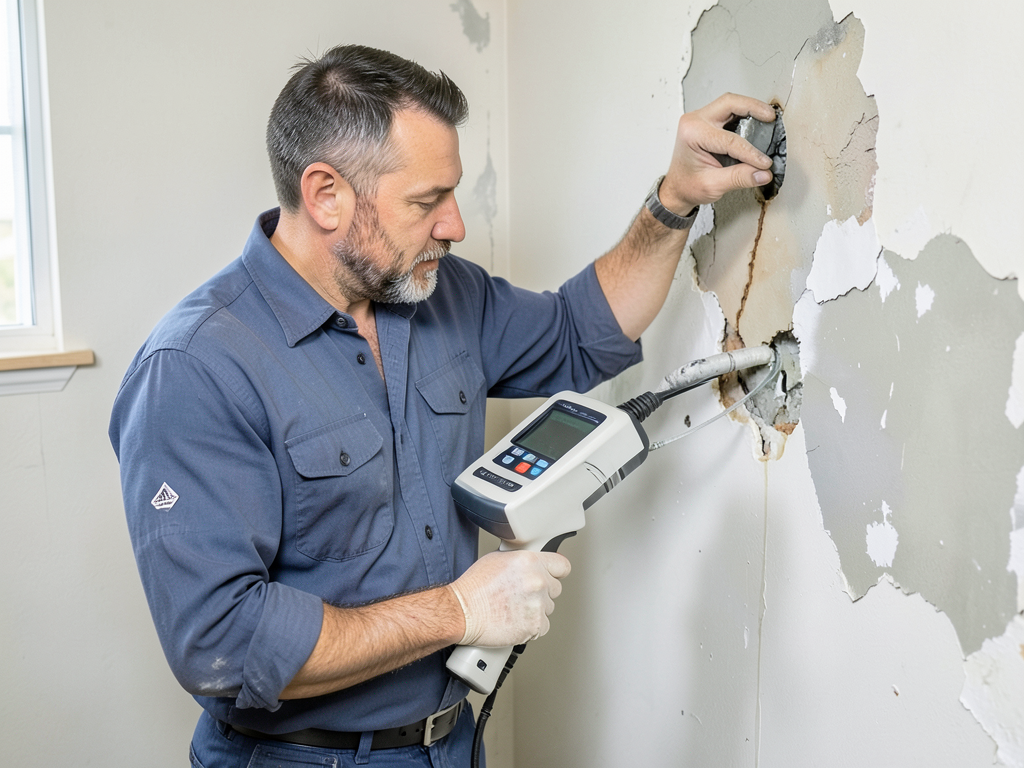
Dealing with water damage when you live in a Columbus HOA or condo association Water…
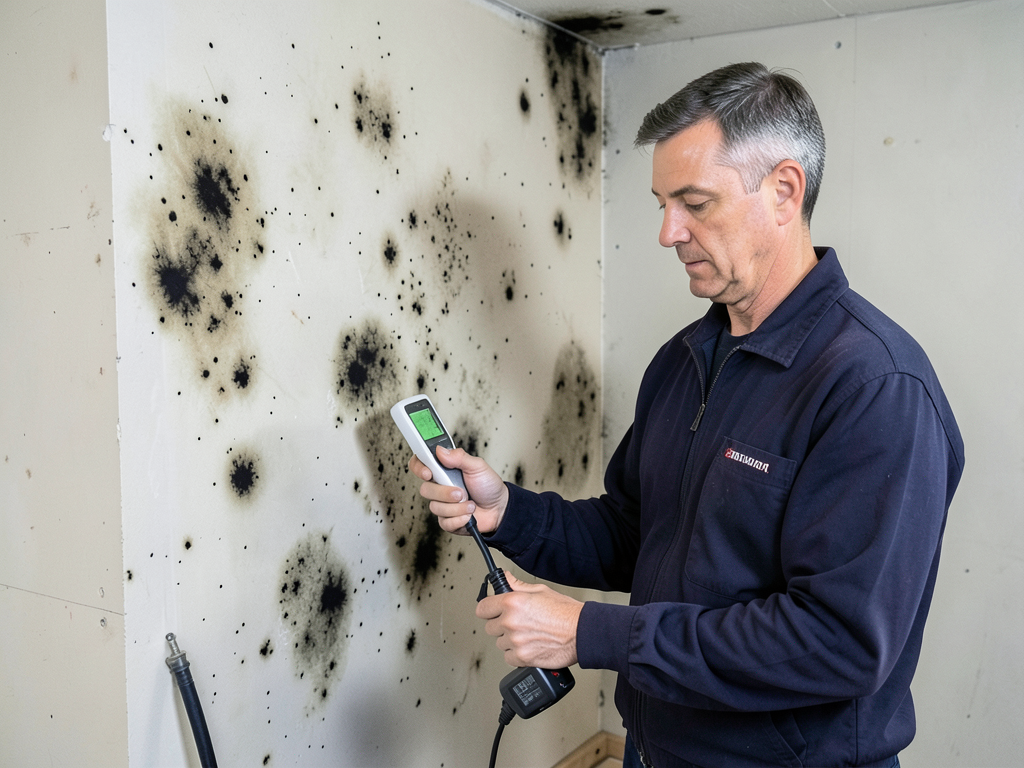
The real difference between common mildew and dangerous black mold in Eastmoor homes Eastmoor homeowners…

Testing your sump pump before the spring rains hit the South Side \n\n Heavy spring…
Water damage spreads fast. Every hour of delay increases restoration costs and damage extent. Call Five Star Water Damage Restoration Columbus at (614) 707-7505 right now for immediate dispatch. We answer 24/7, arrive within 60 minutes, and stop damage before it gets worse.