


Hilliard sits in the Scioto River watershed with clay-heavy soil that creates drainage challenges most homeowners don't see coming. When spring rains hit, that dense clay prevents water from absorbing naturally, pushing runoff toward foundations and into basements. The older neighborhoods near Cemetery Road and along Main Street feature homes built before modern waterproofing standards existed, leaving them vulnerable to seepage through foundation walls.
Winter freeze-thaw cycles compound the problem. Hilliard temperatures regularly swing above and below freezing from December through March, causing ice dams on roofs and frozen pipe bursts when temperatures drop overnight. The rapid development northwest of Hilliard-Rome Road has changed drainage patterns across the area, redirecting stormwater flow in ways that catch established neighborhoods off guard during heavy rain events.
Local building stock varies dramatically. Heritage District homes built in the early 1900s have crawlspace foundations prone to standing water, while newer construction in subdivisions like Ballantrae and Scioto Estates features finished basements where water damage affects living spaces and expensive finishes. The combination of unpredictable weather, challenging soil conditions, and diverse housing stock means water damage can strike any Hilliard property at any time.
We've built our reputation in Hilliard on one principle: show up fast and fix it right. When water is actively damaging your home, you need a crew that answers the phone at 2 AM and arrives with the right equipment, not promises. Our technicians carry IICRC certification in water damage restoration and applied structural drying, which means they understand the science behind moisture migration, not just surface cleanup.
Most restoration companies subcontract the actual work. We don't. Every technician who enters your Hilliard home works directly for Five Star Water Damage Restoration Columbus, drives our trucks, and follows our protocols. This matters when you're dealing with insurance claims and need documentation that holds up under adjuster scrutiny. We've worked with every major insurance carrier operating in Franklin County and know exactly what documentation they require for claims approval.
Our approach differs from competitors who focus purely on extraction and drying. We coordinate the entire restoration process, from emergency water removal through reconstruction. When a pipe burst ruins your kitchen drywall, you get one team handling moisture detection, structural drying, antimicrobial treatment, and rebuild coordination. We maintain relationships with local plumbers, electricians, and contractors throughout Hilliard, which means repairs move quickly without you managing five different vendors.
Experience matters in water damage restoration. We've handled basement floods in century homes near Norwich Street, storm damage in Ballantrae subdivisions, and commercial water losses in office buildings along Corporate Exchange Drive. That experience base means we anticipate problems before they develop and solve issues other companies don't recognize until days later.

Water damage accelerates fast. Within 24 hours, moisture migrates through building materials, warps flooring, and creates conditions for microbial growth. Our dispatch answers calls around the clock, and crews reach most Hilliard locations within 60 to 90 minutes. We arrive ready to extract water and start the drying process immediately, stopping damage progression before it spreads.

Certification separates trained professionals from crews with shop vacs. Our technicians hold IICRC credentials in water damage restoration and applied structural drying, meaning they understand psychrometry, moisture mapping, and proper drying protocols. They use thermal imaging to find hidden moisture, calculate grain depression for effective drying, and document every step for insurance compliance.
We work directly with insurance adjusters throughout the claims process, providing detailed moisture readings, photographic documentation, and industry-standard estimates. Our familiarity with major carriers operating in Hilliard means we speak their language and submit documentation that meets their requirements. Most clients find this coordination removes the biggest headache from an already stressful situation.
From Heritage District historic homes to new construction in Groves at Alton Darby, we serve every Hilliard neighborhood. Our technicians know the local housing stock, understand common construction methods in different areas, and adjust restoration approaches based on your home's age and design. Local knowledge speeds diagnosis and prevents costly mistakes during restoration.
Water damage restoration requires different approaches depending on the source, contamination level, and affected materials. A clean water supply line break demands different protocols than a sewer backup or storm flooding. Five Star Water Damage Restoration Columbus handles the full spectrum of water damage scenarios throughout Hilliard, from minor leaks to catastrophic flooding.
Our service range covers emergency water extraction, structural drying, content restoration, antimicrobial treatment, and complete reconstruction. We classify water damage according to industry standards: Category 1 clean water from supply lines, Category 2 gray water from appliances, and Category 3 black water from sewage or flooding. Each category requires specific safety protocols and restoration procedures.
Commercial properties face different challenges than residential homes. A flooded office building needs restoration that minimizes business interruption, while a residential basement flood requires careful attention to personal belongings and living space restoration. We adjust our approach based on property type, damage extent, and your specific priorities. The following services represent our three main response categories for water damage situations in Hilliard.
Standing water causes exponential damage with every passing hour. Our emergency extraction service deploys truck-mounted extractors and submersible pumps to remove water quickly, followed by moisture detection throughout affected areas. We use thermal imaging cameras to identify hidden saturation in walls and subflooring, then deploy commercial air movers and dehumidifiers to start the drying process. Emergency extraction includes water removal, initial moisture mapping, equipment placement, and containment setup to prevent moisture migration to unaffected areas.
Proper structural drying prevents secondary damage and microbial growth. Our technicians calculate moisture vapor pressure, set up targeted drying equipment, and monitor progress with daily moisture readings. This process involves removing baseboards for airflow access, creating controlled drying chambers, and adjusting equipment based on psychrometric calculations. Structural drying continues until moisture levels return to normal dry standards, typically three to five days for standard residential water damage. We document the entire drying process with detailed moisture logs required by insurance carriers.
Water damage often requires removing drywall, flooring, and other building materials. Our complete restoration service handles everything from demolition through final reconstruction, including antimicrobial treatment of affected cavities, replacement of damaged insulation, new drywall installation, painting, and flooring replacement. We coordinate with licensed contractors for specialized trades like electrical or plumbing repairs. Complete restoration returns your property to pre-loss condition, managing the entire process so you work with one company instead of coordinating multiple contractors.
Hilliard's combination of older housing stock, challenging soil conditions, and variable weather creates specific water damage patterns we see repeatedly. Understanding these common scenarios helps homeowners recognize warning signs before minor issues become major losses. Clay soil throughout Hilliard prevents proper drainage during heavy rain, pushing water toward foundations and into basements. Many homes built before 1990 lack proper foundation waterproofing, relying on interior drainage systems that can fail or overwhelm during sustained rainfall.
Winter weather brings frozen pipe risks, especially in homes with crawlspaces or exterior wall plumbing. The rapid temperature swings common to central Ohio cause pipes to freeze overnight, then burst when temperatures rise the next day. Older neighborhoods near downtown Hilliard often have original galvanized plumbing that's more vulnerable to freezing than modern PEX or copper.
Appliance failures account for a significant percentage of water damage claims. Water heaters typically last 8 to 12 years in Hilliard's hard water conditions. When they fail, the resulting flood can dump 40 to 50 gallons into your basement or utility room. Washing machine supply hoses, dishwasher connections, and refrigerator ice maker lines also fail without warning, often while homeowners are away.
Heavy spring rains overwhelm drainage systems and push groundwater through foundation cracks and floor joints. Homes in lower elevations near Big Darby Creek or small tributaries face increased risk during sustained rainfall. Once groundwater enters, it saturates concrete, drywall, and any finished materials. Quick extraction and drying prevent permanent damage to foundations and finished basement spaces.
Pipes in exterior walls, crawlspaces, or unheated garages freeze when temperatures drop below 20 degrees for extended periods. The pipe itself rarely leaks while frozen. Damage occurs when ice melts and water rushes through the compromised section, often flooding multiple rooms before homeowners discover the break. Burst pipe restoration requires immediate water extraction and rapid structural drying to prevent microbial growth.
Many Hilliard homes rely on sump pumps to manage groundwater. When pumps fail during heavy rain or lose power during storms, water backs up quickly. A failed sump pump can flood a basement with several inches of water in less than an hour. These failures often happen during the worst possible conditions, when homeowners are dealing with power outages or severe weather that delays response.
Ice dams form when heat escaping through the roof melts snow, which refreezes at the eaves and creates barriers that trap water. That trapped water backs up under shingles and leaks into attics, walls, and ceilings. Roof leaks often go undetected until water stains appear on ceilings or walls. By that point, insulation is saturated and drywall is compromised, requiring extensive drying and repairs.
Water damage creates chaos. You're dealing with active flooding or discovering damage that's already occurred, trying to figure out if you need to shut off water, move belongings, or call your insurance company first. Our process is designed to remove confusion and start fixing the problem immediately.
When you call our emergency line at (614) 707-7505, you speak with someone who can dispatch a crew, not an answering service that takes messages. We ask specific questions about the water source, how long water has been present, and what areas are affected. This information helps our technicians arrive with the right equipment.
Most Hilliard calls get a crew on site within 60 to 90 minutes. Our technicians arrive in marked vehicles with extraction equipment, moisture detection tools, and drying equipment already loaded. The first priority is stopping active water intrusion if it's still occurring, then extracting standing water and setting up initial drying equipment. We explain what we're doing as we work, take extensive photos for insurance documentation, and give you a realistic timeline for the drying and restoration process. You get direct communication throughout, not status updates filtered through customer service departments.
Our technicians start with a complete damage assessment, using moisture meters and thermal imaging to map affected areas. This identifies hidden moisture in walls, under flooring, and in ceiling cavities. We extract standing water with truck-mounted equipment or portable extractors depending on access and water volume. Extraction removes the bulk of water quickly, preventing further absorption into building materials. You receive a written scope of damage within hours of our arrival, documenting moisture levels and affected materials.
After extraction, we place commercial air movers and dehumidifiers in strategic locations to create optimal drying conditions. Our technicians return daily to take moisture readings, adjust equipment, and monitor drying progress. This daily monitoring ensures materials are drying properly without overdrying or developing secondary issues. We provide you with updated moisture logs showing progress toward dry standards. Most residential water damage reaches acceptable moisture levels within three to five days, though timelines vary based on materials affected and initial saturation levels.
We photograph all damaged areas, document moisture readings throughout the drying process, and create detailed estimates for restoration work. This documentation goes directly to your insurance adjuster with explanations of necessary procedures and industry-standard pricing. We're available to meet adjusters on site, explain our findings, and answer questions about the restoration process. Our goal is getting your claim approved without you fighting for coverage or negotiating over necessary repairs.
Water damage restoration follows established protocols designed to prevent secondary damage and return your property to pre-loss condition. We've refined this process through hundreds of restoration projects across Hilliard.
We respond to your call within 60 to 90 minutes, arriving with extraction equipment and moisture detection tools. The first step involves stopping active water intrusion if possible, extracting standing water, and setting up containment barriers to prevent moisture migration. Our technicians use thermal imaging to identify all affected areas, including hidden moisture in wall cavities and subfloors. We place initial drying equipment and begin documenting damage for insurance purposes. This emergency response phase typically takes two to four hours depending on property size and damage extent.
With water extracted and equipment running, we enter the controlled drying phase. Technicians return daily to take moisture readings, adjust equipment placement, and monitor progress toward dry standards. We calculate specific humidity, temperature, and grain depression to optimize drying conditions. This phase continues until all materials return to acceptable moisture levels, typically three to five days for standard water damage. Throughout this process, you receive daily updates and documentation showing moisture reduction progress.
Once materials reach dry standards, we remove equipment and begin restoration. This involves antimicrobial treatment of affected areas, removal of unsalvageable materials, and reconstruction of damaged structures. We handle everything from drywall replacement and painting to flooring installation and trim work. Our goal is returning your property to pre-loss condition with minimal disruption. You work with one team throughout the entire process, from initial water extraction through final walkthrough and project completion.
Professional water damage restoration relies on building science principles, not just running fans until things feel dry. The Institute of Inspection, Cleaning and Restoration Certification establishes standards that govern proper water damage restoration. These IICRC S500 standards provide protocols for assessment, extraction, drying, and restoration based on water category, affected materials, and environmental conditions.
Understanding psychrometry is critical for effective structural drying. Psychrometry measures the relationship between temperature, humidity, and moisture vapor pressure. When water saturates building materials, it creates high vapor pressure that must be reduced through controlled evaporation and dehumidification. Simply moving air across wet surfaces doesn't create effective drying if relative humidity remains high. Our technicians use psychrometric calculations to determine optimal equipment placement and operation.
Water categorization determines restoration protocols. Category 1 water from supply lines is initially clean but becomes Category 2 if it contacts building materials for more than 48 hours. Category 2 gray water from appliances contains contaminants requiring antimicrobial treatment. Category 3 black water from sewage or flooding requires extensive safety protocols and often demands material removal rather than drying. Each category has specific handling requirements defined by IICRC standards.
Moisture mapping identifies the full extent of damage, including hidden saturation. Thermal imaging cameras detect temperature differentials caused by evaporative cooling, revealing moisture in wall cavities and under flooring without destructive investigation. Moisture meters measure specific humidity levels in materials, providing objective data about saturation and drying progress. This technology-driven approach ensures complete moisture removal, preventing microbial growth and structural damage that develop when hidden moisture remains.
Ohio administrative code establishes requirements for mold remediation and restoration work. While water damage restoration doesn't always trigger mold remediation protocols, proper drying within 24 to 48 hours prevents conditions that support microbial growth. Our documentation proves rapid response and proper drying procedures, which protects both property owners and contractors if questions arise later.
The IICRC publishes the S500 Standard for water damage restoration, establishing protocols for assessment, water removal, drying, and monitoring. Certified technicians understand these standards and apply them consistently. Certification requires classroom training, testing, and continuing education to maintain credentials. This ensures restoration work meets industry benchmarks and stands up to insurance adjuster review or legal scrutiny if disputes arise.
Water damage restoration costs vary based on water category, affected square footage, materials saturated, and drying complexity. Category 3 black water requires more extensive safety protocols and often material removal rather than drying. Finished basements cost more to restore than unfinished spaces due to drywall, flooring, and trim replacement. Hidden moisture in wall cavities requires controlled demolition for access. Insurance typically covers sudden and accidental water damage but excludes maintenance-related failures.
Standard water damage in residential structures typically requires three to five days of controlled drying to reach acceptable moisture levels. Complex situations involving hardwood floors, plaster walls, or extensive saturation may extend to seven to ten days. Drying times depend on initial moisture levels, affected materials, air circulation, and environmental conditions. We monitor progress daily and adjust equipment to optimize drying without causing secondary damage from over-drying.
Insurance carriers require specific documentation for water damage claims, including initial moisture readings, daily monitoring logs, photographic evidence, and detailed scopes of work. Proper documentation submitted promptly speeds claim approval. We work directly with adjusters, providing industry-standard estimates using Xactimate software that most carriers accept without negotiation. This coordination reduces claim disputes and gets approvals faster than homeowners navigating the process alone.
Five Star Water Damage Restoration Columbus serves the entire Hilliard area, from established neighborhoods in the Heritage District to new developments northwest of the city. Our familiarity with Hilliard's diverse housing stock and local geography allows us to respond quickly and restore properties efficiently across all areas.
The Heritage District near Main Street and Norwich Street features Hilliard's oldest homes, many built between 1900 and 1950 with crawlspace foundations and original plumbing. These homes require careful restoration approaches that respect historic construction while implementing modern moisture control. We've restored numerous Heritage District properties, understanding the unique challenges of plaster walls, hardwood floors, and basement configurations common to early 20th century construction.
West of Interstate 270, neighborhoods like Ballantrae, Estates at Ballantrae, and Homestead feature newer construction with finished basements and modern building materials. These subdivisions face different water damage risks, primarily from appliance failures, supply line breaks, and storm-related flooding. The finished basement spaces in these homes require rapid response to prevent extensive damage to living areas, carpeting, and drywall.
Development along Scioto Darby Road and into Norwich Township brings water damage challenges related to new construction settling and evolving drainage patterns. As development changes the landscape, stormwater flows shift, sometimes overwhelming drainage systems designed for pre-development conditions. We work throughout this growing area, addressing both new construction issues and existing home challenges.
The commercial corridor along Cemetery Road and near the intersection of Hilliard-Rome Road includes office buildings, retail spaces, and light industrial properties. Commercial water damage requires different protocols focused on minimizing business interruption and protecting inventory or equipment. We coordinate commercial restoration to work around business operations when possible, understanding that downtime costs money.
South Hilliard near Big Darby Creek and the floodplain areas require specialized understanding of flood-related water damage. Properties in flood-prone areas face Category 3 black water contamination requiring extensive safety protocols and often substantial material removal. Our experience with flood restoration throughout Franklin County ensures proper handling of contaminated water situations.
East toward Prairie Township and the border with Columbus, we serve neighborhoods experiencing water damage from aging infrastructure, including original 1970s and 1980s construction now requiring plumbing updates. These transitional areas often see supply line failures, water heater replacements, and sewer backup situations as original systems reach end of life.
We proudly serve the wider Columbus area and its surrounding communities. Our centrally located office allows our emergency response teams to reach your property quickly, no matter where you are. We are committed to being a reliable resource for our neighbors, and our responsive team is always on standby to provide professional assistance when you need it most. We believe that local expertise and a quick response are crucial when dealing with water damage, so we encourage you to view our service area to see if we can help.
Address:
Hilliard, OH, 43026

Smart Water Leak Detectors for Bronzeville Renovations Water damage strikes without warning and can destroy months of renovation work in hours. In Bronzeville’s mix of historic brick and modern builds, hidden leaks threaten everything from…
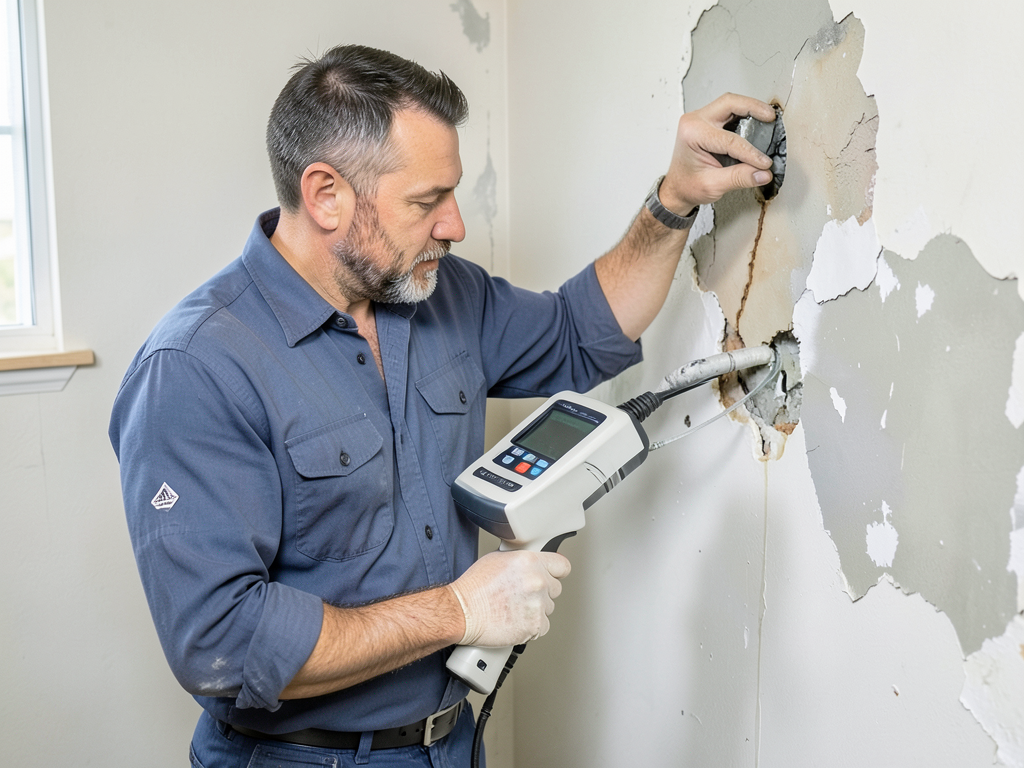
Dealing with water damage when you live in a Columbus HOA or condo association Water…
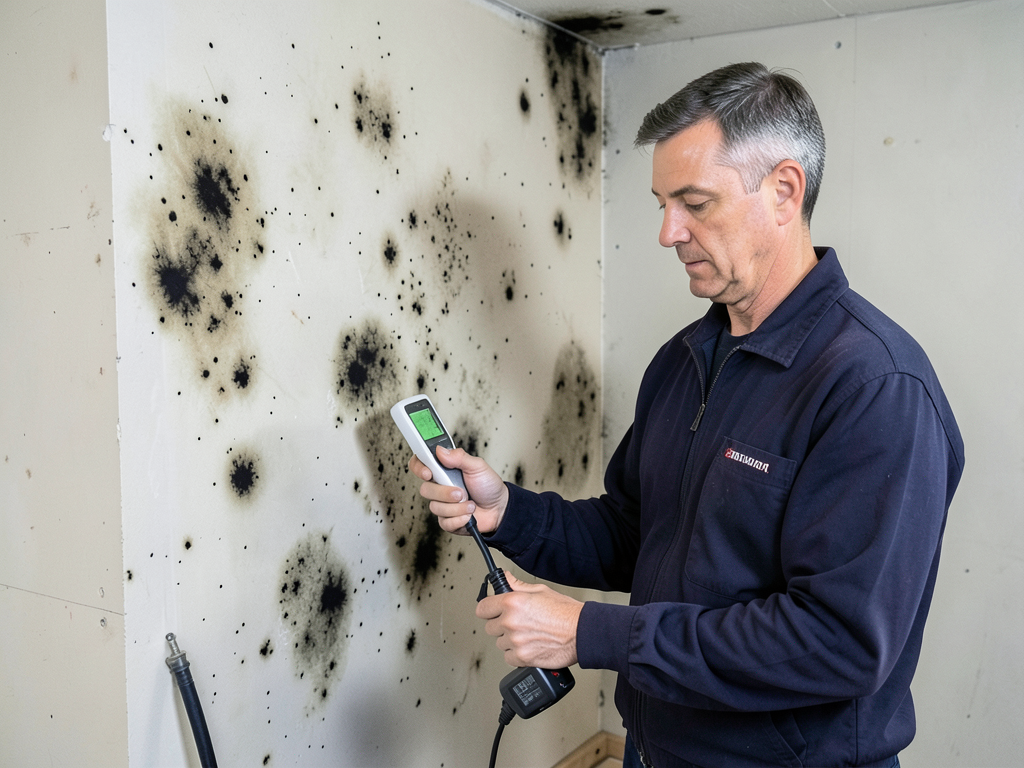
The real difference between common mildew and dangerous black mold in Eastmoor homes Eastmoor homeowners…

Testing your sump pump before the spring rains hit the South Side \n\n Heavy spring…
Water damage gets worse by the hour. Call Five Star Water Damage Restoration Columbus now at (614) 707-7505 for 24/7 emergency response. Our crews are standing by to stop the damage and start the restoration process immediately.