


Reynoldsburg sits in Franklin County where Big Walnut Creek and Blacklick Creek converge, creating flood risk for homes in low-lying areas near Main Street and Summit Road. The city's clay-heavy soil retains moisture, preventing proper drainage around foundations in older neighborhoods like Huber Ridge and Blendon Woods. Spring storms drop heavy rain across central Ohio, overwhelming aging sewer systems in established residential areas. Winter freeze-thaw cycles burst pipes in crawl spaces and attics, especially in homes built before modern insulation standards.
Reynoldsburg's mix of 1960s ranch homes and newer construction in areas near Refugee Road means varying vulnerability to water intrusion. Older properties often lack vapor barriers and proper grading. The city's location along Interstate 70 also means quick access for our emergency crews, but it also means homes experience vibration stress that can crack foundation seals over time. Local building codes require sump pumps in new construction, but thousands of existing homes lack this protection. Understanding these geographic and structural factors helps us respond fast and mitigate damage effectively across every Reynoldsburg neighborhood.
Five Star Water Damage Restoration Columbus has protected Reynoldsburg properties for over a decade, building relationships with homeowners, property managers, and insurance adjusters who know our work meets the highest standards. Our technicians hold IICRC certifications in water damage restoration, applied structural drying, and mold remediation. We invest in continuous training because extraction techniques and drying science evolve constantly.
We maintain a fleet of truck-mounted extractors, industrial dehumidifiers, air movers, and moisture detection equipment positioned to reach any Reynoldsburg address within the hour. When you call our emergency line, you speak directly with a restoration specialist who dispatches a crew immediately, not an answering service that takes messages. We understand that water damage creates chaos. Our job is to bring order, stop the destruction, and give you a clear path forward.
Our approach separates us from competitors who treat every job the same. We assess moisture migration patterns specific to your property type, measure humidity levels in wall cavities, and document everything for your insurance claim. We work with every major carrier and know exactly what documentation they require for fast approval. You should not have to fight your insurance company while your home is soaked. We handle that battle.
Five Star Water Damage Restoration Columbus operates with total transparency. We explain what we find, what we recommend, and why each step matters. We never upsell unnecessary services. If your drywall can be saved, we save it. If it needs replacement, we tell you exactly why. This honesty has earned us hundreds of five-star reviews from Reynoldsburg families who faced disaster and found a partner who actually cared about the outcome.

Our emergency crews reach Reynoldsburg properties within one hour of your call, day or night. We dispatch from strategically located facilities across Franklin County, ensuring fast access to every neighborhood. When water is actively damaging your home, 60 minutes can mean the difference between minor repairs and major reconstruction. We treat every call as the emergency it is.

We document every aspect of water damage with detailed photos, moisture readings, and loss inventories that insurance adjusters need for claim approval. Our team speaks the language of insurance policies and knows how to present restoration costs for maximum coverage. We coordinate directly with your carrier, answer their questions, and fight for fair settlements so you can focus on your family.
Every technician on our team holds current certifications from the Institute of Inspection, Cleaning and Restoration Certification. We complete ongoing training in water extraction, structural drying, antimicrobial application, and mold prevention. Certification is not just a credential. It represents proven competence in the science of moisture control and the techniques that prevent secondary damage to your property.
We live and work in the communities we serve. Our crews know Reynoldsburg streets, understand local building styles, and recognize how seasonal weather patterns affect homes in different neighborhoods. This local knowledge means faster response, better problem-solving, and genuine care for the property we restore. You are not a job number. You are our neighbor facing a crisis.
Water damage takes many forms, from sudden catastrophic flooding to slow leaks that rot structural components over months. Five Star Water Damage Restoration Columbus handles every scenario with specialized equipment and proven protocols. Our service range covers emergency water removal, structural drying, content restoration, mold prevention, and complete reconstruction when needed.
We categorize our water damage response by contamination level and urgency. Clean water from supply line breaks requires different handling than gray water from appliance overflow or black water from sewage backups. Each category demands specific safety protocols, extraction methods, and disposal procedures. Our technicians assess contamination immediately and deploy appropriate protective equipment and antimicrobial treatments.
Reynoldsburg properties face water damage from burst pipes, sewer backups, appliance failures, roof leaks, foundation seepage, and storm flooding. We respond to all of these with the same intensity and expertise. Whether you are standing in six inches of water or noticed a ceiling stain that appeared overnight, we bring industrial-grade solutions and treat your emergency with the seriousness it deserves.
Our truck-mounted extractors remove thousands of gallons per hour from flooded basements, saturated carpets, and standing water on any surface. We deploy submersible pumps for deep flooding and weighted extraction tools for carpet and padding. Speed matters because water migrates into walls, subfloors, and insulation within minutes. We stop that migration, extract all standing water, and begin the drying process immediately. This rapid response prevents secondary damage that multiplies restoration costs.
After extraction, moisture remains trapped in drywall, lumber, insulation, and concrete. Our industrial dehumidifiers and air movers create controlled drying environments that pull moisture from structural components without causing warping or cracking. We monitor humidity levels and material moisture content daily using infrared cameras and penetrating meters. Drying is not complete until every reading returns to normal range. Incomplete drying guarantees mold growth and structural failure within weeks.
Mold spores begin colonizing damp surfaces within 24 to 48 hours. We apply EPA-registered antimicrobial treatments to all affected areas during the drying process, preventing fungal growth before it starts. Our protocol includes HEPA air filtration, containment barriers when needed, and environmental monitoring to ensure safe air quality. If mold is already present when we arrive, we follow IICRC S520 standards for remediation, removing contaminated materials and treating surfaces to prevent recurrence.
Reynoldsburg's housing stock and geography create predictable water damage patterns. Homes in the Blendon Woods area face basement seepage during heavy rain because the water table rises quickly in clay soil. Properties near Blacklick Creek flood when spring storms overwhelm drainage systems. Older homes throughout the city experience pipe failures in winter when temperatures drop below freezing for extended periods.
Appliance failures hit newer subdivisions near Taylor Road and Waggoner Road, where washing machines, water heaters, and dishwashers are all reaching the end of their 10 to 15 year lifespans simultaneously. Roof leaks plague homes with aging shingles, especially after wind storms strip granules and expose underlayment. Sewer backups occur in older neighborhoods where tree roots infiltrate clay pipes laid decades ago. Each problem requires immediate professional response to prevent thousands of dollars in additional damage.
Clay soil prevents water from draining away from foundations. Heavy rain saturates the ground and hydrostatic pressure forces water through foundation cracks, cove joints, and floor seams. Homes without interior or exterior drainage systems flood repeatedly. We extract water, identify entry points, and recommend permanent solutions like sump pump installation and exterior waterproofing to stop future events.
Central Ohio winters bring extended cold snaps that freeze water in uninsulated pipes. When ice expands, copper and PEX lines rupture, releasing hundreds of gallons before homeowners notice. Attic pipes and crawl space lines are most vulnerable. We respond immediately to shut off water, extract flooding, and dry wall cavities before mold takes hold. Prevention includes pipe insulation and maintaining heat in vulnerable areas.
Rubber supply hoses crack after years of pressure cycling and temperature changes. When they burst, high-pressure water floods laundry rooms, hallways, and adjacent spaces in minutes. Second-story laundry rooms create the worst damage because water pours through floors into living areas below. We extract water from all affected levels, remove damaged flooring, and dry structural cavities to prevent rot and mold in hidden spaces.
Tree roots infiltrate aging sewer lines, creating blockages that cause sewage to back up into basements through floor drains and toilets. This black water contains dangerous pathogens requiring specialized handling. We extract contaminated water, remove affected materials like drywall and carpet, disinfect all surfaces with hospital-grade antimicrobials, and restore safe living conditions while coordinating with plumbers who clear the line obstruction.
The moment you call our emergency line at (614) 707-7505, you connect with a trained restoration specialist who takes immediate action. We ask targeted questions about water source, affected areas, and safety concerns. We dispatch a crew to your Reynoldsburg property while still on the phone. You receive a callback with estimated arrival time, usually within 30 minutes of your initial contact.
Our technicians arrive in marked vehicles with all necessary equipment loaded and ready. They conduct a thorough assessment, explain what they find, and outline the restoration plan before starting work. We document everything with photos and moisture readings for your insurance claim. Throughout the process, you receive daily updates on drying progress, timeline adjustments, and next steps.
We understand that water damage creates stress and uncertainty. Our goal is to remove that burden by handling every aspect of restoration professionally and compassionately. You should never wonder what is happening with your property or when you can return to normal life. We communicate clearly, work efficiently, and deliver the results we promise.
Within minutes of arrival, our crew identifies the water source, stops ongoing intrusion if possible, and begins extraction. We use thermal imaging to map moisture migration through walls and floors. You receive a detailed explanation of damage extent, required services, and realistic timeline for completion. We never start work without your full understanding and approval. Emergency stabilization happens first. Detailed restoration planning follows once your property is secure and drying.
Our technicians return daily to check moisture levels, adjust equipment, and document progress. You receive updates via phone or text based on your preference. We explain what readings mean and when specific materials will reach dry standards. If we discover additional damage during the drying process, we notify you immediately and discuss options before proceeding. You stay informed at every stage, never surprised by unexpected costs or delays.
Once all materials reach approved moisture levels, we remove equipment and begin reconstruction if needed. This includes replacing drywall, flooring, trim, and painting to match existing finishes. We conduct a final walkthrough with you, explaining all work completed and answering any questions. You receive complete documentation of the entire restoration process for your records and insurance company. We do not consider the job finished until you are satisfied.
We follow IICRC S500 standards for every water damage restoration project, ensuring consistent quality and complete moisture removal. This structured approach prevents the shortcuts that lead to mold growth and structural failure.
Our certified technicians inspect all affected areas using moisture meters, thermal cameras, and visual examination. We identify water category (clean, gray, or black), measure temperature and humidity, and map the full extent of moisture intrusion. This assessment determines equipment needs, safety protocols, and restoration strategy. We document everything with photos and detailed notes that support your insurance claim and guide our restoration plan.
We remove all standing water using truck-mounted extractors and submersible pumps. Then we position industrial dehumidifiers and air movers to create optimal drying conditions. We monitor temperature, humidity, and material moisture content daily, adjusting equipment placement and settings to accelerate drying without damaging materials. This phase continues until all structural components reach dry standards, typically three to five days depending on severity and materials affected.
After complete drying, we clean and sanitize all affected surfaces. Salvageable materials receive antimicrobial treatment. Unsalvageable materials like soaked insulation and contaminated drywall are removed and disposed of properly. We then rebuild, replacing drywall, flooring, trim, and other components to restore your property to pre-loss condition. Final cleaning ensures your home is move-in ready, with no lingering odors or visible damage.
Water damage restoration is not simply drying wet materials. It requires understanding psychrometrics, material science, and microbial growth conditions. The Institute of Inspection, Cleaning and Restoration Certification publishes the S500 Standard and Reference Guide for Professional Water Damage Restoration, which governs our industry. This standard defines water categories, structural drying goals, and documentation requirements.
Category 1 water comes from sanitary sources like supply lines. Category 2 gray water contains some contamination from appliances or fixtures. Category 3 black water is grossly contaminated and requires specialized handling and disposal. Each category demands different safety protocols and restoration approaches. We test and classify water immediately upon arrival to ensure proper handling.
Structural drying follows established psychrometric principles. We measure temperature, relative humidity, and specific humidity to calculate vapor pressure and drying potential. Dehumidifiers remove moisture from air while air movers increase evaporation rates from wet surfaces. The goal is reducing relative humidity below 60 percent and achieving equilibrium moisture content in all building materials. We use moisture meters calibrated for different materials including wood, drywall, concrete, and carpet.
Ohio Building Code requires certain moisture barriers and ventilation standards in new construction, but older Reynoldsburg homes often lack these protections. We work within existing building constraints while applying modern drying science. Thermal imaging reveals hidden moisture in wall cavities and under flooring that visual inspection misses. Penetrating moisture meters measure water content deep in materials, not just surface dampness.
Mold prevention depends on controlling moisture and time. Most mold species colonize within 24 to 48 hours on damp organic materials. Our rapid response and aggressive drying prevent this colonization. When mold is already present, we follow IICRC S520 standards for mold remediation, which include containment, HEPA filtration, removal of contaminated materials, and treatment of affected surfaces. We never apply antimicrobials over active mold growth. We remove the source first.
The S500 standard defines proper water damage restoration procedures including inspection protocols, water classification, drying goals, and documentation requirements. We follow this standard on every project, ensuring consistent quality and results that meet insurance company expectations. Compliance protects your property and your claim approval. Restoration companies that ignore these standards create liability for homeowners and themselves.
Water damage restoration costs depend on water volume, contamination category, affected materials, and drying time required. Category 3 sewage backups cost more than Category 1 supply line breaks because of safety equipment and disposal requirements. Hardwood floors cost more to dry than concrete. Two-story water intrusion costs more than single-level damage. We provide detailed estimates before starting work so you understand investment required.
Most water damage restoration projects require three to five days of active drying with equipment running continuously. Severe flooding or dense materials like plaster may take seven to ten days. We monitor moisture daily and adjust timeline based on actual readings, not estimates. Drying is complete when materials reach equilibrium moisture content for the local climate. Rushing this process guarantees mold growth and structural problems within weeks.
Most homeowners insurance policies cover sudden and accidental water damage like burst pipes and appliance failures. Gradual leaks and maintenance issues are typically excluded. We document everything to support your claim including photos, moisture readings, equipment logs, and detailed scope of work. Our experience working with major carriers helps us present claims in the format adjusters need for fast approval and fair settlement.
Five Star Water Damage Restoration Columbus serves the entire Reynoldsburg area including established neighborhoods like Blendon Woods, Huber Ridge, and the historic downtown district along Main Street. We respond to emergencies in newer subdivisions off Taylor Road and Waggoner Road where modern homes face appliance failures and supply line issues. Properties near Blacklick Creek require special attention during spring flooding when the creek overflows its banks and inundates low-lying areas.
Our crews know the street layout throughout Reynoldsburg, from the retail corridor along East Main Street to residential areas north of Interstate 70 and south toward Pickerington. We serve homes near Blendon Woods Metro Park where mature trees create beautiful landscapes but also root intrusion problems in older sewer lines. The Refugee Road corridor presents unique challenges with mixed commercial and residential properties requiring different restoration approaches.
Water damage patterns vary across Reynoldsburg based on home age and construction type. Ranch homes built in the 1960s and 1970s often lack vapor barriers and modern waterproofing, making them vulnerable to basement seepage. Two-story colonials in Huber Village face upper-level plumbing failures that cascade down through multiple floors. Townhomes and condos require coordination with property management companies and homeowners associations, which we handle routinely.
We also serve communities adjacent to Reynoldsburg including Pickerington, Whitehall, Gahanna, and parts of Pataskala. Our service area covers all of Franklin County and extends into Licking County and Fairfield County. Location never delays our response. We position equipment and crews strategically to reach any address within the hour.
Reynoldsburg residents trust us because we understand local conditions. We know how seasonal weather affects different neighborhoods. We recognize common construction issues in homes built during specific decades. We have relationships with local plumbers, electricians, and contractors who assist when water damage reveals additional problems. This community knowledge translates to faster diagnosis, better solutions, and complete restoration that addresses root causes, not just symptoms.
We proudly serve the wider Columbus area and its surrounding communities. Our centrally located office allows our emergency response teams to reach your property quickly, no matter where you are. We are committed to being a reliable resource for our neighbors, and our responsive team is always on standby to provide professional assistance when you need it most. We believe that local expertise and a quick response are crucial when dealing with water damage, so we encourage you to view our service area to see if we can help.
Address:
Reynoldsburg, OH, 43068

Smart Water Leak Detectors for Bronzeville Renovations Water damage strikes without warning and can destroy months of renovation work in hours. In Bronzeville’s mix of historic brick and modern builds, hidden leaks threaten everything from…
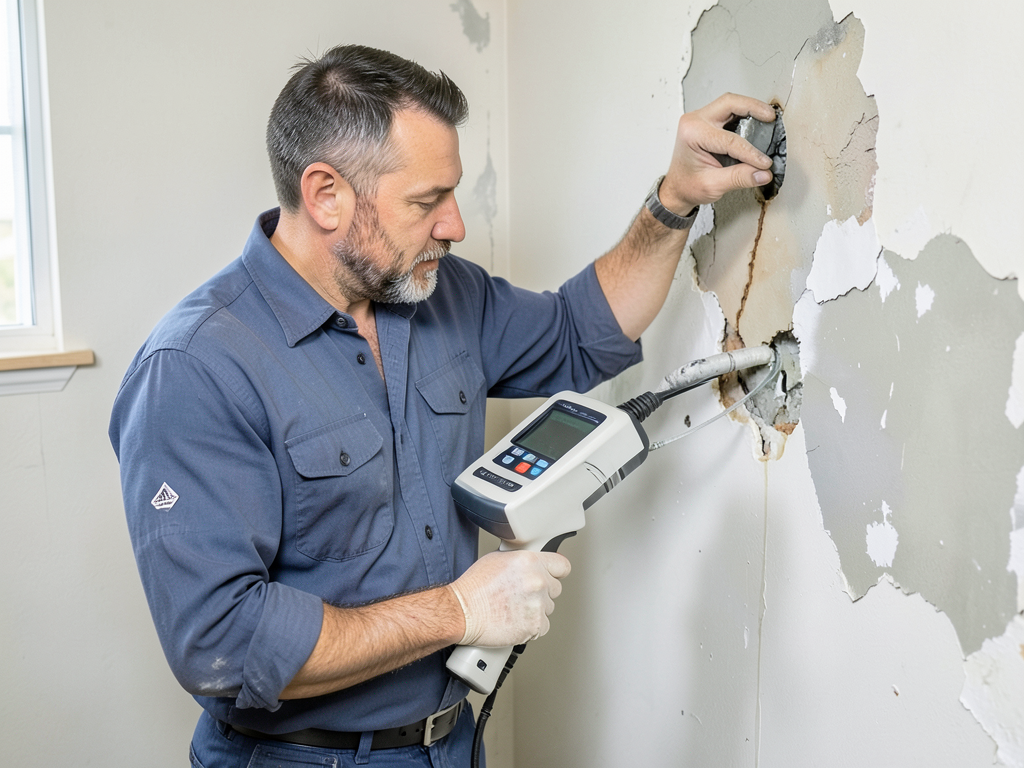
Dealing with water damage when you live in a Columbus HOA or condo association Water…
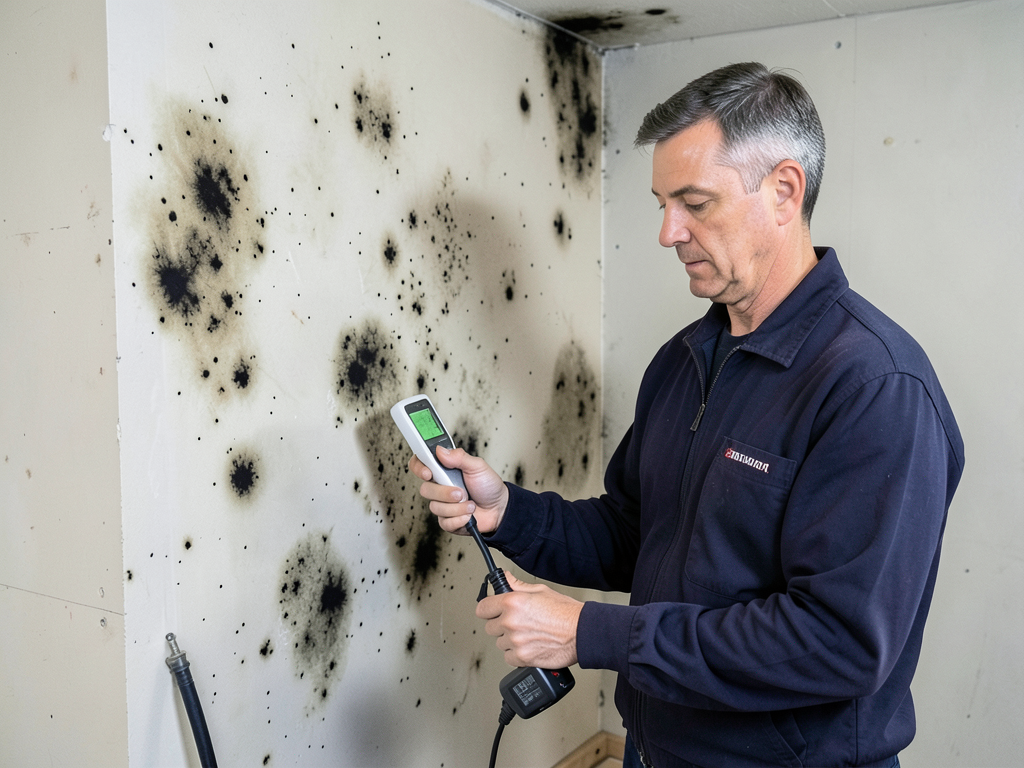
The real difference between common mildew and dangerous black mold in Eastmoor homes Eastmoor homeowners…

Testing your sump pump before the spring rains hit the South Side \n\n Heavy spring…
Do not wait while water destroys your Reynoldsburg property. Call Five Star Water Damage Restoration Columbus at (614) 707-7505 right now. Our emergency line is staffed 24 hours a day, seven days a week. We dispatch crews immediately and arrive within 60 minutes ready to stop the damage and start restoration.