


Whitehall sits in the Big Walnut Creek watershed, where seasonal flooding threatens homes near the creek corridor and properties in low-lying areas around Hamilton Road. Spring thaw cycles and summer storms overwhelm aging storm sewers in older neighborhoods like Rosemore and Georgian Heights, pushing water into basements through foundation cracks and window wells. Many Whitehall homes were built in the 1950s and 1960s with clay tile drainage systems that collapse over time, creating chronic seepage problems.
The freeze-thaw cycle hits Whitehall hard each winter. Temperatures swing above and below freezing multiple times, causing pipes to burst in crawl spaces and attics. Homes near Refugee Road and Main Street with older plumbing face the highest risk. When frozen pipes rupture, water pours into wall cavities and ceiling spaces for hours before homeowners notice the damage.
Whitehall's clay-heavy soil holds moisture against foundations, especially after prolonged rain. Poor grading around homes built on former farmland channels water toward basements instead of away from structures. Without proper waterproofing and drainage, water finds every crack and seam in foundation walls. Quick response matters because water wicks into drywall, insulation, and framing within minutes. Mold spores colonize damp materials within 24 to 48 hours.
Five Star Water Damage Restoration Columbus maintains crews in Whitehall ready to respond to emergencies 24 hours a day. When you call at 3 AM because your water heater failed or sewage backed up into your basement, we dispatch immediately. Our average response time to Whitehall properties is under 60 minutes because we know that every hour of delay means more damage, higher repair costs, and greater risk of mold contamination.
We staff certified water damage technicians trained in IICRC standards for water extraction, structural drying, and microbial remediation. Our crews use thermal imaging cameras to find hidden moisture in walls and ceilings that standard moisture meters miss. We document everything with detailed photos and moisture readings because insurance companies demand proof of damage extent and proper mitigation procedures.
Insurance coordination separates us from competitors who leave you to fight claim denials alone. We know what State Farm, Nationwide, and Progressive adjusters require for documentation. We photograph damage before we touch anything, create detailed estimates that match insurance pricing software, and communicate directly with adjusters to answer technical questions. Most Whitehall homeowners get full claim approval because we provide the documentation insurance companies need.
Our drying equipment includes commercial dehumidifiers that remove 180 pints per day, high-velocity air movers that create proper airflow patterns, and HEPA air scrubbers that capture mold spores and contaminants. We monitor moisture levels twice daily until materials reach dry standard, typically 12 percent moisture content or less for wood framing. We never pull equipment early to move to the next job. Materials stay dry and mold never gets a chance to grow.

Five Star Water Damage Restoration Columbus keeps crews and equipment staged in Whitehall for immediate dispatch. When water pours into your home at midnight or dawn, we arrive within an hour to stop damage progression. Fast response means lower repair costs and less structural damage because water spreads quickly through porous materials.

We handle insurance paperwork, communicate with adjusters, and bill your carrier directly so you never pay out of pocket for covered damage. Our estimators know Xactimate pricing and what documentation State Farm and Nationwide require. Most Whitehall homeowners get full claim approval because we provide photos, moisture readings, and detailed scope that match insurance requirements.
Our water damage technicians hold Institute of Inspection, Cleaning and Restoration Certification credentials in water damage restoration and applied structural drying. We follow industry protocols for moisture mapping, equipment placement, and drying verification. Certified technicians know how to dry structures without causing secondary damage like warping, delamination, or microbial growth.
We know which Whitehall neighborhoods flood during storms, where aging sewer lines back up, and which streets have the oldest plumbing systems. Our crews understand local building construction from the 1950s through today. We work with Whitehall building inspectors and know city permit requirements for major restoration work.
Five Star Water Damage Restoration Columbus provides emergency water removal, structural drying, and complete restoration for residential and commercial properties throughout Whitehall. We handle everything from minor leaks to catastrophic flooding with the same attention to thoroughness and documentation. Our service range covers water extraction, moisture detection, dehumidification, antimicrobial treatment, content pack-out and storage, and full reconstruction.
We respond to burst pipes, water heater failures, sewage backups, appliance leaks, roof leaks, foundation seepage, storm flooding, and fire sprinkler discharge. Each water damage scenario requires different equipment and techniques. Clean water from a supply line needs basic extraction and drying. Sewage contamination requires antimicrobial treatment and disposal of porous materials. We adjust our approach based on contamination level, affected materials, and extent of saturation.
Water damage remediation means stopping damage progression immediately, then drying structural materials to prevent mold growth and wood rot. We extract standing water with truck-mounted pumps and portable extractors, remove wet contents to prevent further damage, set up drying equipment in optimal configurations, and monitor moisture levels until everything reaches dry standard. Insurance companies require proper mitigation to approve claims, so we document every step with photos and daily moisture logs.
When water floods your Whitehall home, immediate extraction prevents damage from spreading into walls, subfloors, and structural framing. Five Star Water Damage Restoration Columbus uses truck-mounted extractors that remove thousands of gallons per hour from basements and crawl spaces. We pull up soaked carpeting and padding, extract water from hardwood floors before they cup and buckle, and remove standing water from tile and concrete before it wicks into adjacent materials. Speed matters because drywall wicks water vertically at several inches per hour, ruining walls that could have been saved with faster response.
After water extraction, structural materials remain saturated and require controlled drying to prevent microbial growth and warping. We place commercial dehumidifiers and air movers throughout affected areas to create proper drying conditions. Thermal imaging cameras identify hidden moisture in wall cavities and ceiling spaces that moisture meters miss. We monitor humidity levels and material moisture content twice daily, adjusting equipment placement until everything reaches dry standard. Most structures dry completely within three to five days when equipment runs continuously. We never remove equipment early because damp materials breed mold and rot.
Sewage backups and toilet overflows require specialized cleaning procedures because contaminated water carries bacteria, viruses, and parasites. Five Star Water Damage Restoration Columbus technicians wear protective equipment during sewage cleanup and follow IICRC S500 protocols for category three water damage. We remove contaminated materials like carpeting, padding, and drywall that cannot be safely cleaned. Hard surfaces get antimicrobial treatment with EPA-registered disinfectants. Air scrubbers with HEPA filters capture airborne contaminants during cleanup. Whitehall homes with older sewer lines face backups during heavy rain when the city system overloads.
Whitehall's housing stock and geography create predictable water damage patterns that affect thousands of properties each year. Older neighborhoods built before modern building codes have foundation drainage issues, outdated plumbing systems, and inadequate waterproofing. Properties near Big Walnut Creek and its tributaries face flood risk during spring thaw and summer storms. Even newer homes experience water damage from failed appliances, roof leaks, and frozen pipes during winter temperature swings.
Understanding common water damage causes helps homeowners spot problems early before minor leaks become major disasters. A small drip under a kitchen sink seems harmless but saturates cabinet materials and subfloors over weeks, creating mold growth and structural damage. Condensation on cold water pipes in uninsulated crawl spaces drips onto insulation and joists, causing rot that compromises floor support. Water stains on ceilings indicate active roof leaks or plumbing failures in walls that spread damage throughout the structure. These problems worsen rapidly once water finds porous materials like drywall, insulation, and wood framing.
Heavy rain overwhelms Whitehall's aging storm sewer system, pushing water into basements through floor drains and foundation cracks. Properties in low areas near Hamilton Road and Main Street flood repeatedly during spring storms. Sump pumps fail when power goes out or motors burn out during prolonged rain. Water rises several inches deep in finished basements, saturating drywall, carpeting, and stored belongings.
Whitehall winters bring repeated freezing and thawing that bursts copper and galvanized pipes in attics, crawl spaces, and exterior walls. Homes built in the 1950s and 1960s have minimal insulation around plumbing. When temperatures drop below 20 degrees for several days, pipes freeze solid. Ice expansion cracks pipe walls, then water gushes when pipes thaw, flooding rooms for hours before homeowners discover the leak.
Water heaters last 10 to 12 years before corrosion causes tank failures. Whitehall's hard water accelerates sediment buildup and rust formation inside tanks. When tanks rupture, 40 to 50 gallons flood laundry rooms, basements, and garages within minutes. Slow leaks from corroded drain valves and connections drip onto floors for weeks, saturating subfloors and creating hidden mold growth behind walls.
Clay tile sewer lines under older Whitehall homes crack and separate over time, allowing tree roots to infiltrate and block flow. Heavy rain adds groundwater to the sanitary sewer system through cracked pipes, overwhelming capacity and pushing sewage back into homes through basement floor drains and toilets. Sewage contamination requires professional cleanup because bacteria and pathogens create health hazards that persist after visible water disappears.
Water damage emergencies create panic and confusion. You discover water pouring from a ceiling, pooling across floors, or rising in your basement, and you need help immediately. Five Star Water Damage Restoration Columbus answers emergency calls 24 hours a day and walks you through initial damage control while crews drive to your Whitehall property.
When you call, our dispatcher asks about water source, affected areas, and whether electricity is safe. We tell you to shut off water supply if a pipe burst, move valuables to dry areas if possible, and stay out of contaminated water from sewage backups. We confirm your address and insurance information, then dispatch the nearest crew with appropriate equipment. You get a callback within minutes confirming estimated arrival time, usually under an hour for Whitehall properties.
Our crew arrives in marked vehicles with industrial water extraction equipment, dehumidifiers, air movers, and moisture detection tools. The crew chief introduces the team, inspects all affected areas, and explains what needs to happen immediately to stop damage progression. We take extensive photos before touching anything because insurance companies require documentation of initial damage conditions. You receive clear communication about timeline, process, and what to expect each day until your property is completely dry and restored.
Our crew inspects every affected area to map damage extent and identify hidden moisture. We use thermal imaging cameras to see water inside walls and ceilings without cutting holes. Moisture meters measure saturation levels in floors, walls, and structural materials. We extract standing water immediately with truck-mounted pumps and portable extractors, pull up soaked carpeting and padding, and remove bulk water from all surfaces. The crew chief explains findings, shows you moisture readings, and reviews the mitigation plan.
After water extraction, we place commercial dehumidifiers and high-velocity air movers throughout affected areas to create optimal drying conditions. Equipment runs continuously, and technicians visit twice daily to take moisture readings and adjust equipment placement. We track progress on moisture logs that insurance adjusters require. You get daily updates on drying progress and projected completion timeline. Most structures reach dry standard within three to five days when equipment operates without interruption.
We photograph everything, log moisture readings twice daily, and create detailed estimates using Xactimate software that insurance companies accept. Our project manager communicates directly with your adjuster to answer questions and provide technical documentation. When materials reach dry standard, we take final moisture readings and photographs proving complete drying. You receive a full report showing initial conditions, daily progress, and final verification. Equipment stays in place until you and your insurance company approve removal.
Five Star Water Damage Restoration Columbus follows a proven three-phase approach that stops damage immediately, dries structures completely, and restores your Whitehall property to pre-loss condition. This systematic process ensures nothing gets missed and insurance documentation meets carrier requirements.
Within 60 minutes of your call, our crew arrives to stop water damage progression. We shut off water sources, extract standing water, remove soaked materials that cannot be saved, and protect undamaged areas with plastic barriers. Emergency mitigation prevents damage from spreading into dry materials and reduces total repair costs. We photograph everything before starting work and document initial moisture readings throughout affected areas for insurance purposes.
Commercial dehumidifiers and air movers run continuously to dry structural materials. Technicians visit twice daily to measure moisture levels in floors, walls, and ceilings. We adjust equipment placement based on drying progress and environmental conditions. Thermal imaging identifies hidden moisture pockets that require additional attention. This phase typically takes three to five days depending on materials affected and saturation extent. Equipment stays until everything reaches dry standard verified by moisture meters.
Once structures are completely dry, our reconstruction team rebuilds damaged areas. We replace drywall, install new flooring, paint walls and ceilings, and restore your Whitehall home to pre-loss condition. Our crews handle everything from minor repairs to complete room reconstruction. You work with one company from emergency call through final walkthrough. We warranty all restoration work and ensure building inspectors approve any structural repairs.
Professional water damage restoration follows Institute of Inspection, Cleaning and Restoration Certification standards that define contamination levels, affected material categories, and drying verification protocols. Insurance companies require IICRC compliance for claim approval, and proper restoration prevents long-term problems like mold growth, structural damage, and indoor air quality issues.
Water damage classification determines cleaning procedures and which materials can be saved versus requiring disposal. Category one water comes from clean sources like supply lines and rainwater, posing minimal contamination risk if dried quickly. Category two water contains chemical or biological contamination from sources like washing machine discharge, dishwasher overflows, and toilet bowls without feces. Category three water includes sewage, flooding from rivers and streams, and any standing water that sat more than 72 hours. Contamination level determines whether materials can be cleaned or must be removed and disposed of properly.
Material porosity affects drying requirements and salvageability. Class one damage involves minimal water absorption in materials like concrete and hardwood. Class two affects entire rooms with significant carpet and cushion saturation. Class three indicates ceiling, walls, insulation, and structural materials are saturated from overhead sources. Class four includes specialty drying situations like hardwood floors, plaster, and concrete that require extended drying time and special techniques.
Proper drying verification prevents callbacks for mold growth and structural problems months after restoration seems complete. Five Star Water Damage Restoration Columbus monitors moisture content in affected materials twice daily until readings match unaffected areas of your home. Wood framing should reach 12 percent moisture content or less, concrete subfloors 4.5 percent or less, and drywall 1.0 percent or less on a moisture meter scale. We document all readings with dated logs that prove complete drying to insurance adjusters and prevent future disputes about work quality.
The IICRC S500 Standard and Reference Guide for Professional Water Damage Restoration defines industry protocols for assessment, mitigation, and restoration. Five Star Water Damage Restoration Columbus technicians follow these standards for contamination categories, material classifications, drying goals, and antimicrobial treatment. Compliance ensures insurance approval and prevents restoration failures that create secondary damage like mold growth and structural rot.
Restoration costs depend on water volume, contamination level, affected materials, and drying complexity. Clean water damage to concrete floors costs less than sewage contamination in finished living spaces. Structural drying for 100 square feet takes three to five days of equipment runtime and monitoring. Most Whitehall homeowners pay nothing out of pocket because insurance covers water damage mitigation and restoration after meeting policy deductibles.
Structural drying takes three to seven days depending on materials affected, saturation extent, and environmental conditions. Concrete basement floors dry faster than finished drywall and carpeting in living spaces. High humidity during summer extends drying time. Our crews monitor progress twice daily and adjust equipment placement to optimize airflow and dehumidification. We never pull equipment early because incomplete drying causes mold growth and rot within weeks.
Major water damage restoration affecting structural elements requires permits from Whitehall building inspectors. Foundation repairs, electrical system replacement, and structural framing modifications need plan review and inspection approval. Five Star Water Damage Restoration Columbus handles permit applications and schedules required inspections. Our work meets Ohio Residential Code requirements for moisture protection, ventilation, and structural integrity. Licensed contractors ensure code compliance and prevent problems during property sales.
Five Star Water Damage Restoration Columbus serves residential and commercial properties throughout Whitehall and surrounding Franklin County communities. Our coverage area includes the entire Whitehall city limits from Big Walnut Creek on the east to James Road on the west, and from Interstate 70 south to Refugee Road. We maintain rapid response capability to neighborhoods including Rosemore, Georgian Heights, Yearling Meadows, and the Hamilton Road corridor.
Properties in older Whitehall neighborhoods like Rosemore and the areas around Whitehall Community Park face unique water damage risks from aging infrastructure and mature trees. Homes built in the 1950s and 1960s have clay tile drainage systems that collapse over time, creating chronic basement seepage. Foundation waterproofing standards were minimal when these houses were constructed, so groundwater infiltration affects hundreds of properties during spring thaw and heavy summer rain. We know which streets flood predictably and which basements have recurring moisture problems because we respond to the same areas repeatedly.
East Whitehall properties near Big Walnut Creek face flood risk during storms when the creek overflows into adjacent properties. The 100-year flood plain extends into residential areas, and older homes lack the elevation required by current FEMA standards. We work with homeowners who experience repeated flooding to implement permanent solutions like sump pump systems, foundation waterproofing, and improved grading. Our crews understand local topography and drainage patterns that affect water damage risk throughout East Whitehall.
The Hamilton Road commercial corridor brings different water damage challenges. Retail properties, restaurants, and office buildings have complex plumbing systems, large roof areas that leak, and HVAC condensation problems. We handle commercial water damage requiring minimal business interruption, working overnight and on weekends to restore operations quickly. Commercial clients need fast response and discretion to protect their reputation, and we provide both without compromise.
West Whitehall properties near Etna Parkway and Hamilton Quarter include newer construction with modern building codes, but water damage still occurs from appliance failures, plumbing leaks, and storm damage. These homes have central air conditioning systems that create condensation problems when drain lines clog. Finished basements with expensive entertainment systems and furniture require careful content protection during water extraction and drying. We treat every home with the same attention to detail regardless of age or value.
Our service area extends beyond Whitehall proper to include Bexley, Reynoldsburg, Gahanna, and eastern Columbus neighborhoods. We respond throughout Franklin County when water damage strikes, bringing the same rapid response and professional restoration standards to every property. Geographic proximity means faster response times and better understanding of local construction characteristics, flood patterns, and building department requirements that affect restoration projects.
We proudly serve the wider Columbus area and its surrounding communities. Our centrally located office allows our emergency response teams to reach your property quickly, no matter where you are. We are committed to being a reliable resource for our neighbors, and our responsive team is always on standby to provide professional assistance when you need it most. We believe that local expertise and a quick response are crucial when dealing with water damage, so we encourage you to view our service area to see if we can help.
Address:
Whitehall, OH, 43213

Smart Water Leak Detectors for Bronzeville Renovations Water damage strikes without warning and can destroy months of renovation work in hours. In Bronzeville’s mix of historic brick and modern builds, hidden leaks threaten everything from…
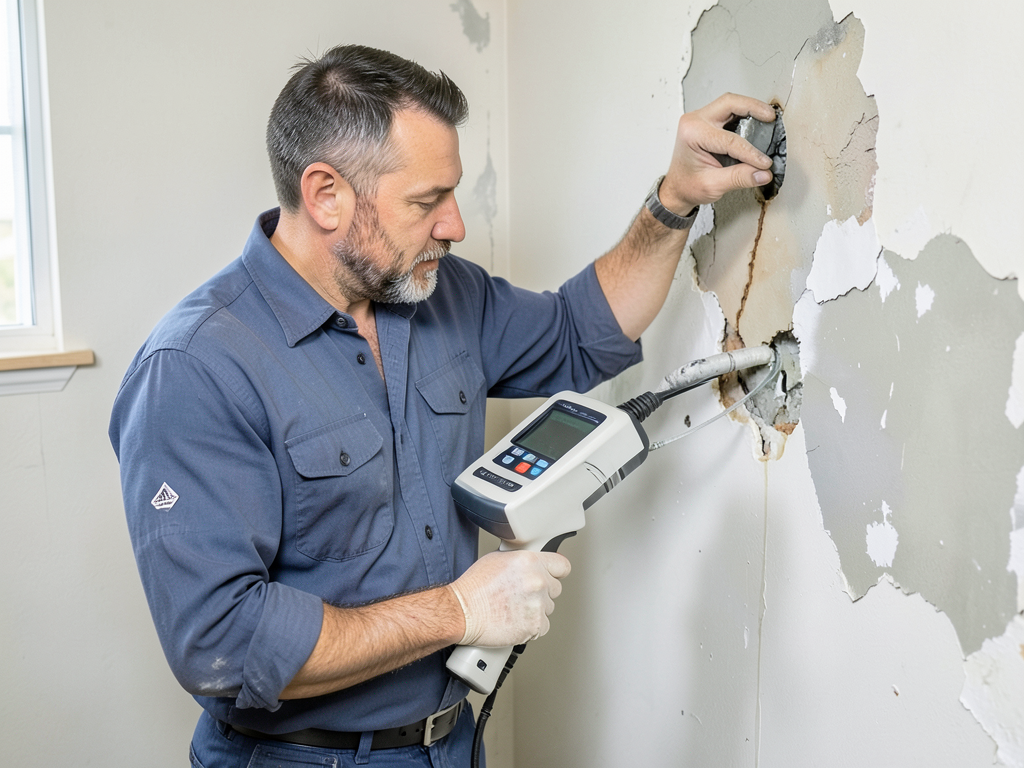
Dealing with water damage when you live in a Columbus HOA or condo association Water…
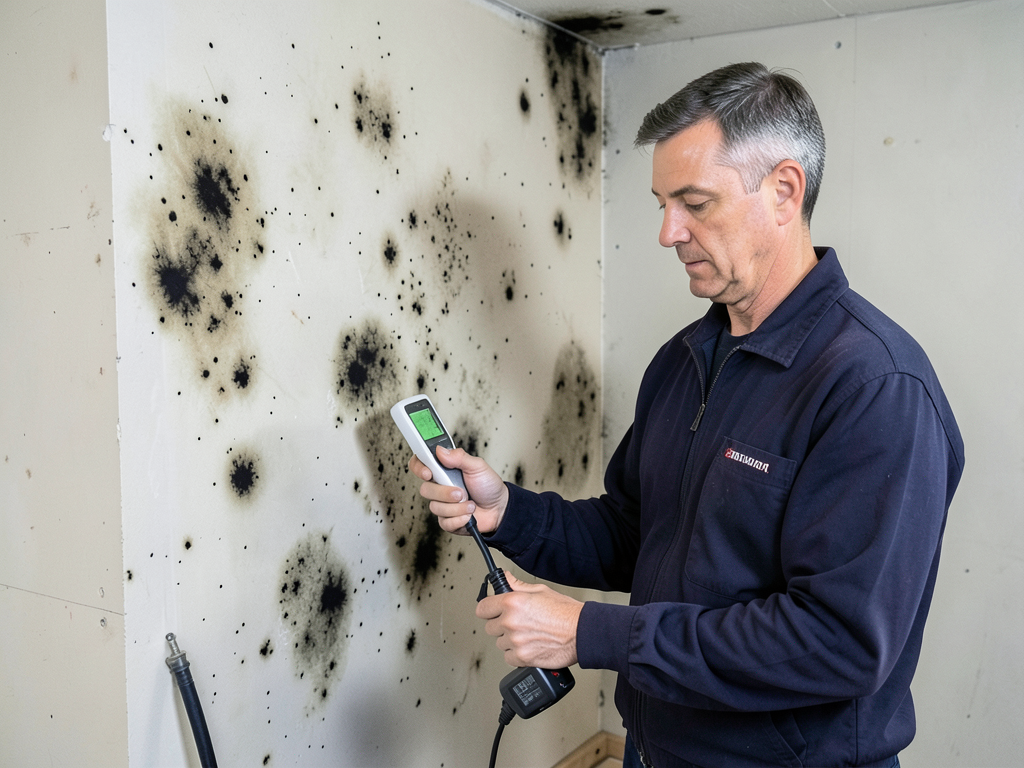
The real difference between common mildew and dangerous black mold in Eastmoor homes Eastmoor homeowners…

Testing your sump pump before the spring rains hit the South Side \n\n Heavy spring…
Water damage spreads every minute you wait. Five Star Water Damage Restoration Columbus answers emergency calls 24 hours a day and dispatches crews to Whitehall properties within 60 minutes. Call (614) 707-7505 now to stop damage before it destroys your home. We work directly with your insurance company and handle everything from water extraction through complete restoration.