Menu

Water Mitigation vs Restoration in Columbus – Know the Difference Before You Pay Twice

Understanding water damage mitigation vs restoration protects Columbus homeowners from overpaying for incomplete work or delaying critical repairs that lead to mold, structural damage, and insurance claim complications.

Slider Image 1
Slider Image 2
Slider Image 3
Slider Image 4
Slider Image 5
Slider Image 7
Slider Image 8
Slider Image 9
Slider Image 10
Slider Image 11

Why Columbus Property Owners Need to Understand the Difference Between Water Mitigation and Restoration

When water damages your Columbus property, you face two distinct phases of recovery. The difference between water mitigation and restoration determines whether you stop the damage in time or watch repair bills multiply.

Columbus sits in a humid subtropical climate zone where moisture does not evaporate quickly. When a pipe bursts in German Village or a roof leak saturates your Short North attic, you have a narrow window before secondary damage begins. Water mitigation vs restoration is not a choice between two services. It is a sequence. Mitigation happens first. Restoration happens after.

Water damage mitigation means emergency response. Technicians extract standing water, remove wet materials, and deploy industrial dehumidifiers to dry the structure. The goal is to stop additional damage. You are racing against mold growth, which begins within 24 to 48 hours in Columbus's average humidity levels.

Water remediation vs restoration often confuses property owners. Remediation is another term for mitigation. Both describe the immediate response. Restoration is the rebuild. After mitigation dries the structure, restoration repairs what water destroyed. This includes drywall replacement, subfloor repairs, cabinet reinstallation, and paint.

Mitigation vs reconstruction creates another layer of confusion. Reconstruction is large-scale restoration. If water destroys multiple rooms or requires structural repairs, you move from restoration into reconstruction. Columbus homes built on clay soil face foundation movement. Water damage compounds these issues. Understanding water cleanup vs water repair clarifies the timeline. Cleanup is mitigation. Repair is restoration. Both are necessary. Neither is optional.

Why Columbus Property Owners Need to Understand the Difference Between Water Mitigation and Restoration
How Water Mitigation and Restoration Work Together to Save Your Columbus Property

How Water Mitigation and Restoration Work Together to Save Your Columbus Property

Water mitigation begins the moment you call. Technicians arrive with truck-mounted extraction units, thermal imaging cameras, and moisture meters. The extraction process removes visible water from carpets, hardwood, and concrete slabs. Technicians measure moisture content in wall cavities, under cabinets, and inside ceiling spaces. These readings determine equipment placement.

Air movers and commercial dehumidifiers create a controlled drying environment. Columbus homes with brick exteriors and plaster walls require different drying strategies than newer vinyl-sided builds. Older homes in Clintonville and Bexley trap moisture in plaster and lathe. Technicians adjust airflow and dehumidification capacity based on construction type.

Mitigation lasts three to five days for most residential water damage. Technicians monitor moisture levels daily. When readings drop below industry thresholds, mitigation ends. Documentation includes moisture logs, equipment placement photos, and daily progress reports. Insurance adjusters require this documentation for claims processing.

Restoration starts after mitigation confirms the structure is dry. Contractors assess damaged materials. Drywall with Category 3 water exposure gets removed and replaced. Hardwood floors cupped from water absorption may need refinishing or replacement. Baseboards, trim, and cabinetry often require removal during mitigation and reinstallation during restoration.

The water damage mitigation vs restoration timeline depends on damage extent. A single-room toilet overflow might complete mitigation in three days and restoration in one week. A full-basement flood in a Columbus ranch home with finished lower levels can require two weeks of mitigation and six weeks of restoration. Structural drying cannot be rushed. Columbus's humidity slows evaporation. Cutting mitigation short to start restoration guarantees mold growth and failed repairs.

What Happens During Your Water Damage Recovery in Columbus

Water Mitigation vs Restoration in Columbus – Know the Difference Before You Pay Twice
01

Emergency Water Extraction

Technicians arrive within hours of your call and begin extracting standing water with truck-mounted pumps and portable extractors. They document the water source, measure affected square footage, and photograph damage for insurance documentation. You receive an initial scope of work before equipment deployment. This phase prioritizes speed to minimize secondary damage.
02

Controlled Structural Drying

Industrial dehumidifiers and air movers operate continuously for three to seven days to remove moisture from building materials. Technicians monitor moisture levels in walls, floors, and ceilings using thermal imaging and penetrating moisture meters. They adjust equipment placement based on daily readings. This phase cannot be shortened without risking mold contamination and material failure during restoration.
03

Rebuild and Restoration

After mitigation confirms the structure is dry, restoration contractors rebuild damaged areas. This includes drywall installation, flooring replacement, cabinet reinstallation, trim work, and paint. The scope matches your insurance claim documentation from the mitigation phase. You receive a completion walkthrough to verify all repairs meet code requirements and match pre-loss conditions. Final moisture verification ensures no hidden dampness remains.

Why Columbus Property Owners Choose Local Water Damage Experts Who Understand Both Phases

Water damage companies operating in Columbus must understand local construction. Homes in German Village feature brick exteriors and solid plaster walls. These materials hold moisture longer than modern drywall. Mitigation strategies that work in suburban tract homes fail in historic districts. Technicians need experience with Columbus's housing stock to avoid under-drying or over-drying.

Columbus building codes require specific procedures for Category 2 and Category 3 water damage. Category 2 water comes from appliance leaks, toilet overflows, and washing machine failures. Category 3 water includes sewage backups and flood water. The city of Columbus enforces strict disposal requirements for contaminated materials. Companies without local code knowledge create liability for property owners.

Insurance claims processing in Franklin County follows specific protocols. Adjusters expect detailed moisture documentation, equipment logs, and photo evidence. Companies that skip documentation or provide incomplete mitigation reports delay claims processing. Columbus homeowners wait months for reimbursement when contractors fail to document properly.

Five Star Water Damage Restoration Columbus operates with local crews who understand regional construction methods, municipal code requirements, and insurance claim procedures specific to Franklin County. Our technicians train on moisture dynamics in Columbus's humid climate. We document every phase of mitigation for smooth restoration transitions.

Columbus experiences water damage spikes during spring storms and winter freeze-thaw cycles. Burst pipes dominate January and February calls. Summer humidity creates condensation issues in poorly ventilated crawl spaces. Local expertise means faster response because we anticipate seasonal damage patterns and maintain equipment inventory for peak demand periods.

What to Expect When You Call for Water Damage Help in Columbus

Response Time and Availability

Water mitigation requires immediate response. Delays measured in hours increase damage exponentially. Five Star Water Damage Restoration Columbus maintains 24-hour dispatch with technicians on standby across the metro area. You receive an arrival time estimate when you call. Most Columbus locations see technicians on-site within 90 minutes. Emergency response includes weekends, holidays, and overnight hours. Water does not wait for business hours. Neither do we. Extraction equipment deploys immediately upon arrival to stop additional saturation.

Initial Assessment and Scope Development

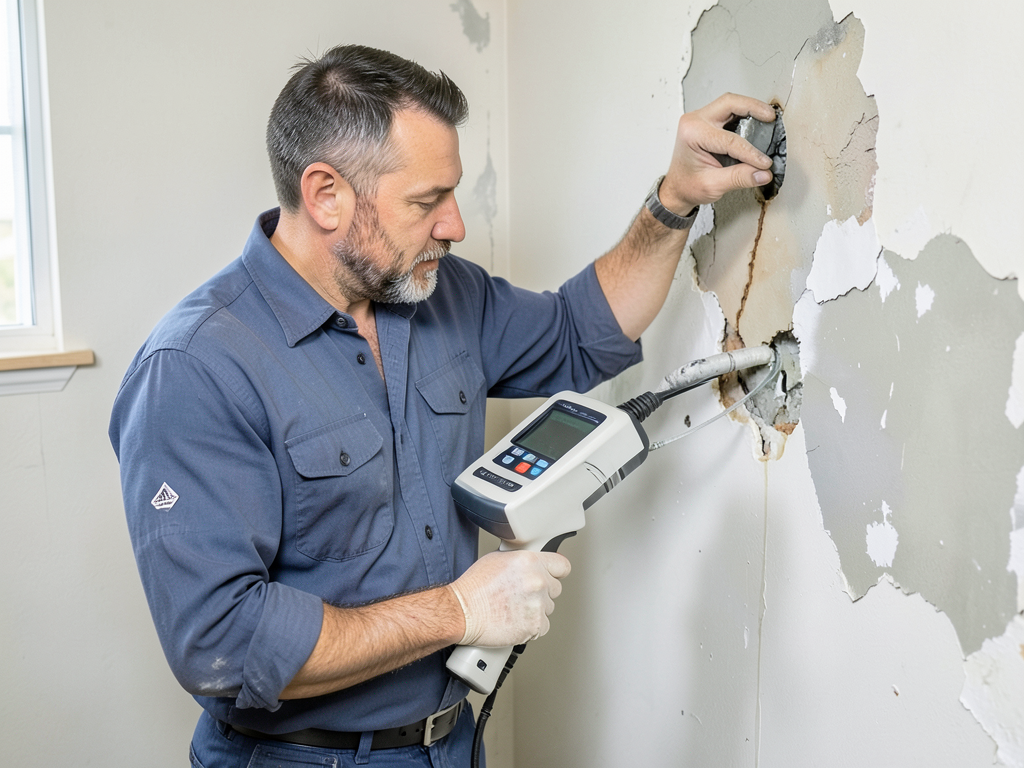
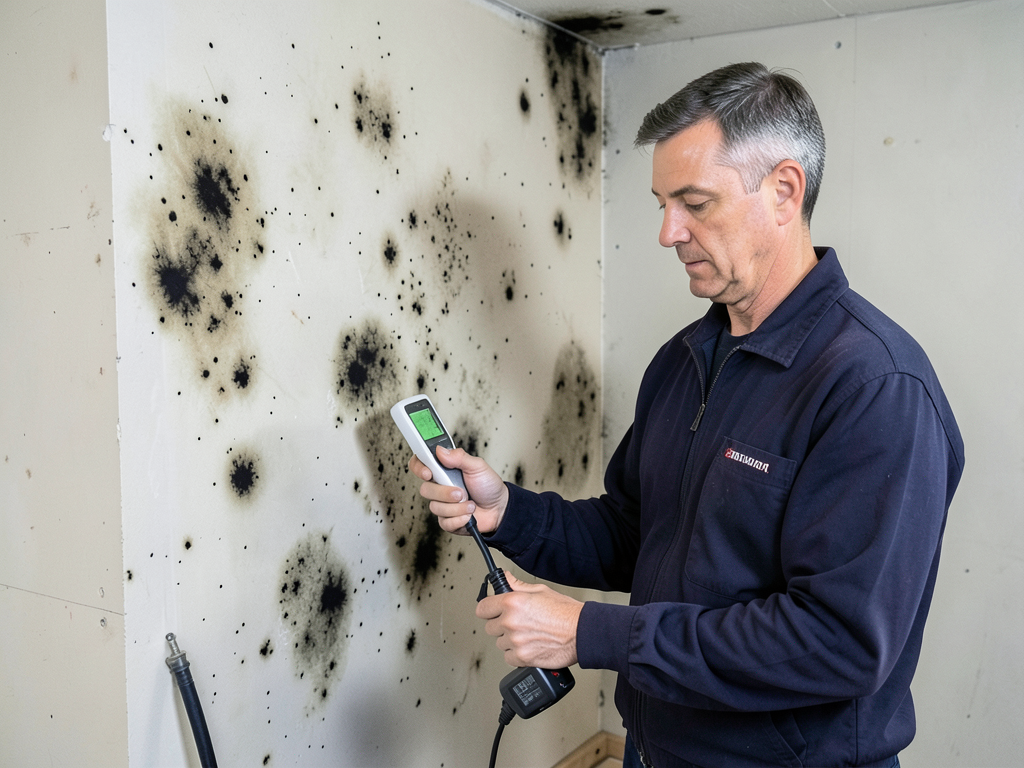
Technicians conduct a complete moisture assessment using thermal imaging cameras and penetrating moisture meters. The assessment identifies hidden moisture in wall cavities, subfloors, and ceiling spaces. You receive a written scope of work detailing affected areas, required equipment, and estimated mitigation timeline. This documentation serves as your insurance claim foundation. Technicians photograph damage progression and document water source classification. The assessment takes 30 to 60 minutes depending on property size. You approve the scope before equipment deployment begins.

Mitigation Results and Drying Verification

Successful mitigation means moisture levels return to normal ranges before restoration begins. Technicians provide daily moisture readings showing drying progress. Final verification includes comprehensive moisture mapping to confirm no hidden dampness remains. You receive a completion certificate with moisture documentation showing the structure meets industry drying standards. This certificate protects you from future mold claims and validates insurance reimbursement. Restoration cannot begin until verification confirms complete structural drying. Rushing this phase guarantees future problems.

Restoration Coordination and Project Management

Restoration scheduling begins during the final days of mitigation. Project managers coordinate material ordering, subcontractor scheduling, and inspection requirements. You receive a restoration timeline with material selection deadlines and construction milestones. Columbus building permits may be required for extensive repairs. Project managers handle permit applications and inspection scheduling. Restoration includes progress updates at key milestones and a final walkthrough before project closeout. Most residential restoration projects complete within two to four weeks after mitigation ends. Complex projects involving structural repairs extend timelines based on scope.

Frequently Asked Questions

You Have Questions,
We Have Answers

What is the difference between water mitigation and restoration? +

Water mitigation stops active damage from getting worse. You extract standing water, dry out wet materials, and stabilize the property. Think emergency triage. Water restoration rebuilds what was damaged after mitigation work finishes. You repair drywall, replace flooring, repaint walls, and return the space to pre-loss condition. Mitigation happens first, within hours of the event. Restoration follows days or weeks later. Columbus homes often face both burst pipe flooding in winter and basement seepage during spring storms. You need mitigation to halt spread, then restoration to make the space livable again. Two phases, one complete solution.

What is mitigation and restoration? +

Mitigation prevents further loss after an incident occurs. You shut off the water source, remove standing water, dry affected materials, and apply antimicrobials to prevent mold. Restoration rebuilds and repairs damaged structures. You replace flooring, repair walls, restore electrical systems, and return the property to functional condition. In Columbus, quick mitigation matters during freeze-thaw cycles that burst pipes or during heavy rainfall that floods basements. The mitigation team stabilizes your property fast. The restoration team follows with reconstruction work. Both phases work together, but mitigation always comes first to minimize total damage and costs.

What does water mitigation mean? +

Water mitigation means immediate action to reduce water damage severity. You extract standing water using pumps and vacuums, remove soaked materials like padding or insulation, set up industrial dehumidifiers and air movers, and dry structural elements before mold grows. In Columbus, you face high humidity summers that accelerate mold growth after water events. Mitigation teams respond within hours, not days. The goal is stopping secondary damage like warping floors, swelling drywall, or microbial contamination. Mitigation saves you money by preventing a small leak from becoming a total gut job. Fast response equals less destruction.

What is the difference between remediation and restoration? +

Remediation removes contamination or hazards like mold, sewage, or biohazards. You contain the affected area, remove contaminated materials, disinfect surfaces, and test air quality. Restoration rebuilds structures damaged by water, fire, or other events. You repair walls, install new flooring, and return rooms to usable condition. Columbus properties with basement flooding often need both. If sewage backs up during heavy storms, you need remediation to eliminate pathogens before restoration work begins. Remediation addresses health risks. Restoration addresses physical damage. Both may overlap in severe cases, but remediation focuses on safety while restoration focuses on rebuilding.

How Columbus Humidity and Seasonal Flooding Impact Water Mitigation Response Times

Columbus averages 65 percent relative humidity year-round. Summer humidity spikes above 80 percent create challenging drying conditions. Water evaporates slowly in high humidity. Mitigation equipment must compensate for ambient moisture that slows natural evaporation. Spring storms bring flash flooding to low-lying areas along the Scioto River and Olentangy River corridors. Properties in Franklinton and the Brewery District face recurring flood risk. These areas require rapid mitigation response because flood water classification as Category 3 demands aggressive material removal and antimicrobial treatment. Columbus clay soil drains poorly. Water collects in basements and crawl spaces long after surface flooding recedes.

Five Star Water Damage Restoration Columbus maintains relationships with Franklin County building inspectors and local insurance adjusters who process water damage claims daily. Our technicians understand Columbus municipal code requirements for demolition, disposal, and reconstruction permits. We know which Columbus neighborhoods require historic preservation approvals before restoration work begins. Local expertise means faster project completion because we anticipate permitting timelines, material lead times for period-correct restoration materials, and inspection scheduling. Columbus property owners benefit from working with contractors who operate exclusively in the local market and maintain established relationships with municipal authorities.
Water Damage Restoration Services in The Columbus Area

We proudly serve the wider Columbus area and its surrounding communities. Our centrally located office allows our emergency response teams to reach your property quickly, no matter where you are. We are committed to being a reliable resource for our neighbors, and our responsive team is always on standby to provide professional assistance when you need it most. We believe that local expertise and a quick response are crucial when dealing with water damage, so we encourage you to view our service area to see if we can help.

Address:
Five Star Water Damage Restoration Columbus, 601 N High St, Columbus, OH, 43215

Additional Services We Offer

Our news updates

Latest Articles & News from The Blogs

Dealing with water damage when you live in a Columbus HOA or condo association Water damage in a Columbus condo…

Dealing with water damage when you live in a Columbus HOA or condo association

Dealing with water damage when you live in a Columbus HOA or condo association Water damage in a Columbus condo…

The real difference between common mildew and dangerous black mold in Eastmoor homes

The real difference between common mildew and dangerous black mold in Eastmoor homes Eastmoor homeowners often spot dark patches in…

Testing your sump pump before the spring rains hit the South Side

Testing your sump pump before the spring rains hit the South Side \n\n Heavy spring rains combined with the clay-rich…

Contact Us

Water damage spreads every hour you wait. Call Five Star Water Damage Restoration Columbus now at (614) 707-7505 for immediate mitigation response. Our Columbus crews deploy extraction equipment within 90 minutes to stop additional damage and begin structural drying.