Menu

Water Stains on Drywall in Columbus – Expert Diagnosis Before Mold Takes Hold

Get professional moisture mapping and thermal imaging to find the hidden water source behind your water stains on drywall before structural damage spreads through your Columbus home.

Slider Image 1
Slider Image 2
Slider Image 3
Slider Image 4
Slider Image 5
Slider Image 7
Slider Image 8
Slider Image 9
Slider Image 10
Slider Image 11

Why Water Stains Keep Coming Back in Columbus Homes

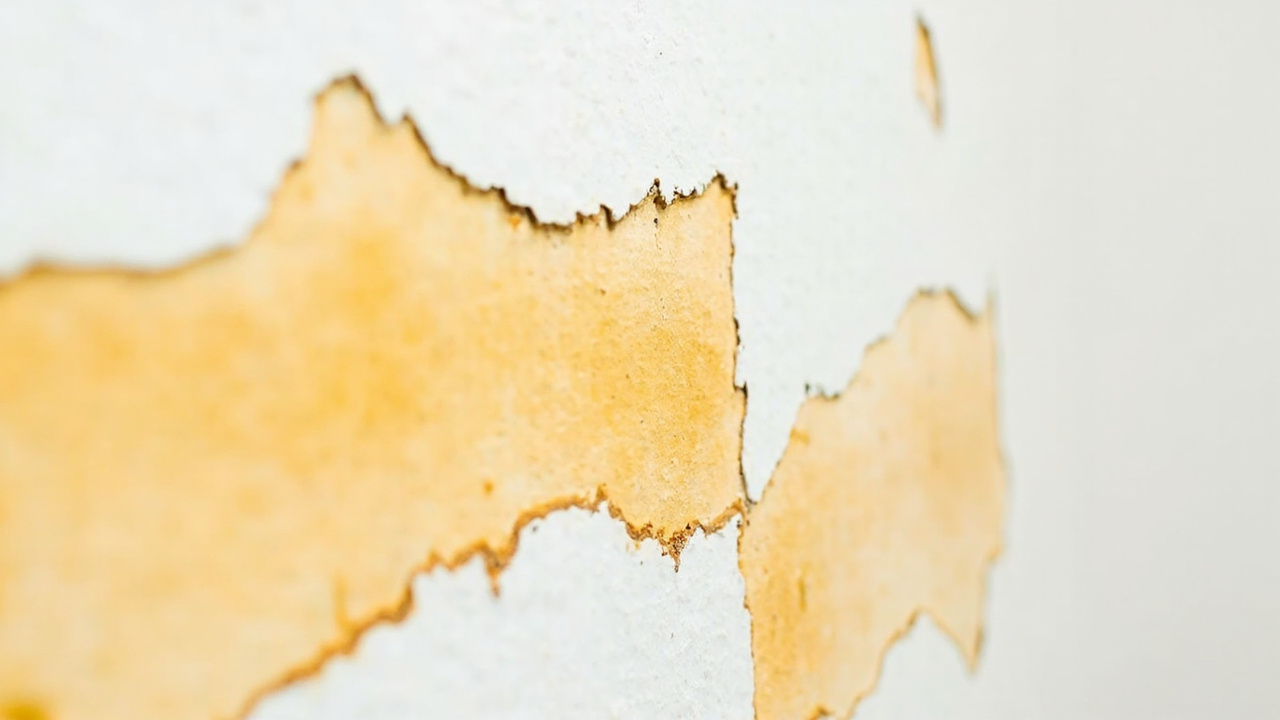
You see brown water spots on walls and assume the leak is fixed. Three months later, those yellow stains on drywall reappear in the same spot. The problem is not the stain. The problem is the moisture source you have not located yet.

Columbus sits in a humid continental climate zone where summer humidity regularly hits 70 percent. When that moisture meets poor attic ventilation or aging roof flashing, it condenses inside wall cavities. You get moisture discoloration on sheetrock that looks like a roof leak, but the real culprit is trapped humidity cycling through temperature swings.

The Scioto River valley creates microclimates across Columbus neighborhoods. Homes in German Village and Victorian Village deal with foundation moisture wicking up through original brick. Newer subdivisions in Hilliard and Dublin face spray foam insulation that traps moisture instead of letting walls breathe. Water marks on ceiling appear in upstairs bedrooms because bathroom exhaust fans vent into attics instead of outside.

Most homeowners treat the symptom and paint over wet patches on plasterboard. The drywall looks fine for a season. Then the stain bleeds through again because the moisture never left. Water does not disappear. It migrates through drywall paper, wood framing, and insulation until it finds an exit point. That exit point is usually your ceiling or wall, showing up as a discolored circle that grows every time it rains or your HVAC system runs.

You need to find the water source before you repair the cosmetic damage. Anything else is temporary.

Why Water Stains Keep Coming Back in Columbus Homes
How We Track Moisture to Its Source

How We Track Moisture to Its Source

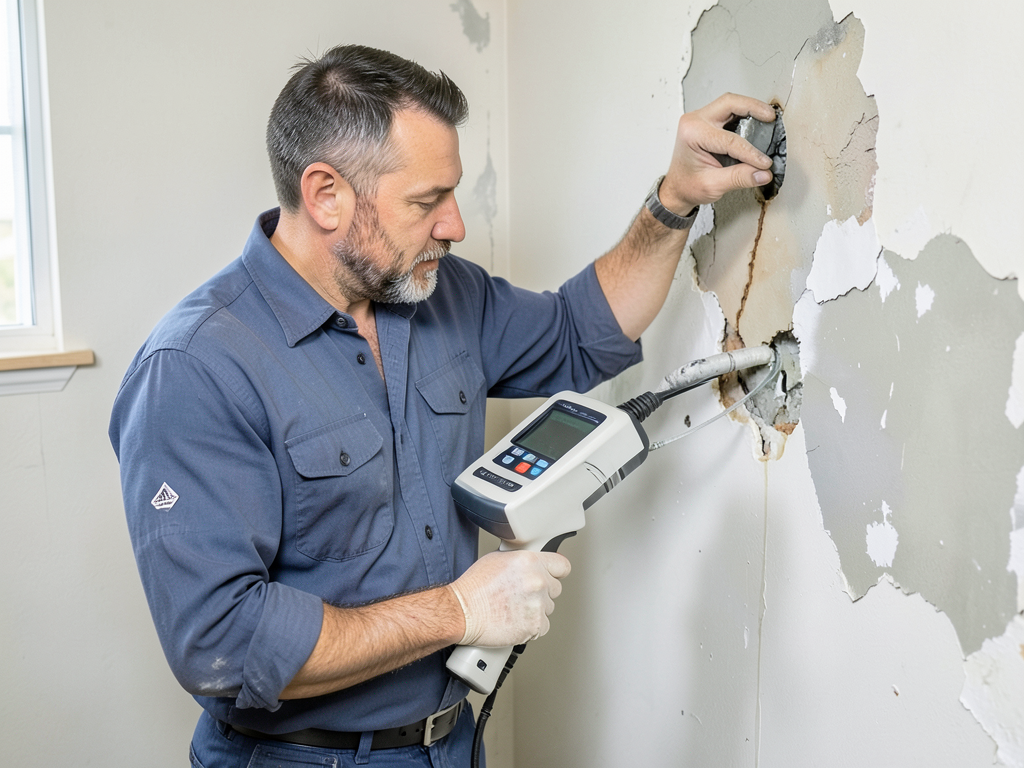
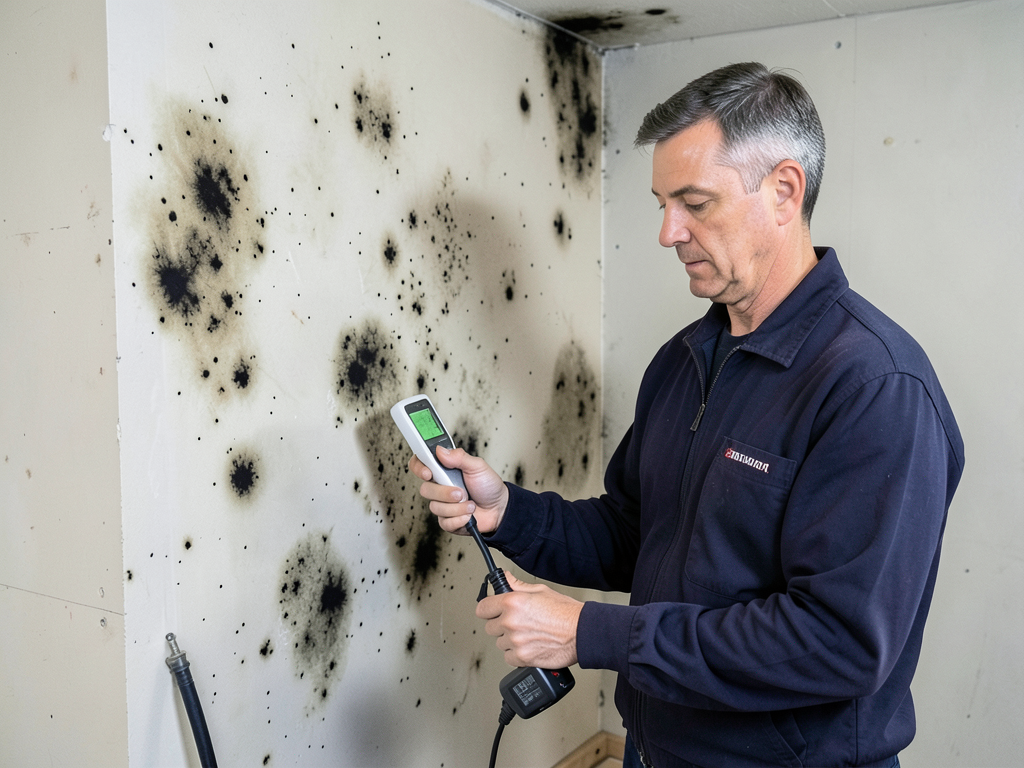
We do not guess where water comes from. We use calibrated moisture meters that measure water content in wood framing and gypsum board down to 0.1 percent accuracy. When you call Five Star Water Damage Restoration Columbus, we map every wet material in the affected area to create a moisture gradient. High readings show the source. Lower readings show where water migrated.

Thermal imaging cameras detect temperature differentials invisible to your eye. Wet insulation shows up as a cold spot because water absorbs heat differently than dry material. We scan wall cavities, ceiling joists, and subfloors to locate hidden moisture pockets that explain your visible staining. This technology finds problems you cannot see yet, like wet insulation that will grow mold in 48 hours.

Once we identify the source, we trace it back to the entry point. Roof penetrations, plumbing stack boots, window flashing, HVAC condensate lines, and foundation cracks all leave moisture signatures. We check each possibility using a systematic elimination process. For Columbus homes built before 1980, we pay extra attention to cast iron drain stacks that corrode from the inside and leak slow drips into wall cavities for months before you notice staining.

We document everything with photos, moisture readings, and written findings. You get a report that explains what happened, what got wet, and what needs to happen next. Insurance adjusters need this documentation. Contractors need it to bid the repair correctly. You need it to understand whether this is a quick fix or a larger building envelope problem that will repeat until you address the root cause.

What Happens When You Call About Drywall Stains

Water Stains on Drywall in Columbus – Expert Diagnosis Before Mold Takes Hold
01

Moisture Assessment

We arrive with handheld moisture meters and infrared cameras to scan affected walls and ceilings. You show us the visible water stains on drywall, and we test surrounding areas to map moisture migration patterns. We check framing, insulation, and adjacent rooms to find hidden wetness. You get real-time moisture readings that show exactly what is saturated and what is dry. This data determines whether you need drying equipment or immediate demolition.
02

Source Identification

We trace moisture back to the entry point using thermal imaging and visual inspection. Roof leaks, plumbing failures, and condensation problems each leave distinct patterns. We inspect attics, crawlspaces, and mechanical systems to find what caused your brown water spots on walls. Columbus homes have common failure points based on age and construction type. We know where to look. You get a written explanation of what failed and why your specific home developed this problem.
03

Drying and Monitoring

We place commercial dehumidifiers and air movers to dry structural materials to baseline moisture levels. Drywall needs to reach 12 percent moisture content before you can repair it. We monitor daily with meter readings until materials stabilize. If moisture stays elevated, we investigate further to confirm the source is stopped. You get daily updates and a final clearance reading before cosmetic repairs start. This prevents mold growth and ensures your repair will last.

Why Columbus Homeowners Choose Local Water Damage Specialists

National franchises send technicians who follow corporate checklists. They look for obvious leaks and move on. Columbus homes need specialists who understand how our regional humidity and building stock create unique moisture problems.

German Village rowhomes share party walls with neighbors. Moisture migrates horizontally between units through original brick and mortar joints. We test adjoining walls to rule out cross-contamination from neighboring properties. Clintonville bungalows have enclosed front porches added decades after original construction. The roof tie-ins leak because flashing was never installed correctly. We recognize these patterns instantly because we work in these neighborhoods every week.

Dublin and Powell subdivisions built in the 1990s used oriented strand board sheathing that swells when wet. Your yellow stains on drywall might indicate sheathing failure behind the vapor barrier. We know to check this based on your home's age and location. Short North condos have flat or low-slope roofs that pond water after heavy rain. We inspect roof drains and scuppers that clog with debris from surrounding trees.

Five Star Water Damage Restoration Columbus holds relationships with local roofers, plumbers, and contractors who understand our findings. When we identify a plumbing stack boot failure, we refer you to a roofer who stocks the correct replacement parts for your roof type. When foundation moisture causes your wet patches on plasterboard, we connect you with a waterproofing contractor who has worked on Columbus foundation soils before. You get coordinated repairs from people who know this market.

We also navigate Franklin County building permit requirements and insurance claim procedures daily. You get guidance on when permits are required, how to document losses for your carrier, and what local adjusters expect in a water damage claim. This expertise saves you time and prevents claim denials caused by incomplete documentation.

What to Expect from Professional Water Stain Investigation

Response Time and Availability

We answer calls 24 hours a day and dispatch technicians within two hours for active leaks. For non-emergency moisture discoloration on sheetrock that appeared gradually, we schedule assessments within 24 hours. Columbus weather changes rapidly, and you need someone available when a storm exposes a roof leak on a Sunday night. We staff weekends and holidays because water damage does not wait for business hours. Most investigations take 60 to 90 minutes depending on home size and complexity. You get same-day findings and a written plan before we leave your property.

Inspection Process

We start with your visible water marks on ceiling or walls, then expand the investigation to adjoining spaces. You walk us through when you first noticed staining and whether it changed with weather or water use patterns. We inspect attics, crawlspaces, and mechanical areas to examine potential moisture sources. Moisture meters test drywall, framing, subfloors, and insulation. Thermal cameras scan large areas quickly to identify temperature anomalies. We document findings with photos and diagram affected areas on a floor plan. You receive a moisture map that shows readings at each test location and identifies materials above acceptable thresholds.

Restoration Standards

We dry structures to IICRC S500 standards that define acceptable moisture levels for different building materials. Drywall returns to 12 percent or less. Wood framing drops below 15 percent. Concrete dries to baseline levels specific to your slab age and type. We do not stop drying based on how materials look or feel. We test daily and continue until meter readings confirm stability. If source repairs require contractor coordination, we monitor the site between visits to confirm moisture is not reaccumulating. You get written clearance before any reconstruction begins. This prevents callback issues and mold growth inside closed wall cavities.

Follow-Up Verification

After repairs are complete, we return to test the previously affected areas and verify moisture has not returned. This is especially important for Columbus homes where seasonal humidity causes recurring condensation problems. We schedule a follow-up visit 30 days after completion to retest and confirm the source was correctly identified and repaired. If new moisture appears, we investigate at no additional diagnostic fee because our initial assessment should have identified all contributing factors. You get documentation showing dry conditions were maintained, which satisfies insurance requirements and protects your investment in repairs.

Frequently Asked Questions

You Have Questions,
We Have Answers

How do you get water stains out of drywall? +

You cannot simply remove water stains from drywall without addressing the source. First, fix the leak causing the stain. Let the drywall dry completely for 48 to 72 hours. If the stain is superficial and the drywall feels firm, you can seal it with a stain-blocking primer, then repaint. Columbus homes often deal with roof leaks from freeze-thaw cycles or basement seepage from clay soil drainage issues. If the drywall feels soft, crumbles, or shows mold growth, replacement is necessary. Painting over active moisture traps problems behind the surface and invites mold.

Does water stained drywall need to be replaced? +

It depends on the damage extent. If the drywall stayed wet for less than 24 hours, feels solid, and shows no sagging or mold, you can dry it and repaint after priming. If the water sat longer, penetrated deeply, or the drywall feels spongy or bowed, replacement is required. Columbus humidity can slow drying and accelerate mold growth, especially in basements or crawl spaces. Water-damaged drywall loses structural integrity and becomes a breeding ground for hidden mold. Professional assessment ensures you address the real problem, not just cosmetic discoloration.

How to tell if water is leaking behind drywall? +

Look for discoloration or streaking on walls, especially near baseboards or ceiling corners. Touch the wall. If it feels damp, cool, or soft, water is present. Peeling paint or bubbling texture indicates trapped moisture. Listen for dripping sounds behind walls or notice musty odors, which signal mold growth from hidden leaks. In Columbus, plumbing failures from freezing pipes or deteriorating sewer laterals often leak behind walls. Check for warped baseboards or stains spreading over time. If you suspect a hidden leak, call a professional with moisture meters and thermal imaging to locate the source before structural damage worsens.

Are water stains on walls bad? +

Yes. Water stains indicate an active or past moisture problem. They are not just cosmetic. If the source is not fixed, the stain will grow and mold will develop within 24 to 48 hours. Columbus homes with older plumbing, roof leaks from ice dams, or foundation cracks from clay soil movement are vulnerable. Water stains compromise drywall integrity, reduce insulation effectiveness, and create health risks from mold spores. Ignoring stains leads to rot, structural damage, and costly repairs. Address the leak immediately, dry the area, and assess whether the drywall needs replacement or professional remediation.

How Columbus Humidity and Housing Stock Create Chronic Moisture Problems

Columbus experiences humid summers where dewpoints regularly exceed 65 degrees and indoor humidity climbs above 60 percent without dehumidification. When your air conditioning cycles off at night, warm humid air contacts cool wall surfaces and condenses inside wall cavities. This creates moisture discoloration on sheetrock that mimics roof leaks but originates from indoor humidity infiltrating the building envelope. Older homes in Clintonville and Grandview lack vapor barriers entirely. Newer construction in Hilliard and Grove City uses spray foam that traps moisture instead of allowing walls to dry to the exterior. Both scenarios produce wet patches on plasterboard that reappear seasonally until you address the humidity source and improve ventilation.

Franklin County building codes updated requirements for bathroom exhaust ventilation and attic insulation several times over the past 40 years. Homes built before these changes have inadequate moisture management systems by current standards. Five Star Water Damage Restoration Columbus works with local building inspectors and understands grandfather clauses that affect renovation permits. We know which upgrades satisfy code when repairing water damage in historic districts, and we guide you through compliance requirements before work begins. This prevents permit violations and ensures your repairs meet current moisture management standards that prevent future staining problems.
Water Damage Restoration Services in The Columbus Area

We proudly serve the wider Columbus area and its surrounding communities. Our centrally located office allows our emergency response teams to reach your property quickly, no matter where you are. We are committed to being a reliable resource for our neighbors, and our responsive team is always on standby to provide professional assistance when you need it most. We believe that local expertise and a quick response are crucial when dealing with water damage, so we encourage you to view our service area to see if we can help.

Address:
Five Star Water Damage Restoration Columbus, 601 N High St, Columbus, OH, 43215

Additional Services We Offer

Our news updates

Latest Articles & News from The Blogs

Dealing with water damage when you live in a Columbus HOA or condo association Water damage in a Columbus condo…

Dealing with water damage when you live in a Columbus HOA or condo association

Dealing with water damage when you live in a Columbus HOA or condo association Water damage in a Columbus condo…

The real difference between common mildew and dangerous black mold in Eastmoor homes

The real difference between common mildew and dangerous black mold in Eastmoor homes Eastmoor homeowners often spot dark patches in…

Testing your sump pump before the spring rains hit the South Side

Testing your sump pump before the spring rains hit the South Side \n\n Heavy spring rains combined with the clay-rich…

Contact Us

Call (614) 707-7505 now for same-day moisture investigation in Columbus. We bring professional testing equipment and find the real problem behind your drywall stains. No guessing, no painting over active leaks. Just accurate diagnostics and a clear repair plan.