Menu

Wet Carpet & Padding in Columbus – Stop Mold Before It Starts

Five Star Water Damage Restoration Columbus removes wet carpet and padding fast to prevent structural damage, toxic mold growth, and complete flooring replacement in Columbus homes and businesses.

Slider Image 1
Slider Image 2
Slider Image 3
Slider Image 4
Slider Image 5
Slider Image 7
Slider Image 8
Slider Image 9
Slider Image 10
Slider Image 11

Why Wet Carpet and Padding Can Destroy Your Columbus Property

Columbus sits in a humid continental climate zone where moisture problems escalate fast. When carpeting gets wet, you are not just dealing with surface water. The real damage happens underneath, where saturated carpet and cushion create the perfect breeding ground for mold and bacteria.

Most Columbus homeowners do not realize that wet carpet underlayment can harbor contamination within 24 to 48 hours. The Scioto and Olentangy Rivers create localized humidity spikes that accelerate microbial growth in flooded carpet and underpad. This is particularly problematic in neighborhoods like German Village and Victorian Village, where older homes lack modern moisture barriers.

Soaked carpeting and underlay acts like a sponge, pulling water deep into subflooring. Plywood and OSB subfloors, common in Columbus construction from the 1970s onward, swell and delaminate when exposed to prolonged moisture. This leads to buckled floors, weakened joists, and structural instability that costs thousands to repair.

The padding underneath holds water longer than the carpet itself. Standard rebond padding can absorb up to 50 times its weight in water. Once water damaged carpet and pad sits for more than two days, you are looking at microbial contamination that spreads through HVAC systems. You smell it first in basements, then it migrates upstairs.

Insurance adjusters in Franklin County will often deny claims if you wait too long to address saturated carpeting. They view delayed mitigation as neglect. You have a narrow window to act before what started as a plumbing leak becomes a total loss scenario.

Why Wet Carpet and Padding Can Destroy Your Columbus Property
How We Extract Water and Remove Damaged Materials Correctly

How We Extract Water and Remove Damaged Materials Correctly

Five Star Water Damage Restoration Columbus does not just pull up wet carpet and call it done. We follow IICRC S500 water damage restoration standards, which means we assess moisture content in subflooring, baseboards, and wall cavities before removing materials.

Our truck-mounted extraction units pull standing water from soaked carpeting and underlay in minutes, not hours. We use weighted wands that compress the carpet fibers during extraction, forcing water out of the pile and backing. This prevents unnecessary disposal of salvageable carpet in cases where clean water caused the damage.

Once extraction is complete, we lift the carpet to inspect the padding and subfloor. Moisture meters tell us if the plywood or concrete slab beneath has absorbed water. In Columbus homes built before 1990, we often find tar paper underlayment that traps moisture against the subfloor. This layer must be removed to allow proper drying.

Saturated carpet and cushion removal happens in controlled sections. We document everything for your insurance claim, tagging materials as Category 1, 2, or 3 water damage. Category 3, which involves sewage or exterior flooding, requires complete disposal of all porous materials. We bag and remove contaminated padding immediately to prevent cross-contamination.

Air movers and dehumidifiers run 24/7 until subfloor moisture readings drop below 12 percent. We do not guess. We take daily readings and adjust equipment placement based on airflow patterns specific to your home's layout. Columbus humidity levels mean drying takes longer than in arid climates. Rushing this phase leads to mold growth under new flooring.

What Happens When You Call Us About Flooded Carpet

Wet Carpet & Padding in Columbus – Stop Mold Before It Starts
01

Emergency Water Extraction

We arrive within 60 minutes for emergency calls in Columbus and immediately deploy truck-mounted extraction equipment. Our technicians identify the water source, stop active intrusion, then extract standing water from flooded carpet and underpad using weighted wands that pull moisture from deep pile fibers and backing. We measure initial moisture levels in subflooring to establish a drying baseline.
02

Material Assessment and Removal

We lift carpeting to inspect water damaged carpet and pad conditions and determine what can be saved versus what requires disposal. Moisture meters scan subflooring, tack strips, and baseboards. Contaminated or heavily saturated materials get documented, photographed for insurance, then removed in sealed bags. We never leave wet padding in place, even if carpet appears salvageable.
03

Structural Drying and Verification

High-velocity air movers and commercial dehumidifiers run continuously until subfloor moisture drops to acceptable levels for Franklin County. We monitor humidity and temperature daily, adjusting equipment to match Columbus weather conditions. Final moisture readings verify structural components meet industry dry standards before new flooring installation. You receive a complete mitigation report showing all readings and confirming mold prevention protocols.

Why Columbus Property Owners Trust Our Wet Carpet Removal Process

Five Star Water Damage Restoration Columbus has removed thousands of square feet of water damaged carpet and pad from homes in Clintonville, Short North, and Upper Arlington. We know how Columbus homes are built, and we know where water hides.

Most carpet cleaning companies will extract surface water and leave. We are not carpet cleaners. We are certified water damage restoration technicians trained to identify hidden moisture that leads to long-term structural problems. Our team understands that Columbus construction methods vary wildly between neighborhoods. A 1920s bungalow in Merion Village has different subflooring than a 2015 build in New Albany.

We work directly with insurance adjusters from Nationwide, State Farm, and other carriers headquartered or operating heavily in Columbus. We know what documentation they require, and we provide it upfront. This speeds up claims and gets you paid faster. Many homeowners do not realize that insurance companies will reduce payouts if you do not mitigate damage immediately. We handle that communication.

Our equipment is commercial grade, not rental store units. The difference matters. Consumer-grade shop vacs and box fans do not create the airflow or dehumidification needed to dry subflooring in Columbus humidity. We own our extraction trucks, our dehumidifiers, and our moisture detection equipment. This means we control quality and response time.

You will not get a crew that disappears for three days. We assign a project manager to your job who checks equipment daily, takes readings, and keeps you updated. We do not move equipment to another job until yours is completely dry. That is the difference between restoration companies and emergency response companies.

What to Expect When We Handle Your Wet Carpet Emergency

Rapid Response Time

We dispatch crews within 60 minutes for emergency water damage calls in Columbus and surrounding Franklin County. Our trucks carry extraction equipment, moisture meters, air movers, and dehumidifiers so we start mitigation immediately upon arrival. You do not wait for a second trip. Night and weekend calls get the same response time as weekday calls. We know that water damage does not wait for business hours, and neither do we.

Thorough Damage Assessment

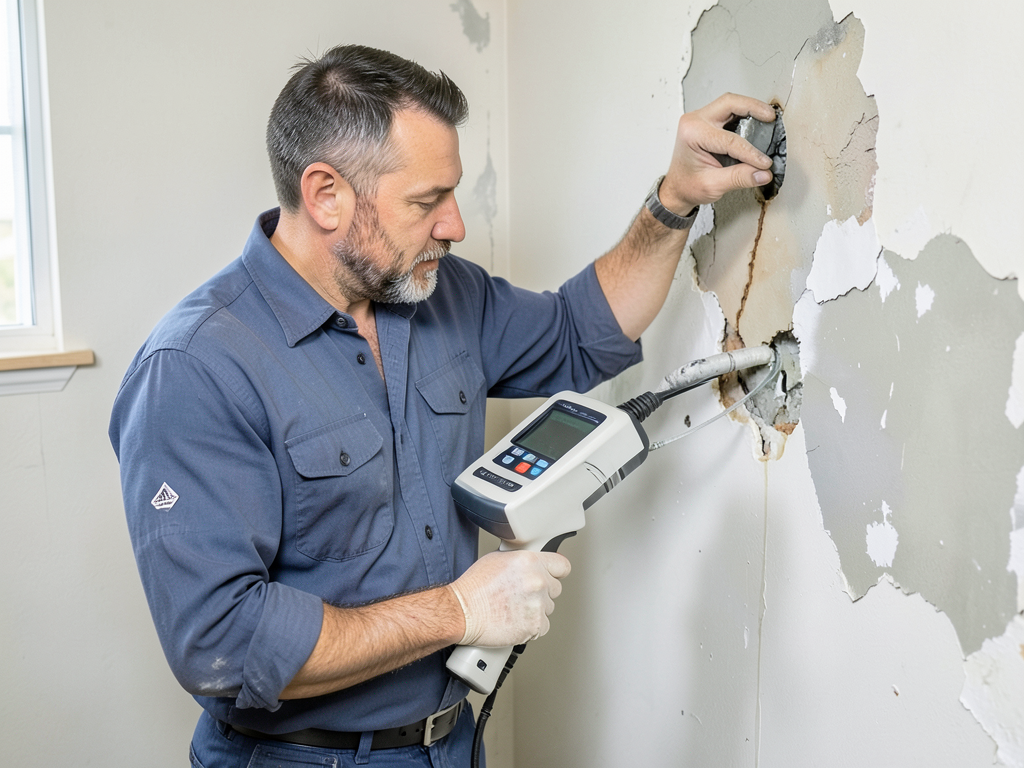
Our technicians use thermal imaging cameras and penetrating moisture meters to locate hidden water in walls, subflooring, and insulation. We document moisture readings at multiple points, photograph all damage, and create a detailed scope of work for your insurance company. You receive a written assessment that explains what happened, what needs to be removed, and what can be saved. This transparency prevents surprise costs and claim denials later.

Complete Structural Drying

We do not pull equipment until your subfloor, walls, and baseboards register dry on calibrated moisture meters. Drying times vary based on materials, humidity levels, and the extent of saturation, but most residential jobs reach dry standard within three to five days. We provide daily moisture logs and adjust equipment placement to optimize airflow. Your property gets returned to pre-loss moisture levels, verified with final readings and documentation.

Post-Mitigation Support

Once drying is complete, we provide a certificate of completion that confirms your property meets IICRC dry standards. This document protects you if mold issues arise later and proves to your insurance company that mitigation was done correctly. We also coordinate with flooring contractors if you need new carpet or hardwood installed. You are not left figuring out next steps alone. We walk you through the entire restoration process from water extraction to final inspection.

Frequently Asked Questions

You Have Questions,
We Have Answers

Is carpet padding ruined if it gets wet? +

Yes, carpet padding is usually ruined once it gets wet. Most padding is made from porous foam or fiber materials that absorb water like a sponge. Once saturated, padding holds moisture against the subfloor and carpet backing, creating a breeding ground for mold and bacteria. Even if you extract surface water from the carpet, the padding beneath remains wet and begins deteriorating within hours. Columbus homeowners often face this after basement flooding or pipe bursts. Professional water extraction equipment can remove some moisture, but replacement is typically necessary to prevent ongoing damage and health risks.

How to dry out wet carpet padding? +

Drying wet carpet padding requires immediate action and professional equipment. First, extract standing water using a wet vacuum. Pull back the carpet to expose the padding and increase airflow. Position commercial-grade air movers across the padding surface and run dehumidifiers to remove airborne moisture. In Columbus, high humidity can slow drying, so monitor moisture levels with meters. Complete drying takes 48 to 72 hours under ideal conditions. However, padding rarely dries thoroughly without professional intervention. Contaminated water from sewage or flooding requires padding disposal for safety.

How long can carpet be wet before it is ruined? +

Carpet can survive 24 to 48 hours of wetness if you act fast. Beyond that window, permanent damage begins. The backing separates from fibers, dyes bleed, and mold spores activate. Clean water gives you more time than contaminated sources. Columbus homes with finished basements face tighter timelines due to poor ventilation and cooler temperatures underground. Your carpet type matters too. Synthetic fibers tolerate moisture better than natural wool. Once mold takes hold or backing delaminates, replacement becomes your only option. Speed determines whether you save or replace your flooring.

Can mold grow under carpet padding? +

Yes, mold grows aggressively under carpet padding. The dark, damp space between padding and subfloor creates perfect conditions for spore colonization. Padding absorbs and traps moisture while blocking airflow, keeping surfaces wet for days or weeks. Columbus homes built on concrete slabs face higher risk because concrete wicks moisture and stays cold. You cannot see mold growing beneath your carpet until it spreads visibly or creates musty odors. Once established, mold releases spores that affect indoor air quality and trigger respiratory problems. Professional remediation requires removing both carpet and padding.

How quickly can mold grow under wet carpet? +

Mold begins growing under wet carpet within 24 to 48 hours. Spores exist everywhere and activate when moisture, warmth, and organic material combine. Carpet backing and padding provide food sources while trapped water supplies necessary moisture. Columbus summers create ideal temperatures for rapid growth. You might notice musty smells before visible signs appear. Dark, damp basement spaces accelerate colonization. Once mold establishes under padding, surface cleaning fails because you cannot reach the contaminated layers. Professional remediation becomes necessary to remove affected materials and treat subfloors with antimicrobial solutions.

Will wet carpet dry on its own? +

Wet carpet will not dry properly on its own. While surface moisture might evaporate slowly, padding and backing remain saturated for weeks. Columbus humidity slows natural evaporation, and poor airflow in basements makes the problem worse. Carpets that stay damp develop mold, mildew, and permanent odors. The backing delaminates and fibers rot. Relying on natural air drying guarantees damage and creates health hazards. Professional water extraction removes the bulk of moisture quickly, while air movers and dehumidifiers finish the job. Without intervention, you face replacement rather than restoration.

What pulls moisture out of carpet? +

Professional truck-mounted extraction units pull the most moisture from carpet. These systems use powerful vacuum pressure to lift water from deep in padding and backing. Portable extractors work for smaller areas but lack the same suction power. After extraction, commercial air movers create rapid airflow across carpet surfaces to accelerate evaporation. Dehumidifiers remove moisture from the air, preventing it from reabsorbing into materials. Columbus restoration professionals combine these tools with moisture meters to track progress. Standard household fans and shop vacuums cannot match professional equipment for thorough water removal and proper drying.

What are signs of mold in carpet? +

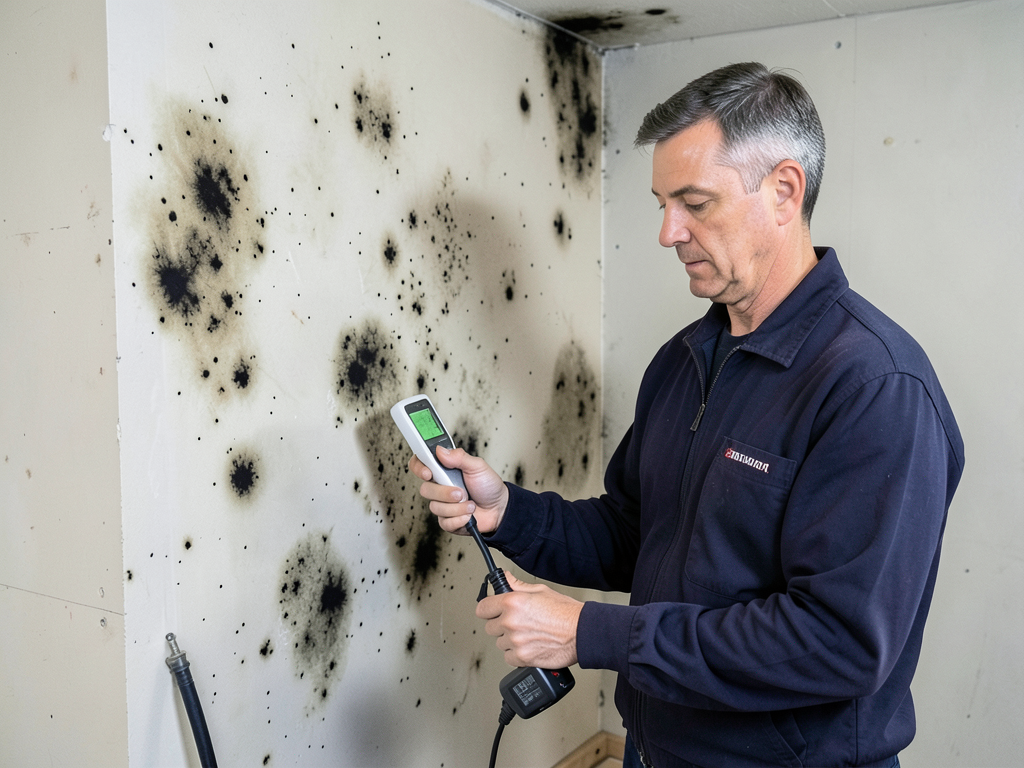
Visible dark spots or discoloration signal mold in carpet. You might see black, green, or white patches spreading across fibers. Persistent musty or earthy odors indicate hidden growth beneath the surface. Carpet that feels damp days after water exposure likely harbors mold in padding. Columbus homeowners sometimes notice increased allergy symptoms or respiratory irritation when mold colonizes flooring. The carpet backing might separate or feel spongy when you press down. Water stains that keep returning after cleaning suggest moisture and mold underneath. Professional testing confirms mold presence and identifies species for proper remediation.

How to dry a wet carpet asap? +

Extract standing water immediately using a wet vacuum or professional extraction equipment. Pull back carpet edges to expose padding and promote airflow. Position multiple air movers to create cross-ventilation across wet areas. Run a commercial dehumidifier to remove airborne moisture. Open windows if outdoor humidity is lower than inside. In Columbus basements, focus airflow directly on wet padding and subfloors. Check moisture levels every few hours with a meter. Remove furniture and props to allow air circulation underneath. Speed matters because you have less than 48 hours before permanent damage occurs.

What kills mold in wet carpet? +

Nothing safely kills mold in wet carpet without professional remediation. Bleach damages carpet fibers and does not penetrate padding where mold colonizes. Vinegar and household cleaners only address surface growth. Once mold establishes under carpet, you must remove and dispose of affected materials. Professional remediation involves extracting contaminated padding, treating subfloors with EPA-registered antimicrobial solutions, and HEPA vacuuming to capture spores. Columbus restoration teams follow IICRC standards for mold remediation. Attempting DIY mold killing spreads spores throughout your home and leaves hidden colonies intact. Proper removal protects your health and prevents recurrence.

How Columbus Humidity and Flood Plains Make Wet Carpet a Structural Threat

Columbus averages 39 inches of annual precipitation, and humid summer months create condensation problems in basements and crawlspaces. Homes near the Scioto River flood plain, especially in areas like Franklinton and parts of South Side, face higher groundwater tables that push moisture up through concrete slabs. This makes soaked carpeting and underlay a recurring problem during spring storms. Once water saturates carpet cushion in Columbus humidity, drying times double compared to drier climates. Mold spores activate faster, and subflooring absorbs moisture deeper into the grain.

Five Star Water Damage Restoration Columbus understands Franklin County building codes and knows how local construction methods affect water damage severity. We work with insurance adjusters familiar with Columbus claim patterns and know which documentation local carriers require. Our technicians live in Columbus, which means we respond faster than national franchises dispatching crews from regional hubs. When you call a local company, you get technicians who know your neighborhood and have worked in homes just like yours.
Water Damage Restoration Services in The Columbus Area

We proudly serve the wider Columbus area and its surrounding communities. Our centrally located office allows our emergency response teams to reach your property quickly, no matter where you are. We are committed to being a reliable resource for our neighbors, and our responsive team is always on standby to provide professional assistance when you need it most. We believe that local expertise and a quick response are crucial when dealing with water damage, so we encourage you to view our service area to see if we can help.

Address:
Five Star Water Damage Restoration Columbus, 601 N High St, Columbus, OH, 43215

Additional Services We Offer

Our news updates

Latest Articles & News from The Blogs

Dealing with water damage when you live in a Columbus HOA or condo association Water damage in a Columbus condo…

Dealing with water damage when you live in a Columbus HOA or condo association

Dealing with water damage when you live in a Columbus HOA or condo association Water damage in a Columbus condo…

The real difference between common mildew and dangerous black mold in Eastmoor homes

The real difference between common mildew and dangerous black mold in Eastmoor homes Eastmoor homeowners often spot dark patches in…

Testing your sump pump before the spring rains hit the South Side

Testing your sump pump before the spring rains hit the South Side \n\n Heavy spring rains combined with the clay-rich…

Contact Us

Call Five Star Water Damage Restoration Columbus now at (614) 707-7505 for immediate wet carpet extraction and structural drying. We dispatch crews 24/7 across Franklin County to prevent mold, subfloor damage, and insurance claim denials.