
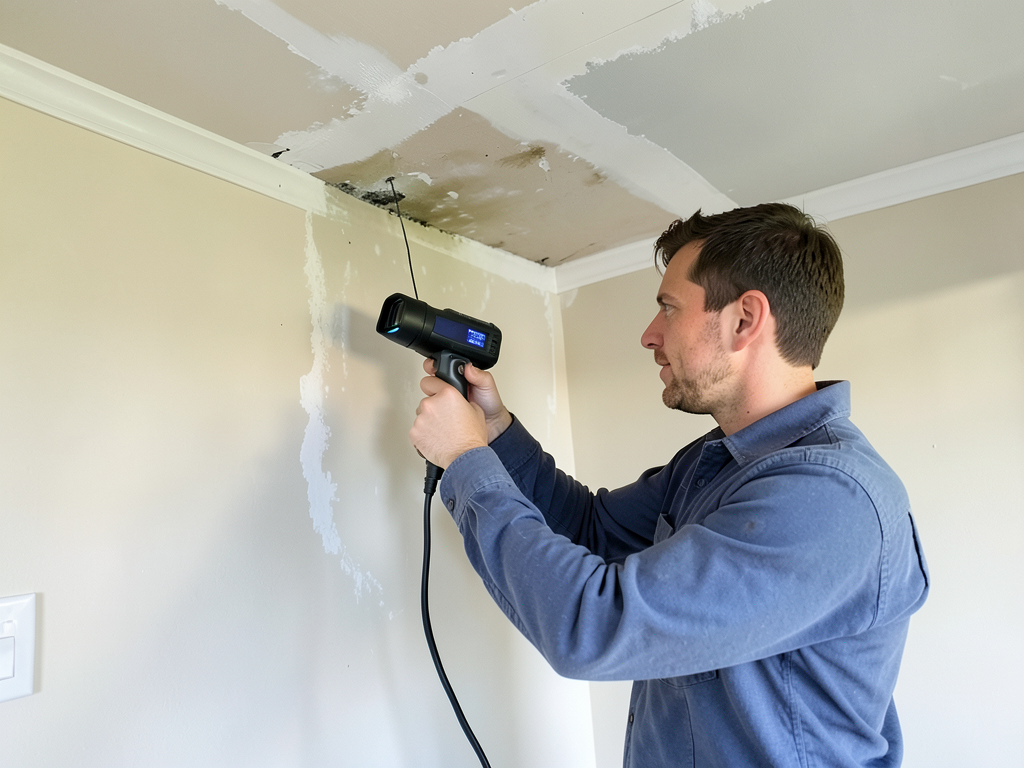
Why a leaking plumbing vent on your Hilliard roof might look like a ceiling leak
When you see a brown stain spreading across your Hilliard living room ceiling, your first thought might be a roof shingle failure. But that water spot near your bathroom or kitchen exhaust pipe could actually be a plumbing vent leak. These leaks often mimic roof damage but require a completely different repair approach. Understanding the difference matters because the water damage restoration process for a vent leak involves more than just patching a boot. EPA mold information.
Plumbing vents run through your roof to equalize pressure in drain pipes. The rubber or neoprene boot that seals around the pipe deteriorates over time, especially under Ohio’s freeze-thaw cycles. When that seal fails, rainwater seeps down the pipe’s exterior and into your attic. From there, it travels along rafters and insulation before dripping onto your ceiling drywall. By the time you notice the stain, moisture has likely been accumulating for weeks or months. Professional water damage restoration for Short North shops and galleries.
The confusion between vent leaks and roof leaks creates a common problem in Hilliard homes. Roofers might replace perfectly good shingles while the real culprit continues leaking. Meanwhile, the hidden moisture promotes mold growth in your attic insulation and can rot wooden framing members. That small ceiling stain might be hiding a much larger structural issue above your ceiling.
Common signs your plumbing vent is leaking
Identifying a plumbing vent leak requires knowing what to look for. These leaks have distinct characteristics that separate them from typical roof failures. Here’s how to tell if your ceiling stain might be coming from a vent pipe rather than damaged shingles.
| Plumbing Vent Leak Sign | Roof Leak Sign | Key Difference |
|---|---|---|
| Water spots near bathroom or kitchen exhaust pipes | Random ceiling stains | Vent leaks align with pipe locations |
| Staining worsens during heavy rain | Staining appears after storms | Vent leaks depend on water volume |
| Attic inspection shows wet pipe boots | Damaged shingles visible | Vent boots show physical deterioration |
| Musty smell in attic near vent pipes | Musty smell throughout attic | Vent leaks concentrate moisture |
The location gives away most vent leaks. If your ceiling stain appears directly below a bathroom vent stack or kitchen exhaust pipe, that’s your first clue. Roof leaks from damaged shingles typically create random patterns as water travels across decking before finding a path down.
Timing provides another diagnostic clue. Plumbing vent leaks often worsen during heavy downpours because the increased water volume overwhelms the compromised boot seal. You might notice the stain growing larger during specific weather events rather than gradually over time.
Attic inspections reveal the most definitive evidence. When you look up at your vent pipes, check the rubber boot for cracks, splits, or gaps. The neoprene material degrades from UV exposure and temperature extremes. If the boot feels soft, brittle, or shows visible damage, water is likely penetrating that seal.
Musty odors concentrated near vent pipes indicate active moisture problems. While roof leaks can cause general attic dampness, vent leaks create localized wet zones around the pipe penetration. That moisture feeds mold growth on wood framing and insulation near the leak source.
Common causes of vent pipe leaks in Central Ohio
Ohio’s climate creates unique challenges for plumbing vent boots. The combination of extreme temperature swings, UV exposure, and moisture creates a perfect storm for material degradation. Understanding these causes helps you prevent future leaks and recognize when replacement becomes necessary. Fixing storm and flood damage in Hilliard after heavy rains.
Freeze-thaw cycles represent the biggest threat to vent boots in Hilliard. When temperatures fluctuate between freezing and thawing, the rubber material expands and contracts repeatedly. This movement causes microscopic cracks that grow larger over time. A boot that seems fine in summer might fail completely after a harsh Ohio winter.
UV radiation breaks down neoprene and rubber compounds. Ohio summers bring intense sunlight that degrades the boot material from the outside in. The once-pliable rubber becomes brittle and develops surface cracks. These cracks might seem minor but allow water to penetrate during the next heavy rain.
Improper installation creates immediate vulnerability. If the boot isn’t properly seated or the flashing isn’t correctly integrated with surrounding shingles, water finds its way in regardless of boot condition. Many Hilliard homes built in the 1990s and early 2000s have vent boots approaching the end of their typical 15-20 year lifespan.
Animal damage surprisingly contributes to vent failures. Squirrels and birds sometimes chew on rubber materials, creating entry points for water. Raccoons may also damage boots while exploring roof areas. Once the protective outer layer is compromised, the boot deteriorates much faster.
Condensation inside the pipe creates another failure mode. When warm, moist air from your plumbing system meets cold air in the vent pipe, condensation forms on the pipe’s exterior. This moisture can pool around the boot base, accelerating material breakdown from the inside out.
The hidden dangers: why a small leak is a big deal
A tiny water spot on your ceiling often signals much larger problems hidden from view. Plumbing vent leaks create secondary damage that extends far beyond the visible stain. Understanding these hidden dangers explains why professional restoration becomes necessary even for seemingly minor leaks.
Attic insulation saturation represents the first hidden problem. When water drips down vent pipes, it soaks into surrounding insulation. Fiberglass insulation loses its R-value when wet, reducing your home’s energy efficiency. Worse, saturated insulation becomes a breeding ground for mold spores that thrive in dark, damp environments.
Structural wood rot develops when moisture persists in wooden framing members. The rafters, trusses, and decking around vent penetrations stay damp from chronic leaks. Over time, this moisture causes wood to soften and lose structural integrity. What started as a simple boot replacement could evolve into major framing repairs.
Black mold growth poses serious health risks. Stachybotrys chartarum, commonly called black mold, thrives in the cellulose-rich environment of wet attic insulation and drywall. This toxic mold releases mycotoxins that can cause respiratory problems, headaches, and other health issues. Children, elderly individuals, and those with compromised immune systems face the highest risk.
Ceiling drywall deterioration accelerates once water penetrates the surface. The gypsum core absorbs moisture like a sponge, causing it to swell and lose structural integrity. Wet drywall becomes soft and crumbly, eventually collapsing under its own weight. The stain you see might be the only visible sign of extensive internal damage.
Electrical hazards emerge when water contacts wiring or junction boxes in ceiling cavities. Many Hilliard homes have electrical runs in attic spaces or within ceiling assemblies. Water from vent leaks can create short circuits, tripped breakers, or even fire hazards if it contacts live electrical components.
Secondary pest infestations follow moisture problems. Termites and carpenter ants are attracted to damp wood. Once they discover moisture-damaged framing, they establish colonies that cause additional structural damage. The combination of water damage and pest infestation creates compound problems that multiply repair costs.
Our professional remediation process
Addressing plumbing vent leaks requires more than just replacing a boot. Professional water damage restoration involves a systematic approach to identify all affected areas, remove damaged materials, and prevent future problems. Here’s how certified technicians handle these complex situations.
- Comprehensive Inspection
Technicians use moisture meters and thermal imaging cameras to map water migration patterns. They check attic spaces, wall cavities, and ceiling assemblies to identify all affected areas. This diagnostic phase reveals damage extent beyond visible stains.
- Moisture Mapping
Specialized equipment creates a moisture map showing exactly where water has traveled. Technicians document readings at multiple depths to determine how far moisture has penetrated materials. This mapping guides the drying strategy and identifies hidden damage.
- Containment Setup
Before demolition begins, technicians establish containment barriers to prevent mold spore spread. They use HEPA-filtered air scrubbers and negative air pressure systems to isolate work areas. This protects unaffected spaces during the restoration process.
- Material Removal
Damaged insulation, drywall, and other porous materials get removed following IICRC S500 standards. Technicians cut out water-damaged sections in clean lines to facilitate proper reconstruction. They bag and dispose of contaminated materials according to EPA guidelines. IICRC S500 standards.
- Structural Drying
Industrial-grade dehumidifiers and air movers create optimal drying conditions. Technicians monitor moisture levels daily until wood framing and other structural elements reach safe moisture content levels. This process typically takes 3-5 days depending on damage extent.
- Antimicrobial Treatment
EPA-registered antimicrobials treat all affected surfaces to prevent mold regrowth. Technicians apply these treatments to framing, subflooring, and other structural elements. This step creates a protective barrier against future biological contamination.
- Reconstruction
Once drying completes, reconstruction begins with new insulation, drywall, and finishing work. Technicians ensure all replacements meet current building codes and match existing finishes. They coordinate with roofing contractors for proper vent boot installation.
The restoration process follows strict industry standards to ensure complete recovery. IICRC S500 guidelines govern water damage restoration procedures, establishing protocols for drying, cleaning, and reconstruction. These standards ensure consistent, high-quality results across all restoration projects.
Moisture detection technology plays a crucial role in the process. Thermal imaging cameras reveal temperature differences that indicate moisture presence behind walls and under flooring. Pin-type and pinless moisture meters provide quantitative data about material moisture content. This technology prevents guesswork and ensures thorough drying.
Documentation throughout the process serves multiple purposes. Technicians create detailed reports showing damage extent, drying progress, and restoration steps. This documentation supports insurance claims and provides homeowners with clear records of all work performed. It also helps identify any recurring issues that might need attention.
Professional restoration addresses both immediate damage and long-term prevention. Technicians not only fix current problems but also identify conditions that contributed to the leak. They might recommend improved attic ventilation, better pipe insulation, or upgraded vent boot materials to prevent future failures.
Columbus emergency water damage services
When plumbing vent leaks cause ceiling damage in your Hilliard home, you need rapid response from local experts who understand Columbus-area building challenges. Water damage doesn’t wait for business hours, and neither should your restoration team. Rapid Response Flood Extraction.
Emergency response teams arrive within 60 minutes of your call, 24 hours a day, 365 days a year. They bring industrial-grade equipment and IICRC-certified technicians who can immediately assess damage and begin mitigation. This rapid response prevents secondary damage that occurs when water sits untreated.
Direct insurance billing simplifies the recovery process for homeowners. Restoration companies work directly with your insurance provider, handling paperwork and documentation requirements. This coordination reduces your stress during an already difficult situation and speeds up claim processing.
Franklin County building codes require specific procedures for water damage restoration. Professional teams understand these requirements and ensure all work complies with local regulations. This compliance prevents future problems and ensures your home meets safety standards after restoration.
Moisture mapping technology identifies hidden damage that visual inspections miss. Thermal imaging cameras detect temperature variations that indicate moisture presence behind walls and under flooring. This technology ensures complete damage assessment and prevents missed areas that could cause future problems.
Professional drying equipment removes moisture much faster than consumer-grade fans and dehumidifiers. Industrial air movers create high-velocity airflow that evaporates water from materials. Commercial dehumidifiers extract large volumes of moisture from the air, accelerating the drying process and preventing mold growth.
Antimicrobial treatments prevent mold growth during the drying process. EPA-registered products create protective barriers on treated surfaces. These treatments are especially important in Columbus’s humid climate, where mold can establish itself within 24-48 hours of water exposure.
Reconstruction work restores your home to pre-loss condition or better. Professional teams match existing finishes, ensure proper building code compliance, and address any underlying issues that contributed to the original damage. This comprehensive approach prevents recurring problems.
Call (614) 707-7505 today to schedule your inspection. Don’t wait until that small ceiling stain becomes a major structural problem. Our Columbus-based team understands local building challenges and provides rapid, professional restoration services when you need them most.
Frequently Asked Questions
How can I tell if my ceiling leak is from a plumbing vent or roof damage?
Plumbing vent leaks typically appear near bathroom or kitchen exhaust pipes and worsen during heavy rain. Roof leaks create random patterns and often appear after storms. Check your attic for wet vent boots or damaged shingles to identify the source.
How long does it take to repair a plumbing vent leak and restore water damage?
Vent boot replacement takes 1-2 hours. Complete restoration, including drying and repairs, typically requires 3-7 days depending on damage extent. Emergency response teams can begin work within 60 minutes of your call.
Will my homeowner’s insurance cover plumbing vent leak damage?
Most policies cover sudden and accidental water damage from plumbing failures. However, damage from lack of maintenance might not be covered. Professional restoration companies can help document damage and work with your insurance provider.
What are the health risks of ignoring a small ceiling stain?
Small stains often indicate larger moisture problems that promote mold growth. Black mold can cause respiratory issues and other health problems. Wet materials also attract pests and can create electrical hazards if water contacts wiring.
How can I prevent future plumbing vent leaks?
Regular roof inspections, especially after severe weather, help identify boot deterioration early. Consider upgrading to UV-resistant materials and ensure proper installation. Professional inspections every 2-3 years can catch problems before they cause damage.
What should I do immediately when I discover a ceiling stain?
Place a bucket under the stain to catch dripping water. If possible, access your attic to check for active leaks. Call a professional restoration company immediately rather than attempting DIY repairs, as hidden damage often extends beyond visible areas.
Are plumbing vent leaks common in older Hilliard homes?
Yes, homes built before 2000 often have original vent boots reaching the end of their lifespan. Ohio’s climate accelerates material degradation. Regular inspections become especially important for homes over 20 years old.
What building codes apply to plumbing vent repairs in Franklin County?
Ohio Plumbing Code requires proper flashing integration and weatherproof seals around roof penetrations. Franklin County inspectors verify compliance with these standards during restoration work. Professional companies ensure all repairs meet current code requirements.
{
“@context”: “https://schema.org”,
“@type”: “BlogPosting”,
“headline”: “Why a leaking plumbing vent on your Hilliard roof might look like a ceiling leak”,
“description”: “Discover why a plumbing vent leak on your Hilliard roof can cause ceiling stains. Learn to identify the signs, causes, and when to call a professional restoration expert.”,
“wordCount”: 2367,
“datePublished”: “2026-06-04T15:01:00.000Z”,
“dateModified”: “2026-06-04T15:01:00.000Z”,
“inLanguage”: “en-US”,
“mainEntityOfPage”: {
“@type”: “WebPage”,
“@id”: “https://fivestarwaterdamagerestorationcolumbus.com”
},
“publisher”: {
“@type”: “LocalBusiness”,
“name”: “Five Star Water Damage Restoration Columbus”,
“url”: “https://fivestarwaterdamagerestorationcolumbus.com”
},
“author”: {
“@type”: “Organization”,
“name”: “Five Star Water Damage Restoration Columbus”,
“url”: “https://fivestarwaterdamagerestorationcolumbus.com”
},
“image”: {
“@type”: “ImageObject”,
“url”: “https://fivestarwaterdamagerestorationcolumbus.com/wp-content/uploads/2026/03/why-a-leaking-plumbing-vent-on-your-hilliard-roof-1.png”
}
}
{
“@context”: “https://schema.org”,
“@type”: “LocalBusiness”,
“name”: “Five Star Water Damage Restoration Columbus”,
“url”: “https://fivestarwaterdamagerestorationcolumbus.com”,
“address”: {
“@type”: “PostalAddress”,
“addressLocality”: “Columbus”
},
“areaServed”: {
“@type”: “City”,
“name”: “Columbus”
}
}
{
“@context”: “https://schema.org”,
“@type”: “FAQPage”,
“mainEntity”: [
{
“@type”: “Question”,
“name”: “How can I tell if my ceiling leak is from a plumbing vent or roof damage?”,
“acceptedAnswer”: {
“@type”: “Answer”,
“text”: “Plumbing vent leaks typically appear near bathroom or kitchen exhaust pipes and worsen during heavy rain. Roof leaks create random patterns and often appear after storms. Check your attic for wet vent boots or damaged shingles to identify the source.”
}
},
{
“@type”: “Question”,
“name”: “How long does it take to repair a plumbing vent leak and restore water damage?”,
“acceptedAnswer”: {
“@type”: “Answer”,
“text”: “Vent boot replacement takes 1-2 hours. Complete restoration, including drying and repairs, typically requires 3-7 days depending on damage extent. Emergency response teams can begin work within 60 minutes of your call.”
}
},
{
“@type”: “Question”,
“name”: “Will my homeowner’s insurance cover plumbing vent leak damage?”,
“acceptedAnswer”: {
“@type”: “Answer”,
“text”: “Most policies cover sudden and accidental water damage from plumbing failures. However, damage from lack of maintenance might not be covered. Professional restoration companies can help document damage and work with your insurance provider.”
}
},
{
“@type”: “Question”,
“name”: “What are the health risks of ignoring a small ceiling stain?”,
“acceptedAnswer”: {
“@type”: “Answer”,
“text”: “Small stains often indicate larger moisture problems that promote mold growth. Black mold can cause respiratory issues and other health problems. Wet materials also attract pests and can create electrical hazards if water contacts wiring.”
}
},
{
“@type”: “Question”,
“name”: “How can I prevent future plumbing vent leaks?”,
“acceptedAnswer”: {
“@type”: “Answer”,
“text”: “Regular roof inspections, especially after severe weather, help identify boot deterioration early. Consider upgrading to UV-resistant materials and ensure proper installation. Professional inspections every 2-3 years can catch problems before they cause damage.”
}
},
{
“@type”: “Question”,
“name”: “What should I do immediately when I discover a ceiling stain?”,
“acceptedAnswer”: {
“@type”: “Answer”,
“text”: “Place a bucket under the stain to catch dripping water. If possible, access your attic to check for active leaks. Call a professional restoration company immediately rather than attempting DIY repairs, as hidden damage often extends beyond visible areas.”
}
},
{
“@type”: “Question”,
“name”: “Are plumbing vent leaks common in older Hilliard homes?”,
“acceptedAnswer”: {
“@type”: “Answer”,
“text”: “Yes, homes built before 2000 often have original vent boots reaching the end of their lifespan. Ohio’s climate accelerates material degradation. Regular inspections become especially important for homes over 20 years old.”
}
},
{
“@type”: “Question”,
“name”: “What building codes apply to plumbing vent repairs in Franklin County?”,
“acceptedAnswer”: {
“@type”: “Answer”,
“text”: “Ohio Plumbing Code requires proper flashing integration and weatherproof seals around roof penetrations. Franklin County inspectors verify compliance with these standards during restoration work. Professional companies ensure all repairs meet current code requirements.”
}
}
]
}
{
“@context”: “https://schema.org”,
“@type”: “HowTo”,
“name”: “Professional Water Damage Remediation Process”,
“step”: [
{
“@type”: “HowToStep”,
“position”: 1,
“name”: “Comprehensive Inspection”,
“text”: “Technicians use moisture meters and thermal imaging cameras to map water migration patterns. They check attic spaces, wall cavities, and ceiling assemblies to identify all affected areas. This diagnostic phase reveals damage extent beyond visible stains.”
},
{
“@type”: “HowToStep”,
“position”: 2,
“name”: “Moisture Mapping”,
“text”: “Specialized equipment creates a moisture map showing exactly where water has traveled. Technicians document readings at multiple depths to determine how far moisture has penetrated materials. This mapping guides the drying strategy and identifies hidden damage.”
},
{
“@type”: “HowToStep”,
“position”: 3,
“name”: “Containment Setup”,
“text”: “Before demolition begins, technicians establish containment barriers to prevent mold spore spread. They use HEPA-filtered air scrubbers and negative air pressure systems to isolate work areas. This protects unaffected spaces during the restoration process.”
},
{
“@type”: “HowToStep”,
“position”: 4,
“name”: “Material Removal”,
“text”: “Damaged insulation, drywall, and other porous materials get removed following IICRC S500 standards. Technicians cut out water-damaged sections in clean lines to facilitate proper reconstruction. They bag and dispose of contaminated materials according to EPA guidelines. IICRC S500 standards.”
},
{
“@type”: “HowToStep”,
“position”: 5,
“name”: “Structural Drying”,
“text”: “Industrial-grade dehumidifiers and air movers create optimal drying conditions. Technicians monitor moisture levels daily until wood framing and other structural elements reach safe moisture content levels. This process typically takes 3-5 days depending on damage extent.”
},
{
“@type”: “HowToStep”,
“position”: 6,
“name”: “Antimicrobial Treatment”,
“text”: “EPA-registered antimicrobials treat all affected surfaces to prevent mold regrowth. Technicians apply these treatments to framing, subflooring, and other structural elements. This step creates a protective barrier against future biological contamination.”
},
{
“@type”: “HowToStep”,
“position”: 7,
“name”: “Reconstruction”,
“text”: “Once drying completes, reconstruction begins with new insulation, drywall, and finishing work. Technicians ensure all replacements meet current building codes and match existing finishes. They coordinate with roofing contractors for proper vent boot installation.”
}
],
“image”: “https://fivestarwaterdamagerestorationcolumbus.com/wp-content/uploads/2026/03/why-a-leaking-plumbing-vent-on-your-hilliard-roof-1.png”
}
{
“@context”: “https://schema.org”,
“@type”: “BreadcrumbList”,
“itemListElement”: [
{
“@type”: “ListItem”,
“position”: 1,
“name”: “Home”,
“item”: “https://fivestarwaterdamagerestorationcolumbus.com”
},
{
“@type”: “ListItem”,
“position”: 2,
“name”: “Blog”,
“item”: “https://fivestarwaterdamagerestorationcolumbus.com/blog”
},
{
“@type”: “ListItem”,
“position”: 3,
“name”: “Why a leaking plumbing vent on your Hilliard roof might look like a ceiling leak”
}
]
}
{
“@context”: “https://schema.org”,
“@type”: “Service”,
“serviceType”: “Water Damage Restoration”,
“provider”: {
“@type”: “LocalBusiness”,
“name”: “Five Star Water Damage Restoration Columbus”,
“url”: “https://fivestarwaterdamagerestorationcolumbus.com”
},
“areaServed”: {
“@type”: “City”,
“name”: “Columbus”
},
“description”: “Discover why a plumbing vent leak on your Hilliard roof can cause ceiling stains. Learn to identify the signs, causes, and when to call a professional restoration expert.”
}