
Why You Almost Always Have to Replace Wet Fiberglass Insulation in Your Columbus Attic
Water damage in your Columbus attic is more than just a leak problem. When fiberglass insulation gets wet, it becomes a breeding ground for mold and loses its ability to keep your home energy efficient. In Ohio’s climate, with freeze-thaw cycles and high humidity, wet attic insulation rarely dries completely. The moisture gets trapped in the fiberglass fibers, creating perfect conditions for black mold growth within 24 to 48 hours. Once insulation is saturated, the structural integrity of your ceiling can also be compromised by the added weight. This is why professional restoration teams almost always recommend complete replacement rather than attempting to dry it out. Professional water damage restoration for Short North shops and galleries.
Columbus homeowners face unique challenges because our region experiences ice dam formation on roofs during winter months. These ice dams cause water to back up under shingles and seep into attic spaces. Combined with our humid summers, this creates a year-round risk for attic moisture problems that make wet insulation replacement a common necessity.
Can Wet Attic Insulation Be Saved?
The answer depends on what type of insulation you have and how long it’s been wet. Fiberglass batts and blown-in cellulose insulation almost never recover from water exposure. When fiberglass gets wet, the fibers compress and clump together, destroying the air pockets that give it insulating properties. Cellulose, made from recycled paper, absorbs water like a sponge and quickly begins to rot and grow mold.
Closed-cell spray foam insulation is the only type that can sometimes be saved if caught quickly. Its closed structure resists water absorption, but even foam can harbor mold if the moisture persists. The general rule in Columbus: if your insulation is wet, replacement is almost always the safest and most cost-effective option.
Time is critical. Mold can begin growing within 24-48 hours of water exposure. The longer wet insulation remains in place, the more extensive the damage becomes. What starts as a simple roof leak can turn into a major mold remediation project if not addressed immediately. Mold Remediation & Removal.
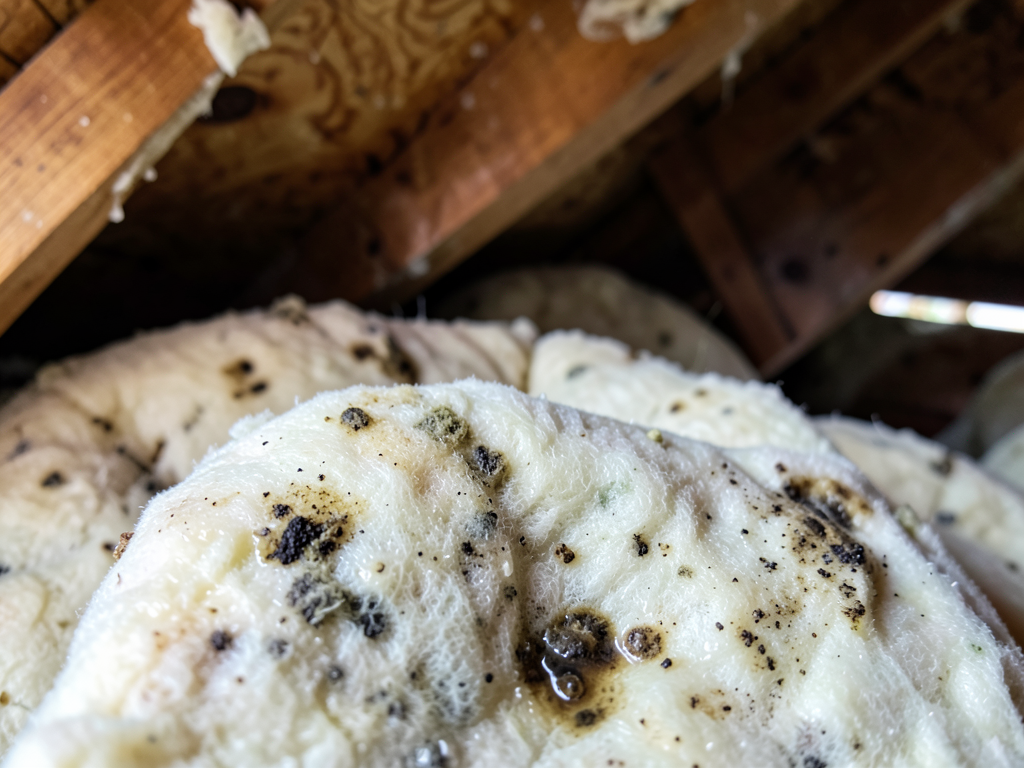
Close-up photo showing wet fiberglass insulation with visible mold growth and water stains in an attic space
The Dangers of Delayed Replacement
Waiting to replace wet insulation creates multiple hazards for your Columbus home. First, mold growth accelerates rapidly in our humid climate. Stachybotrys chartarum, commonly known as black mold, thrives in the dark, moist environment of a wet attic. This mold produces mycotoxins that can cause respiratory problems, allergic reactions, and other health issues for your family. Rapid Response Flood Extraction.
Second, wet insulation adds significant weight to your ceiling structure. A square foot of saturated fiberglass can weigh three to four times more than dry insulation. Over time, this extra weight can cause ceiling drywall to sag or even collapse, especially in older Columbus homes with plaster ceilings.. Read more about How to properly dry out original plaster walls in your Franklin Park historic home.
Third, the R-value of wet insulation drops to nearly zero. Your heating and cooling systems must work harder to maintain comfortable temperatures, leading to higher energy bills. In some cases, homeowners notice their energy costs increase by 20-30% when insulation becomes compromised.
Finally, trapped moisture can lead to wood rot in your roof rafters and ceiling joists. This structural damage is expensive to repair and can compromise the safety of your entire home. The combination of mold, structural weakness, and energy loss makes prompt insulation replacement essential. EPA Mold Resources.
Our Step-by-Step Restoration Process
Professional water damage restoration follows specific protocols to ensure your Columbus home is properly restored. The process begins with a thorough inspection using moisture meters and thermal imaging cameras to map the extent of water damage. This diagnostic step is crucial because water often travels along rafters and can affect areas you cannot see.. Read more about How thermal imaging helps us find hidden water leaks in your Columbus home.
Next, we safely remove all contaminated materials. This includes not just the wet insulation but also any mold-affected wood surfaces. Our team uses HEPA-filtered vacuums and negative air pressure containment to prevent mold spores from spreading to other parts of your home during removal.
The third step involves treating all exposed surfaces with EPA-registered antimicrobial solutions. This kills any remaining mold spores and prevents future growth. We then use commercial-grade dehumidifiers and air movers to completely dry the attic space, typically running equipment for 3-5 days depending on the extent of moisture.
Finally, we install new insulation to current Ohio building code standards. The 2020 Ohio Residential Code requires R-49 insulation in attics for our climate zone. We use moisture-resistant materials and ensure proper vapor barrier installation to prevent future moisture problems.
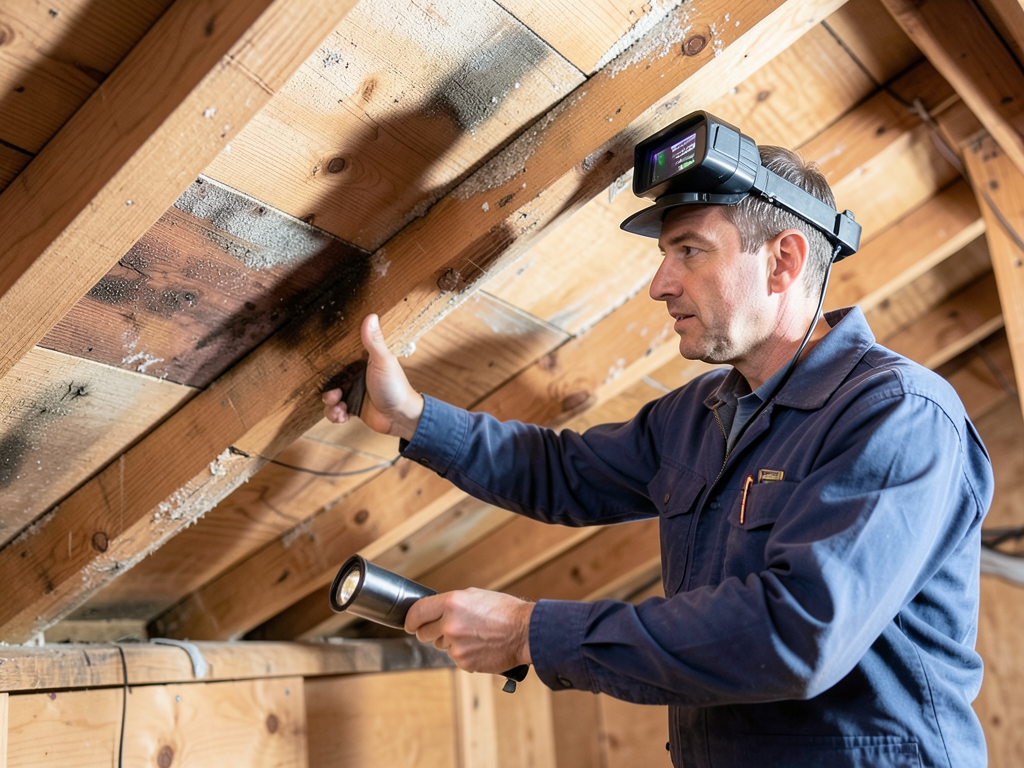
Technician using thermal imaging camera to detect moisture patterns in attic rafters during inspection
Navigating Insurance Claims in Ohio
Most homeowners insurance policies in Columbus cover sudden and accidental water damage, including roof leaks that cause attic insulation damage. However, coverage can be denied if the insurance company determines the damage resulted from long-term neglect or lack of maintenance.
When filing a claim, documentation is critical. Take photos of the damage immediately after discovery, including any visible water stains, wet insulation, and affected areas. Keep receipts for any emergency services you hire to prevent further damage. Many Columbus restoration companies work directly with insurance providers and can help you navigate the claims process.
Common insurance scenarios in our area include ice dam damage during winter months, wind-driven rain during summer storms, and plumbing leaks from attic bathrooms. Each situation may be handled differently by your insurance adjuster, so having professional documentation of the damage extent is invaluable. Fixing storm and flood damage in Hilliard after heavy rains.
Remember that insurance typically covers the cost of restoration, not just the visible damage. This means they should pay for complete insulation replacement, not just spot treatments, if the damage affects a significant portion of your attic space.
Why Choose a Columbus-Based Specialist?
Local knowledge makes a significant difference in water damage restoration. Columbus restoration specialists understand our unique climate challenges, from ice dam formation on historic German Village homes to the specific building practices used in newer developments like New Albany and Dublin. What to do right now if your Dublin basement just flooded.
Columbus homes built before 1980 often have different construction methods than newer homes. Older homes may have plaster ceilings that require special handling when removing wet insulation. Understanding these local architectural nuances helps prevent additional damage during the restoration process.
Local specialists also know the specific building codes and permit requirements in Franklin County. They can ensure your restoration project complies with all local regulations and passes inspection. This local expertise can save you time and prevent costly mistakes.
Additionally, Columbus-based companies can respond more quickly to emergencies. When you have water pouring into your attic during a storm, waiting for a contractor to drive from another city is not an option. Local response times can mean the difference between a simple repair and extensive mold remediation.
Common Causes of Wet Attic Insulation in Columbus
Understanding the source of water damage helps prevent future problems. In Columbus, the most common causes include ice dam formation during winter months. When snow melts on your roof and refreezes at the eaves, it creates a barrier that forces water under shingles and into your attic.
Roof damage from severe weather is another frequent cause. Central Ohio experiences strong thunderstorms, hail, and occasional tornadoes that can damage roofing materials. Even small gaps in shingles or flashing can allow significant water intrusion over time.
Plumbing issues in attic bathrooms or HVAC equipment can also cause insulation damage. A small leak in a supply line or condensation from an improperly installed air handler can slowly saturate insulation over weeks or months before becoming visible.
Finally, poor attic ventilation contributes to moisture problems. Without proper airflow, humidity from your living space can rise into the attic and condense on cold surfaces during temperature changes. This creates a persistent moisture problem that gradually damages insulation and promotes mold growth.
Preventing Future Attic Moisture Problems
After replacing wet insulation, taking preventive measures can protect your investment. Start with proper attic ventilation. Most building codes require 1 square foot of ventilation for every 150 square feet of attic space, divided between soffit and ridge vents. This airflow helps prevent moisture buildup and regulates attic temperature.
Consider installing ice and water shield along your roof eaves if you don’t already have it. This waterproof membrane provides extra protection against ice dams and wind-driven rain. Many Columbus roofing contractors recommend extending this protection at least 6 feet up from the eaves.
Regular roof inspections can catch problems before they cause major damage. Look for missing or damaged shingles, deteriorated flashing around chimneys and vents, and signs of water staining on your ceiling. Professional inspections every 2-3 years can identify issues while they’re still minor.
Finally, ensure your bathroom exhaust fans and dryer vents are properly vented to the exterior, not into the attic. This simple step prevents a major source of attic moisture that can damage insulation over time.
Before and after comparison showing attic space with removed wet insulation and newly installed moisture-resistant insulation
Frequently Asked Questions
How long does it take to replace wet attic insulation?
The complete process typically takes 3-7 days depending on the extent of damage. Inspection and moisture mapping take 1-2 hours. Removal of contaminated materials usually requires 1-2 days. Drying the space takes 3-5 days with commercial equipment. Final insulation installation can often be completed in one day.
Can I just dry out the insulation myself?
DIY drying is rarely successful and can be dangerous. Standard household fans cannot remove moisture from fiberglass fibers effectively. More importantly, if mold is present, disturbing wet insulation can release millions of spores into your living space. Professional equipment and containment procedures are necessary for safe remediation.
Will my energy bills decrease after replacing wet insulation?
Yes, most homeowners see noticeable improvements in energy efficiency. Wet insulation has virtually no R-value, so replacing it restores your attic’s thermal protection. In Columbus’s climate, this can reduce heating and cooling costs by 15-25% depending on the extent of the original damage and your home’s overall efficiency.
Does homeowners insurance cover insulation replacement?
Most policies cover sudden and accidental water damage, including insulation replacement if caused by covered perils like storms or plumbing failures. However, damage from lack of maintenance or gradual wear may be excluded. Your restoration company can help document the damage for your insurance claim.
How can I tell if my attic insulation is wet?
Signs include water stains on your ceiling, a musty odor in your home, visible sagging in ceiling areas, and increased allergy symptoms. You might also notice your HVAC system running constantly or uneven temperatures between rooms. Professional moisture meters can detect hidden wetness that you cannot see.
Take Action Before More Damage Occurs
Wet attic insulation is not a problem that improves with time. Every day you wait increases the risk of mold growth, structural damage, and higher restoration costs. If you’ve noticed water stains on your ceiling, a musty smell in your home, or experienced a recent roof leak, don’t wait for the problem to get worse.
Professional assessment can determine the full extent of damage and provide a clear plan for restoration. With proper equipment and expertise, most insulation replacement projects can be completed quickly with minimal disruption to your daily life.
Columbus’s climate creates year-round risks for attic moisture problems. Whether from ice dams in winter or summer storms, protecting your home requires prompt attention to any signs of water damage. The cost of replacement is far less than the potential expenses of mold remediation, structural repairs, and increased energy bills.
Call (614) 707-7505 today to schedule your inspection. Our team can assess your attic’s condition and provide a detailed plan for restoration. Don’t let wet insulation compromise your home’s safety, efficiency, and value. Pick up the phone and call (614) 707-7505 before the next storm hits.
Remember, in Columbus’s climate, wet insulation almost always needs replacement. The question isn’t whether you can save it, but how quickly you can get it removed before mold takes hold. Your home’s health and your family’s safety depend on making the right choice now.
Act today. Call (614) 707-7505 for your professional assessment and take the first step toward protecting your Columbus home from water damage. For more information, visit IICRC S500 Standards.
{
“@context”: “https://schema.org”,
“@type”: “BlogPosting”,
“headline”: “Why you almost always have to replace wet fiberglass insulation in your Columbus attic”,
“description”: “Learn why wet fiberglass insulation in Columbus attics rarely dries properly and must be replaced. Discover the mold risks, R-value loss, and proper restoration process for Ohio homes.”,
“wordCount”: 2074,
“datePublished”: “2026-05-10T13:49:00.000Z”,
“dateModified”: “2026-05-10T13:49:00.000Z”,
“inLanguage”: “en-US”,
“mainEntityOfPage”: {
“@type”: “WebPage”,
“@id”: “https://fivestarwaterdamagerestorationcolumbus.com”
},
“publisher”: {
“@type”: “LocalBusiness”,
“name”: “Five Star Water Damage Restoration Columbus”,
“url”: “https://fivestarwaterdamagerestorationcolumbus.com”
},
“author”: {
“@type”: “Organization”,
“name”: “Five Star Water Damage Restoration Columbus”,
“url”: “https://fivestarwaterdamagerestorationcolumbus.com”
},
“image”: {
“@type”: “ImageObject”,
“url”: “https://fivestarwaterdamagerestorationcolumbus.com/wp-content/uploads/2026/03/why-you-almost-always-have-to-replace-wet-fibergla-1.png”
}
}
{
“@context”: “https://schema.org”,
“@type”: “LocalBusiness”,
“name”: “Five Star Water Damage Restoration Columbus”,
“url”: “https://fivestarwaterdamagerestorationcolumbus.com”,
“address”: {
“@type”: “PostalAddress”,
“addressLocality”: “Columbus”
},
“areaServed”: {
“@type”: “City”,
“name”: “Columbus”
}
}
{
“@context”: “https://schema.org”,
“@type”: “FAQPage”,
“mainEntity”: [
{
“@type”: “Question”,
“name”: “Can Wet Attic Insulation Be Saved?”,
“acceptedAnswer”: {
“@type”: “Answer”,
“text”: “The answer depends on what type of insulation you have and how long it’s been wet. Fiberglass batts and blown-in cellulose insulation almost never recover from water exposure. When fiberglass gets wet, the fibers compress and clump together, destroying the air pockets that give it insulating properties. Cellulose, made from recycled paper, absorbs water like a sponge and quickly begins to rot and grow mold.”
}
},
{
“@type”: “Question”,
“name”: “Why Choose a Columbus-Based Specialist?”,
“acceptedAnswer”: {
“@type”: “Answer”,
“text”: “Local knowledge makes a significant difference in water damage restoration. Columbus restoration specialists understand our unique climate challenges, from ice dam formation on historic German Village homes to the specific building practices used in newer developments like New Albany and Dublin. What to do right now if your Dublin basement just flooded.”
}
},
{
“@type”: “Question”,
“name”: “How long does it take to replace wet attic insulation?”,
“acceptedAnswer”: {
“@type”: “Answer”,
“text”: “The complete process typically takes 3-7 days depending on the extent of damage. Inspection and moisture mapping take 1-2 hours. Removal of contaminated materials usually requires 1-2 days. Drying the space takes 3-5 days with commercial equipment. Final insulation installation can often be completed in one day.”
}
},
{
“@type”: “Question”,
“name”: “Can I just dry out the insulation myself?”,
“acceptedAnswer”: {
“@type”: “Answer”,
“text”: “DIY drying is rarely successful and can be dangerous. Standard household fans cannot remove moisture from fiberglass fibers effectively. More importantly, if mold is present, disturbing wet insulation can release millions of spores into your living space. Professional equipment and containment procedures are necessary for safe remediation.”
}
},
{
“@type”: “Question”,
“name”: “Will my energy bills decrease after replacing wet insulation?”,
“acceptedAnswer”: {
“@type”: “Answer”,
“text”: “Yes, most homeowners see noticeable improvements in energy efficiency. Wet insulation has virtually no R-value, so replacing it restores your attic’s thermal protection. In Columbus’s climate, this can reduce heating and cooling costs by 15-25% depending on the extent of the original damage and your home’s overall efficiency.”
}
},
{
“@type”: “Question”,
“name”: “Does homeowners insurance cover insulation replacement?”,
“acceptedAnswer”: {
“@type”: “Answer”,
“text”: “Most policies cover sudden and accidental water damage, including insulation replacement if caused by covered perils like storms or plumbing failures. However, damage from lack of maintenance or gradual wear may be excluded. Your restoration company can help document the damage for your insurance claim.”
}
},
{
“@type”: “Question”,
“name”: “How can I tell if my attic insulation is wet?”,
“acceptedAnswer”: {
“@type”: “Answer”,
“text”: “Signs include water stains on your ceiling, a musty odor in your home, visible sagging in ceiling areas, and increased allergy symptoms. You might also notice your HVAC system running constantly or uneven temperatures between rooms. Professional moisture meters can detect hidden wetness that you cannot see.”
}
}
]
}
{
“@context”: “https://schema.org”,
“@type”: “BreadcrumbList”,
“itemListElement”: [
{
“@type”: “ListItem”,
“position”: 1,
“name”: “Home”,
“item”: “https://fivestarwaterdamagerestorationcolumbus.com”
},
{
“@type”: “ListItem”,
“position”: 2,
“name”: “Blog”,
“item”: “https://fivestarwaterdamagerestorationcolumbus.com/blog”
},
{
“@type”: “ListItem”,
“position”: 3,
“name”: “Why you almost always have to replace wet fiberglass insulation in your Columbus attic”
}
]
}
{
“@context”: “https://schema.org”,
“@type”: “Service”,
“serviceType”: “Water Damage Restoration”,
“provider”: {
“@type”: “LocalBusiness”,
“name”: “Five Star Water Damage Restoration Columbus”,
“url”: “https://fivestarwaterdamagerestorationcolumbus.com”
},
“areaServed”: {
“@type”: “City”,
“name”: “Columbus”
},
“description”: “Learn why wet fiberglass insulation in Columbus attics rarely dries properly and must be replaced. Discover the mold risks, R-value loss, and proper restoration process for Ohio homes.”
}