
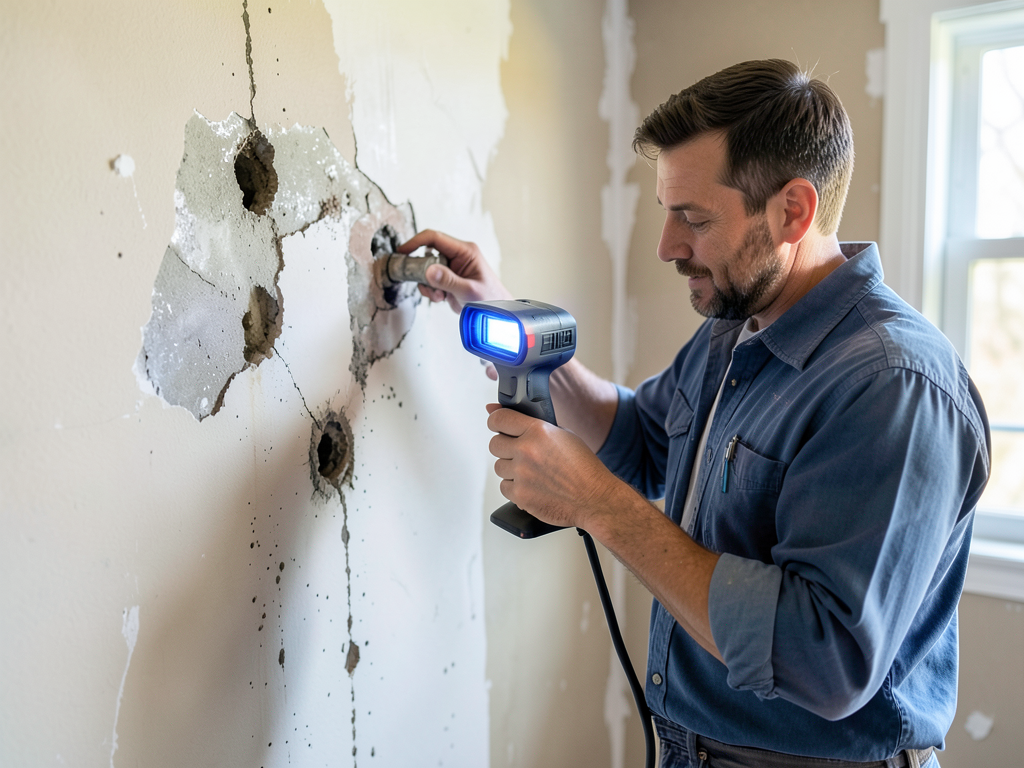
Why your Franklinton renovation smells like sewage even if you don’t see a leak
That rotten egg smell in your Franklinton home isn’t just unpleasant—it’s a warning sign. Sewer gas contains hydrogen sulfide and methane, both of which can be dangerous at high concentrations. If you’re renovating and suddenly notice that foul odor, something’s wrong with your plumbing system even if you don’t see any visible leaks.. Read more about Why a leaking plumbing vent on your Hilliard roof might look like a ceiling leak.
Franklinton’s historic homes, many built before 1950, often have aging clay sewer pipes that crack from soil movement or tree root intrusion. The neighborhood’s proximity to the Scioto River also means higher groundwater levels, which can create pressure on old sewer lines. Before you paint over that smell or install new flooring, you need to identify and fix the source. Professional water damage restoration for Short North shops and galleries.
Common causes of sewer gas in Franklinton homes
Sewer gas enters your home through several pathways. The most common culprit is a dried-out P-trap under sinks, showers, or floor drains that haven’t been used recently. These U-shaped pipes hold water that blocks sewer gases from rising into your living space. When that water evaporates, the barrier disappears.
Another frequent issue in older Franklinton properties is cracked vent stacks. These pipes run from your plumbing system through the roof, allowing sewer gases to escape safely outdoors. Over decades, temperature changes and weather cause these stacks to develop hairline cracks that release gases into your attic or walls.
Floor drains in basements and laundry rooms are particularly problematic. Many older homes have drains that connect directly to the sewer system but lack proper traps or have traps that dried out years ago. During heavy rains, these drains can also back up, bringing sewage odors into your home.
Health risks you can’t ignore
Hydrogen sulfide, the compound that gives sewer gas its characteristic rotten egg smell, becomes dangerous at higher concentrations. Even low-level exposure can cause headaches, dizziness, nausea, and eye irritation. At elevated levels, it can lead to loss of consciousness or respiratory failure.
Methane, another major component of sewer gas, is flammable and can create explosion hazards in confined spaces. While the smell might seem like just a nuisance, it’s actually your body’s warning system telling you something is wrong with your indoor air quality.
Children, elderly family members, and people with respiratory conditions are especially vulnerable to these gases. If you notice the smell intensifying or experience symptoms like burning eyes, throat irritation, or persistent headaches, evacuate immediately and call for professional help.
Franklinton-specific plumbing challenges
Franklinton’s location near the Scioto River creates unique plumbing problems. The area’s clay soil expands and contracts with moisture changes, putting stress on underground pipes. Many homes in the neighborhood were built between 1900 and 1940, meaning they have cast iron or clay sewer lines that are now 80-120 years old.
The neighborhood’s combined sewer system, common in older Columbus areas, means stormwater and sewage share the same pipes. During heavy rains, this system can back up, forcing sewer gases back into homes through floor drains and toilets. The recent Columbus Department of Public Utilities infrastructure upgrades have helped, but many older properties still face these issues.
Tree roots from Franklinton’s mature canopy are another major problem. Species like silver maple and oak send roots searching for water, and old clay pipes with loose joints are perfect targets. These roots create blockages that cause sewage to back up and release gases into your home.
DIY troubleshooting steps
Before calling professionals, try these simple checks. Run water in all sinks, tubs, and floor drains for 30 seconds. This refills any dried P-traps. If the smell disappears within an hour, you’ve likely solved the problem.
Check your basement floor drain. Pour a bucket of water down it and observe if the smell diminishes. Many homeowners forget about these drains until problems arise.
Inspect visible plumbing under sinks for leaks or damage. Look for cracked pipes, loose connections, or signs of moisture. Even small leaks can allow sewer gases to escape.
Check your toilet’s wax ring seal. A failing seal can let gases escape around the base of the toilet. If the toilet rocks or you notice water damage around the base, the seal needs replacement.
When to call water damage restoration professionals
If DIY steps don’t resolve the issue within 24 hours, or if you notice water damage alongside the smell, it’s time for professional help. Water damage restoration experts use specialized equipment to detect hidden moisture and identify the source of sewer gas infiltration.
Professionals conduct hydrostatic testing to check for pipe leaks under pressure. They use smoke testing to visualize where gases are escaping from your plumbing system. Thermal imaging cameras can detect temperature differences that indicate moisture behind walls or under floors.
According to IICRC S500 standards, any sewage contamination requires professional sanitization to prevent bacterial growth and mold. This isn’t just about removing the smell—it’s about protecting your family’s health.
Our professional restoration process
When you call Five Star Water Damage Restoration, we follow a systematic approach. First, we conduct a comprehensive inspection using moisture meters, gas detectors, and thermal imaging to locate the source of the problem.
Next, we contain the affected area to prevent cross-contamination. This includes setting up negative air pressure and using HEPA filtration to remove airborne contaminants.
We then remove contaminated materials following Franklin County Health Department guidelines. Porous materials like drywall, insulation, and carpeting that have been exposed to sewage must be discarded.
The final step involves thorough sanitization using EPA-registered disinfectants and specialized equipment to neutralize odors at the molecular level, not just mask them.
Prevention strategies for Franklinton homeowners
Regular plumbing maintenance can prevent most sewer gas issues. Schedule annual inspections of your plumbing system, especially if your home is over 50 years old. Look for early warning signs like slow drains, gurgling sounds, or recurring odors.
Install waterless P-traps on floor drains that aren’t used frequently. These devices maintain a seal without requiring water, perfect for seasonal properties or rarely used spaces.
Consider upgrading old clay or cast iron sewer lines to modern PVC. While expensive, this investment prevents emergency repairs and protects your home’s value. Many Franklinton homes are undergoing this upgrade as part of renovation projects.
Keep trees with aggressive root systems away from your sewer lines. If you have existing trees near pipes, consider root barriers or regular root maintenance.
Insurance considerations
Most homeowner insurance policies don’t cover gradual sewer line deterioration, but they often cover sudden damage from events like tree root intrusion or pipe collapse. Document everything with photos and keep receipts for any emergency repairs.
If you’re renovating, talk to your insurance provider about adding sewer backup coverage. This inexpensive addition can save thousands if you experience a major backup during your project.
Keep in mind that water damage restoration companies like Five Star can often bill insurance directly, reducing your out-of-pocket expenses during an already stressful situation.
Emergency response in Franklinton
Franklinton’s location makes emergency response times critical. During heavy rains, the area’s low elevation near the Scioto River can cause rapid flooding and sewer backups. That’s why Five Star Water Damage Restoration maintains 24/7 emergency response teams specifically trained for Franklinton’s unique challenges. Rapid Response Flood Extraction.
Our technicians arrive within 60 minutes of your call, equipped with industrial-grade dehumidifiers, air scrubbers, and moisture detection equipment. We understand that every hour counts when dealing with sewage contamination.
We coordinate directly with the Columbus Department of Public Utilities when municipal sewer issues are involved, ensuring a comprehensive solution rather than just treating symptoms.
Don’t ignore that smell
That sewage odor in your Franklinton home is trying to tell you something important. Whether it’s a simple dried P-trap or a serious sewer line issue, ignoring it won’t make it go away. The longer you wait, the more extensive and expensive the damage becomes.
Franklinton’s historic charm comes with unique maintenance challenges. The neighborhood’s aging infrastructure requires proactive care to prevent problems that can affect both your health and your home’s value.
Call (614) 707-7505 today to schedule your inspection. Our experienced technicians will identify the source of the odor, assess any damage, and provide a clear plan for restoration. Don’t let that smell linger—your family’s health and your home’s integrity depend on quick action.
Frequently Asked Questions
Is sewer gas smell dangerous?
Yes. Sewer gas contains hydrogen sulfide and methane which can cause health problems ranging from headaches and nausea to respiratory failure at high concentrations. The smell itself is a warning sign that should never be ignored.
How much does professional sewer gas remediation cost?
Costs vary based on the source and extent of contamination. Simple P-trap replacements might cost $150-300, while extensive sewer line repairs or professional sanitization can range from $2,000-8,000. Insurance may cover some costs depending on your policy.
Can I fix sewer gas smell myself?
Simple causes like dried P-traps can often be fixed with DIY methods. However, if the smell persists after basic troubleshooting, or if you notice water damage or health symptoms, professional assessment is necessary to ensure proper remediation and prevent further damage. Mold Remediation & Removal.
How long does professional remediation take?
Most residential sewer gas remediation projects take 1-3 days depending on the extent of contamination. Emergency services can often begin work within hours of your call, with complete resolution typically achieved within 24-72 hours.
Will the smell come back after professional treatment?
Professional remediation addresses the root cause, not just the symptoms. When properly executed following IICRC standards, the smell should not return. However, if underlying plumbing issues remain unresolved, problems may recur, which is why thorough diagnosis is essential.
You may also find this helpful. Understanding the three categories of water and why they change your cleanup costs.
{
“@context”: “https://schema.org”,
“@type”: “BlogPosting”,
“headline”: “Why your Franklinton renovation smells like sewage even if you don’t see a leak”,
“description”: “That foul odor in your Franklinton home isn’t normal. Learn the dangerous causes of sewer gas, health risks, and when to call Columbus water damage experts.”,
“wordCount”: 1615,
“datePublished”: “2026-06-01T12:45:00.000Z”,
“dateModified”: “2026-06-01T12:45:00.000Z”,
“inLanguage”: “en-US”,
“mainEntityOfPage”: {
“@type”: “WebPage”,
“@id”: “https://fivestarwaterdamagerestorationcolumbus.com”
},
“publisher”: {
“@type”: “LocalBusiness”,
“name”: “Five Star Water Damage Restoration Columbus”,
“url”: “https://fivestarwaterdamagerestorationcolumbus.com”
},
“author”: {
“@type”: “Organization”,
“name”: “Five Star Water Damage Restoration Columbus”,
“url”: “https://fivestarwaterdamagerestorationcolumbus.com”
},
“image”: {
“@type”: “ImageObject”,
“url”: “https://fivestarwaterdamagerestorationcolumbus.com/wp-content/uploads/2026/03/why-your-franklinton-renovation-smells-like-sewage-1.png”
}
}
{
“@context”: “https://schema.org”,
“@type”: “LocalBusiness”,
“name”: “Five Star Water Damage Restoration Columbus”,
“url”: “https://fivestarwaterdamagerestorationcolumbus.com”,
“address”: {
“@type”: “PostalAddress”,
“addressLocality”: “Columbus”
},
“areaServed”: {
“@type”: “City”,
“name”: “Columbus”
}
}
{
“@context”: “https://schema.org”,
“@type”: “FAQPage”,
“mainEntity”: [
{
“@type”: “Question”,
“name”: “How much does professional sewer gas remediation cost?”,
“acceptedAnswer”: {
“@type”: “Answer”,
“text”: “Costs vary based on the source and extent of contamination. Simple P-trap replacements might cost $150-300, while extensive sewer line repairs or professional sanitization can range from $2,000-8,000. Insurance may cover some costs depending on your policy.”
}
},
{
“@type”: “Question”,
“name”: “Can I fix sewer gas smell myself?”,
“acceptedAnswer”: {
“@type”: “Answer”,
“text”: “Simple causes like dried P-traps can often be fixed with DIY methods. However, if the smell persists after basic troubleshooting, or if you notice water damage or health symptoms, professional assessment is necessary to ensure proper remediation and prevent further damage. Mold Remediation & Removal.”
}
},
{
“@type”: “Question”,
“name”: “How long does professional remediation take?”,
“acceptedAnswer”: {
“@type”: “Answer”,
“text”: “Most residential sewer gas remediation projects take 1-3 days depending on the extent of contamination. Emergency services can often begin work within hours of your call, with complete resolution typically achieved within 24-72 hours.”
}
},
{
“@type”: “Question”,
“name”: “Will the smell come back after professional treatment?”,
“acceptedAnswer”: {
“@type”: “Answer”,
“text”: “Professional remediation addresses the root cause, not just the symptoms. When properly executed following IICRC standards, the smell should not return. However, if underlying plumbing issues remain unresolved, problems may recur, which is why thorough diagnosis is essential.”
}
}
]
}
{
“@context”: “https://schema.org”,
“@type”: “BreadcrumbList”,
“itemListElement”: [
{
“@type”: “ListItem”,
“position”: 1,
“name”: “Home”,
“item”: “https://fivestarwaterdamagerestorationcolumbus.com”
},
{
“@type”: “ListItem”,
“position”: 2,
“name”: “Blog”,
“item”: “https://fivestarwaterdamagerestorationcolumbus.com/blog”
},
{
“@type”: “ListItem”,
“position”: 3,
“name”: “Why your Franklinton renovation smells like sewage even if you don’t see a leak”
}
]
}
{
“@context”: “https://schema.org”,
“@type”: “Service”,
“serviceType”: “Water Damage Restoration”,
“provider”: {
“@type”: “LocalBusiness”,
“name”: “Five Star Water Damage Restoration Columbus”,
“url”: “https://fivestarwaterdamagerestorationcolumbus.com”
},
“areaServed”: {
“@type”: “City”,
“name”: “Columbus”
},
“description”: “That foul odor in your Franklinton home isn’t normal. Learn the dangerous causes of sewer gas, health risks, and when to call Columbus water damage experts.”
}