Diagnostic testing during the drying process
Professional restoration technicians use moisture meters to test materials at multiple depths. A surface reading might show 12% moisture while the core reads 22%. This hidden moisture extends drying time by 24-48 hours if not detected.
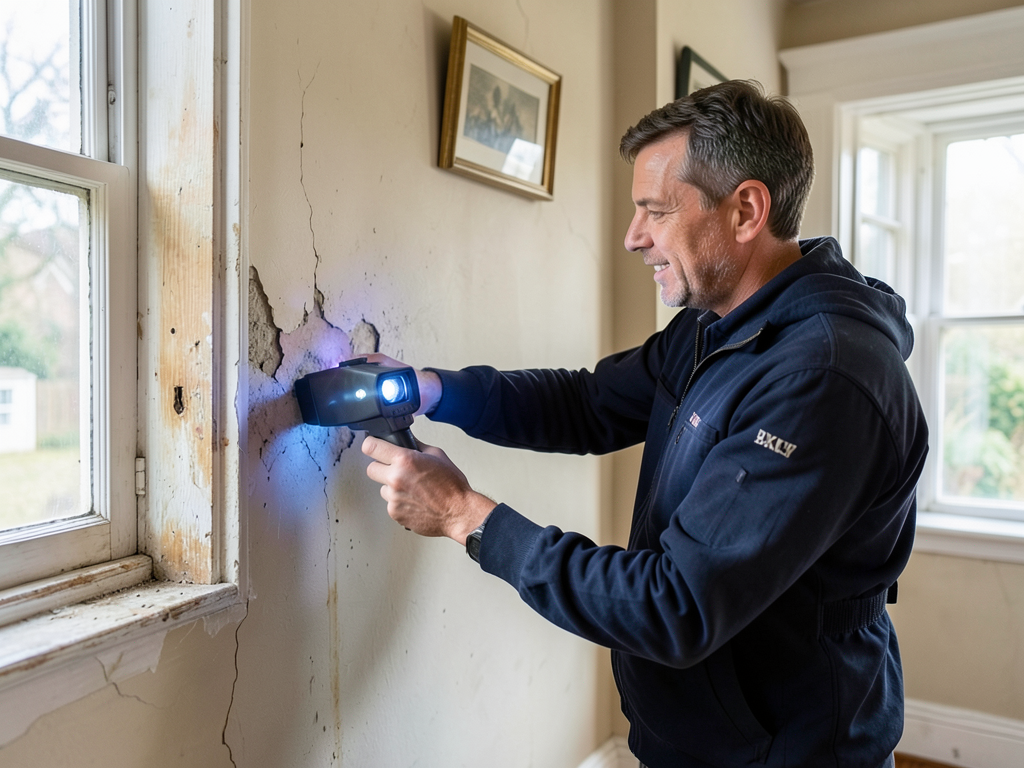
Thermal imaging cameras identify temperature variations that indicate moisture behind walls. A cool spot on a thermal scan often reveals a water pocket requiring targeted drying. This technology prevents unnecessary demolition while ensuring complete moisture removal.. Read more about Why that tiny plastic tube behind your fridge is a major flood risk for King-Lincoln homes.
Air quality monitoring during drying tracks humidity levels and detects potential mold growth. Readings above 60% relative humidity trigger additional dehumidification even when surface materials appear dry.
Common Columbus water damage scenarios and their timelines
A washing machine supply line break in a Hilliard ranch home typically requires three days to dry completely. The open floor plan allows good air circulation but engineered wood flooring needs specialized drying mats to prevent warping.. Read more about Can your LVP flooring actually survive a flood in your Worthington Hills home?.
A second-floor bathroom leak in a Worthington colonial often affects ceilings below and requires four to five days. The multi-level damage creates complex drying chambers that need separate monitoring and equipment placement.
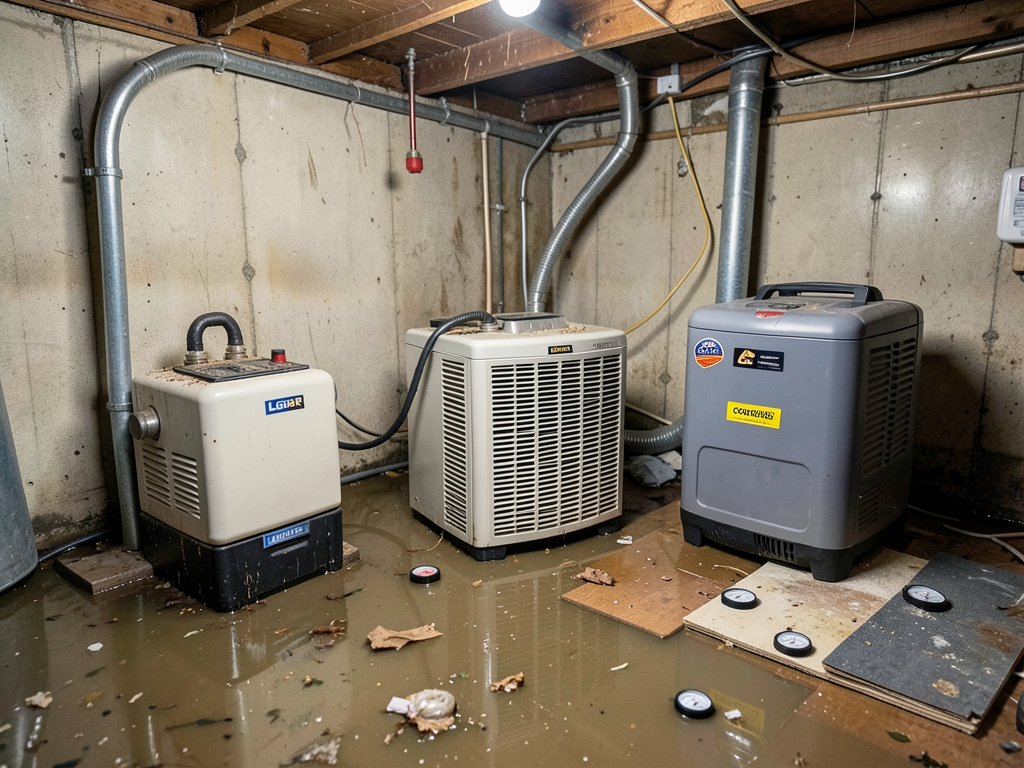
A sump pump failure during a heavy rain event in a basement recreation room in Gahanna can take up to seven days. The combination of groundwater and carpet padding creates deep moisture pockets that resist standard drying methods.
Factors that extend the drying timeline
Hidden moisture in wall cavities adds 24-48 hours to any drying project. Water travels along studs and collects in insulation creating slow-release moisture sources that standard air movers cannot reach.
Material density significantly impacts drying time. Concrete subfloors in newer Dublin developments absorb water like a sponge and release it slowly over several days. Hardwood flooring in historic Bexley homes requires specialized drying mats and can take up to seven days to stabilize. What to do right now if your Dublin basement just flooded.
Insurance adjuster delays affect the overall timeline. While drying can proceed immediately, reconstruction cannot begin until the adjuster approves the scope of work. This administrative delay often extends the total project by one to two weeks.
Professional vs DIY drying outcomes
DIY attempts using household fans and dehumidifiers typically fail within 48 hours. Consumer equipment moves 100-200 cubic feet per minute while professional air movers move 2000-3000 CFM. This difference means DIY setups leave 70-80% of moisture behind.. Read more about Selling your house in Whitehall after it had water damage (and what you have to disclose).
Professional drying follows a systematic approach. Technicians create a drying plan based on psychometric calculations that factor air temperature, humidity, and material properties. This science-based method ensures complete drying while preventing secondary damage like warping or mold growth.
DIY drying often leads to mold growth within the standard three to seven day professional timeline. By the time homeowners realize their efforts failed, mold has already begun growing in hidden areas.
Insurance considerations during the drying process
Most Columbus homeowners insurance policies cover water damage from sudden and accidental causes. Gradual leaks from aging plumbing are typically excluded. The drying phase is covered under the mitigation portion of the claim.. Read more about Questions you should ask a Columbus water restoration company before you sign any paperwork.
Documentation during drying becomes critical for insurance claims. Daily moisture readings, photos of equipment placement, and notes about affected materials provide the proof needed for claim approval. Missing documentation often results in coverage denials.
Ohio insurance carriers expect restoration companies to follow IICRC S500 standards. Deviations from these standards can result in claim denials or reduced payments. Professional companies provide documentation showing compliance with these industry standards.
Preventing extended drying times
Immediate response prevents most extended drying scenarios. Calling for professional help within the first hour can reduce the total drying time by 24-48 hours. Every hour of delay allows water to spread deeper into materials. Rapid Response Flood Extraction.
Content manipulation protects personal belongings and speeds up structural drying. Moving furniture off wet carpet prevents staining and allows better air circulation. Removing area rugs prevents dye transfer and allows subfloor drying.
Temperature control accelerates drying. Maintaining indoor temperatures between 70-90 degrees Fahrenheit optimizes evaporation rates. Professional drying equipment can maintain these temperatures even when outdoor conditions are extreme.
When reconstruction can begin
Reconstruction cannot begin until moisture content reaches acceptable levels. Wood materials must test below 15% moisture content. Concrete subfloors require readings below 4-6%. These readings must be documented and verified by the restoration company.
Columbus building codes require permits for most reconstruction work. The Franklin County Building Department typically processes permits within 24-72 hours for emergency repairs. Historical districts like German Village may require additional review extending this timeline.
Material availability affects reconstruction timing. Specialty items like custom hardwood flooring or historic moldings may require weeks for delivery. Planning for these lead times prevents project delays once drying is complete.. Read more about Saving Custom Cabinetry and Built-Ins After a Flood in Muirfield Village.
Frequently Asked Questions
How can I tell if my house is completely dry?
Professional moisture meters provide the only accurate assessment. Visual inspection and touch cannot detect hidden moisture in wall cavities or under flooring. Daily monitoring by certified technicians ensures complete drying.
Will my insurance cover the entire drying process?
Most policies cover sudden and accidental water damage including professional drying. Gradual damage from maintenance issues is typically excluded. Your restoration company can help document the cause to support your claim.
Can I stay in my home during the drying process?
Many homeowners can remain during drying if the affected area is isolated. The equipment noise and equipment placement may make some areas unusable. Category 3 water damage often requires temporary relocation due to contamination concerns.
How does Ohio’s humidity affect drying times?
High humidity slows evaporation dramatically. Professional LGR dehumidifiers are essential in our climate. Without proper dehumidification, materials can feel dry to touch while retaining dangerous moisture levels that lead to mold growth.
What happens if I stop the drying process too early?
Stopping early typically results in mold growth within 48-72 hours. Hidden moisture continues to damage materials causing warping, swelling, and structural weakening. Complete drying is essential to prevent costly secondary damage.
Call for immediate water damage help
Water damage waits for no one. Every hour of delay extends your drying timeline and increases the risk of permanent damage. Our certified technicians arrive within 60 minutes with industrial equipment that can cut your drying time by days.
Don’t let a small leak become a major reconstruction project. Call (614) 707-7505 now for emergency water extraction and professional drying services throughout Columbus and surrounding communities. We work directly with your insurance company to ensure proper documentation and coverage.
Pick up the phone and call (614) 707-7505 before the next storm hits or that slow leak becomes a flood. Our 24/7 emergency response team is ready to protect your home and your peace of mind. Fixing storm and flood damage in Hilliard after heavy rains.
You may also find this helpful. Why you shouldn’t ignore wet air ducts after a flood in your Westgate home.
You may also find this helpful. Why your house still smells like a wet dog weeks after a flood in North Linden.
{
“@context”: “https://schema.org”,
“@type”: “BlogPosting”,
“headline”: “How long it actually takes to dry out a house in Columbus after a major leak”,
“description”: “Discover the real timeline for drying out a Columbus home after major water damage. Learn what affects drying time, from IICRC standards to Ohio’s humid climate.”,
“wordCount”: 1489,
“datePublished”: “2026-04-08T06:16:00.000Z”,
“dateModified”: “2026-04-08T06:16:00.000Z”,
“inLanguage”: “en-US”,
“mainEntityOfPage”: {
“@type”: “WebPage”,
“@id”: “https://fivestarwaterdamagerestorationcolumbus.com”
},
“publisher”: {
“@type”: “LocalBusiness”,
“name”: “Five Star Water Damage Restoration Columbus”,
“url”: “https://fivestarwaterdamagerestorationcolumbus.com”
},
“author”: {
“@type”: “Organization”,
“name”: “Five Star Water Damage Restoration Columbus”,
“url”: “https://fivestarwaterdamagerestorationcolumbus.com”
},
“image”: {
“@type”: “ImageObject”,
“url”: “https://fivestarwaterdamagerestorationcolumbus.com/wp-content/uploads/2026/03/how-long-it-actually-takes-to-dry-out-a-house-in-c-1.png”
}
}
{
“@context”: “https://schema.org”,
“@type”: “LocalBusiness”,
“name”: “Five Star Water Damage Restoration Columbus”,
“url”: “https://fivestarwaterdamagerestorationcolumbus.com”,
“address”: {
“@type”: “PostalAddress”,
“addressLocality”: “Columbus”
},
“areaServed”: {
“@type”: “City”,
“name”: “Columbus”
}
}
{
“@context”: “https://schema.org”,
“@type”: “FAQPage”,
“mainEntity”: [
{
“@type”: “Question”,
“name”: “How can I tell if my house is completely dry?”,
“acceptedAnswer”: {
“@type”: “Answer”,
“text”: “Professional moisture meters provide the only accurate assessment. Visual inspection and touch cannot detect hidden moisture in wall cavities or under flooring. Daily monitoring by certified technicians ensures complete drying.”
}
},
{
“@type”: “Question”,
“name”: “Will my insurance cover the entire drying process?”,
“acceptedAnswer”: {
“@type”: “Answer”,
“text”: “Most policies cover sudden and accidental water damage including professional drying. Gradual damage from maintenance issues is typically excluded. Your restoration company can help document the cause to support your claim.”
}
},
{
“@type”: “Question”,
“name”: “Can I stay in my home during the drying process?”,
“acceptedAnswer”: {
“@type”: “Answer”,
“text”: “Many homeowners can remain during drying if the affected area is isolated. The equipment noise and equipment placement may make some areas unusable. Category 3 water damage often requires temporary relocation due to contamination concerns.”
}
},
{
“@type”: “Question”,
“name”: “How does Ohio’s humidity affect drying times?”,
“acceptedAnswer”: {
“@type”: “Answer”,
“text”: “High humidity slows evaporation dramatically. Professional LGR dehumidifiers are essential in our climate. Without proper dehumidification, materials can feel dry to touch while retaining dangerous moisture levels that lead to mold growth.”
}
},
{
“@type”: “Question”,
“name”: “What happens if I stop the drying process too early?”,
“acceptedAnswer”: {
“@type”: “Answer”,
“text”: “Stopping early typically results in mold growth within 48-72 hours. Hidden moisture continues to damage materials causing warping, swelling, and structural weakening. Complete drying is essential to prevent costly secondary damage.”
}
}
]
}
{
“@context”: “https://schema.org”,
“@type”: “BreadcrumbList”,
“itemListElement”: [
{
“@type”: “ListItem”,
“position”: 1,
“name”: “Home”,
“item”: “https://fivestarwaterdamagerestorationcolumbus.com”
},
{
“@type”: “ListItem”,
“position”: 2,
“name”: “Blog”,
“item”: “https://fivestarwaterdamagerestorationcolumbus.com/blog”
},
{
“@type”: “ListItem”,
“position”: 3,
“name”: “How long it actually takes to dry out a house in Columbus after a major leak”
}
]
}
{
“@context”: “https://schema.org”,
“@type”: “Service”,
“serviceType”: “Water Damage Restoration”,
“provider”: {
“@type”: “LocalBusiness”,
“name”: “Five Star Water Damage Restoration Columbus”,
“url”: “https://fivestarwaterdamagerestorationcolumbus.com”
},
“areaServed”: {
“@type”: “City”,
“name”: “Columbus”
},
“description”: “Discover the real timeline for drying out a Columbus home after major water damage. Learn what affects drying time, from IICRC standards to Ohio’s humid climate.”
}