
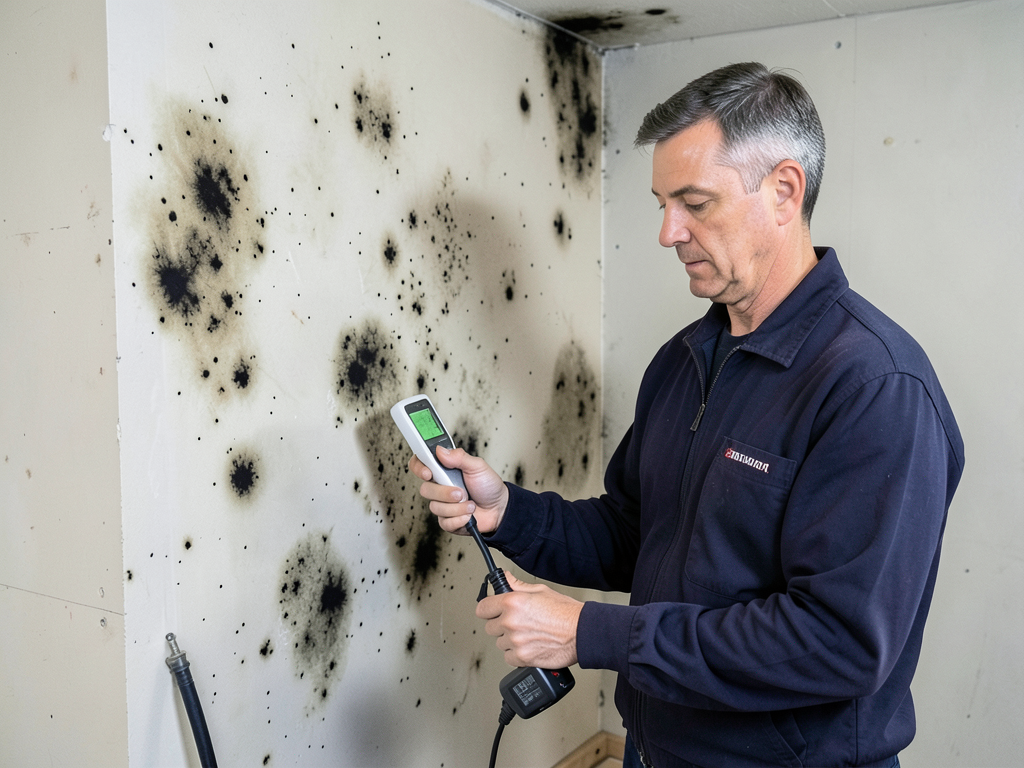
The real difference between common mildew and dangerous black mold in Eastmoor homes
Eastmoor homeowners often spot dark patches in bathrooms or basements and wonder if they’re dealing with harmless mildew or toxic black mold. The truth is that common mildew and dangerous black mold require completely different approaches. Mildew typically appears as flat, powdery patches that clean up easily, while black mold grows as thick, slimy colonies that can cause serious health problems. Understanding these differences helps you decide whether to grab a cleaning spray or call a professional mold inspector right away. What to do right now if your Dublin basement just flooded.
Key characteristics: A side-by-side comparison
Identifying whether you’re dealing with mildew or black mold starts with understanding their distinct characteristics. Here’s what to look for:
| Characteristic | Mildew | Black Mold (Stachybotrys) |
|---|---|---|
| Color | Gray, white, or light yellow | Dark green to black |
| Texture | Powdery or fluffy | Slimy or fuzzy |
| Growth pattern | Flat, surface-level patches | Thick, raised colonies |
| Common locations | Bathroom tiles, shower curtains | Wet drywall, ceiling tiles |
| Removal difficulty | Easy with household cleaners | Requires professional remediation |
What does mildew look and smell like?
Mildew typically grows on damp surfaces where moisture lingers. In Eastmoor homes, you’ll most often find it in bathrooms, laundry rooms, and poorly ventilated basements. It appears as flat, powdery patches that wipe away easily with a bleach solution or commercial mildew cleaner. The smell is musty but relatively mild – similar to damp laundry left in the washer too long. Mildew stays on the surface and doesn’t penetrate materials, making it a cleaning problem rather than a structural one.. Read more about Restoring Older Homes in Berwick After Water Damage (Without Worrying About Lead or Asbestos).
Common Eastmoor locations for mildew include shower grout lines, window sills where condensation collects, and basement walls with poor air circulation. The powdery texture distinguishes it from mold – if you brush against it and see a cloud of dust, that’s mildew. However, if the dark patch has a fuzzy or slimy texture that doesn’t wipe away easily, you might be looking at something more serious.
Identifying black mold (Stachybotrys chartarum)
Black mold, specifically Stachybotrys chartarum, presents a much more serious concern for Eastmoor homeowners. This toxic mold grows in areas with chronic moisture problems – typically where water damage has occurred and wasn’t properly dried within 24-48 hours. Unlike mildew, black mold penetrates porous materials like drywall, wood, and insulation. Professional water damage restoration for Short North shops and galleries.
Black mold colonies appear as dark green to black patches with a slimy or fuzzy texture. They often have a raised, three-dimensional appearance rather than lying flat against surfaces. The smell is distinctive – a strong, musty odor often described as earthy or similar to rotting leaves. This odor persists even after cleaning attempts because the mold has penetrated beyond the surface.
In Eastmoor’s older homes, common black mold locations include basements with foundation leaks, attics with roof leaks, and wall cavities where plumbing has leaked. The mold produces mycotoxins that can cause respiratory problems, headaches, and other health issues, particularly in children, elderly individuals, and those with compromised immune systems.
Why Columbus humidity makes mold growth more common
Columbus’s climate creates ideal conditions for mold growth, especially during humid summer months when relative humidity often exceeds 70%. Eastmoor’s proximity to Alum Creek and its mix of older and newer construction means many homes face unique moisture challenges. The area’s clay soil retains water, increasing hydrostatic pressure on basement walls and creating conditions where mold can thrive.. Read more about How lingering dampness in your Columbus home can actually affect your family’s health.
During Columbus’s rainy spring seasons, homes with poor drainage or foundation cracks become vulnerable to water intrusion. Once moisture enters wall cavities or crawl spaces, it creates perfect breeding grounds for black mold. The temperature fluctuations common in Central Ohio – from freezing winters to humid summers – cause building materials to expand and contract, creating gaps where moisture can enter and mold can establish itself.
According to the EPA’s moisture control guidelines, indoor humidity should stay between 30-50% to prevent mold growth. Many Eastmoor homes, particularly older constructions without modern vapor barriers, struggle to maintain these levels during peak humidity periods. EPA mold information.
Health risks: When identification becomes an emergency
While mildew primarily causes cosmetic damage and mild allergic reactions, black mold exposure can trigger serious health problems. The mycotoxins produced by Stachybotrys chartarum can cause respiratory distress, chronic fatigue, headaches, and in severe cases, neurological symptoms. Children exposed to black mold in their homes show increased rates of asthma and other respiratory conditions.
The health risk level depends on several factors: the extent of the mold growth, the duration of exposure, and the sensitivity of the people living in the home. A small mildew patch in a bathroom poses minimal risk, but extensive black mold growth in a bedroom or living area requires immediate professional intervention. The presence of a strong, persistent musty odor combined with visible dark growth indicates a situation that warrants professional assessment.
For Eastmoor residents, the health risk becomes particularly concerning given the area’s aging housing stock. Many homes built before modern building codes lack proper moisture barriers and ventilation systems, creating hidden spaces where black mold can grow undetected for months or years.
DIY testing vs. professional mold inspection
Homeowners often wonder whether they can identify mold problems themselves or need to call a professional. For mildew, a simple cleaning test works: apply a small amount of bleach to the affected area. If the dark patch lightens within minutes, it’s likely mildew. If it remains dark or spreads, you’re likely dealing with mold that has penetrated the material.
However, black mold requires professional testing because it can grow behind walls, under flooring, and in other hidden areas. Professional inspectors use moisture meters, thermal imaging cameras, and air quality testing to detect mold growth that isn’t visible to the naked eye. They follow the IICRC S520 standard for mold remediation, which provides specific protocols for containing and removing toxic mold safely. Mold Remediation & Removal.
DIY mold test kits available at hardware stores have significant limitations. They can confirm the presence of mold but cannot distinguish between harmless varieties and dangerous black mold. They also cannot detect hidden growth or determine the extent of contamination. For Eastmoor homes with suspected black mold, professional inspection provides the comprehensive assessment needed to develop an effective remediation plan.
Next steps for remediation in Central Ohio
If you’ve identified black mold in your Eastmoor home, the remediation process follows specific protocols to ensure safety and prevent recurrence. First, the affected area must be contained using plastic sheeting and negative air pressure to prevent mold spores from spreading to other parts of the home. All contaminated porous materials – including drywall, insulation, and carpeting – must be removed and properly disposed of.
The remediation process includes HEPA vacuuming all surfaces, cleaning with antimicrobial solutions, and ensuring the area is completely dry before reconstruction begins. According to EPA guidelines, the source of moisture must be identified and corrected – whether that’s a leaky pipe, poor drainage, or inadequate ventilation. Without addressing the moisture source, mold will return even after thorough cleaning.
For Eastmoor homeowners, local building codes require that mold remediation work be performed by certified professionals when contamination exceeds 10 square feet. This ensures proper containment procedures are followed and that the work meets health and safety standards. The cost of professional remediation varies based on the extent of contamination, but addressing the problem early typically costs less than waiting until it spreads throughout the home.
Call (614) 707-7505 today to schedule your inspection and protect your family’s health. Our certified technicians serve Eastmoor and all of Central Ohio with 24/7 emergency response for mold and water damage situations. Rapid Response Flood Extraction.
Frequently Asked Questions
Can I clean black mold myself if it’s a small area?
No. Even small areas of black mold require professional handling because disturbing the mold releases spores that can spread throughout your home. The IICRC S520 standard requires specific containment procedures for any toxic mold removal.
How long does professional mold remediation take?
Most residential mold remediation projects take 3-5 days, depending on the extent of contamination. This includes containment setup, removal of affected materials, cleaning, and post-remediation verification testing.
Will my homeowner’s insurance cover mold remediation?
Coverage depends on the cause of the mold. If it resulted from a covered water damage event like a burst pipe, insurance typically covers remediation. However, mold from ongoing moisture problems or flooding usually isn’t covered without specific endorsements.
How can I prevent mold from returning after remediation?
Control indoor humidity below 50%, fix any water leaks immediately, ensure proper ventilation in bathrooms and kitchens, and consider using a dehumidifier in basements. Regular inspections of areas prone to moisture help catch problems early.
What’s the difference between mold testing and mold inspection?
Mold testing analyzes air or surface samples to identify mold species and spore counts. Mold inspection is a comprehensive visual assessment that includes moisture mapping, thermal imaging, and identifying the source of moisture problems. Both are often needed for a complete evaluation.
Don’t wait until mold spreads throughout your Eastmoor home. Pick up the phone and call (614) 707-7505 before the next storm hits. Our certified mold remediation specialists are ready to protect your home and family’s health. For more information, visit CDC mold facts.
You may also find this helpful. Why your North Market area shop smells musty even when there is no visible water.