
Questions you should ask a Columbus water restoration company before you sign any paperwork
Finding water in your basement or ceiling after a storm hits different when you’re a homeowner in Columbus. The panic is real. The clock is ticking. Every hour that passes can mean more damage to your walls, floors, and the very foundation of your home. But before you call the first company that pops up on Google or let them start tearing out drywall, you need to know what questions to ask. Not all restoration companies are created equal and the wrong choice can cost you thousands in unnecessary repairs or even void parts of your insurance coverage. EPA lead paint guidelines.
This isn’t about being difficult. It’s about protecting yourself when you’re most vulnerable. Water damage creates a perfect storm for high-pressure sales tactics and companies that cut corners. You need someone who understands Columbus’s specific challenges from our clay-heavy soil that pushes water into basements to our freeze-thaw cycles that crack pipes. You need a company that follows industry standards and works with your insurance company not against them. Professional water damage restoration for Short North shops and galleries.
Let’s walk through the exact questions you should ask before you sign anything. These questions will help you separate the qualified professionals from the storm chasers and make sure you’re getting the right help for your specific situation. What to do right now if your Dublin basement just flooded.
Question 1: Are you IICRC certified and what does that mean for my home
The Institute of Inspection Cleaning and Restoration Certification sets the industry standard for water damage restoration. An IICRC certified company follows the S500 standard which outlines the proper procedures for water extraction drying and sanitation. This matters because improper drying can leave moisture behind leading to mold growth within 24 to 48 hours. IICRC certification standards.
Ask to see current certification cards for the technicians who will be working in your home. Many companies display expired certifications or claim their owner is certified when the actual crew members are not. The S500 standard covers everything from how to classify water damage to the exact number of air movers needed per square foot of affected area.. Read more about How to document water damage for a successful insurance claim in Obetz.
Certification also means they understand the different categories of water damage. Category 1 is clean water from a broken supply line. Category 2 is gray water from washing machines or dishwashers. Category 3 is black water from sewage or flooding which requires specific safety protocols. A certified company knows how to handle each type properly.. Read more about The difference between water mitigation and full reconstruction for your Columbus home.
Question 2: What is your response time and can you prove it
Water damage is a race against time. The longer water sits the more it spreads and the more damage it causes. Wood floors start to warp within hours. Drywall begins to break down. Electrical systems can short out. Mold spores that are always present in the air begin to multiply when they find moisture.
A legitimate Columbus restoration company should be able to arrive within 60 minutes for emergencies. Ask them to show you their dispatch system or tracking software that proves their average response times. Many companies claim 24/7 service but actually use call centers that take messages and return calls hours later. Rapid Response Flood Extraction.
Ask specifically about their Columbus coverage area. Some companies advertise as local but actually dispatch from out of state which adds hours to their response time. A company with technicians based in Central Ohio should be able to show you their coverage map and estimated arrival times for your specific neighborhood.. Read more about How to choose the right Columbus water damage contractor without getting scammed.
Question 3: Do you work directly with insurance companies and how does that process work
Most water damage restoration in Columbus is covered by homeowners insurance but the process can be confusing. A good restoration company should be able to bill your insurance company directly. This means they handle the paperwork communicate with the adjuster and only collect your deductible from you.
Ask if they have experience with Ohio insurance companies specifically. The claims process can vary by state and a company that regularly works with Nationwide Safeco or Grange will know exactly what documentation those adjusters need. They should be able to explain how they document damage take photos and create the reports your adjuster requires.
Be wary of companies that ask for large upfront payments or pressure you to sign over your entire insurance settlement. A reputable company will explain their pricing structure clearly and only charge for the work actually performed. They should also be able to provide you with a detailed scope of work before any demolition begins.
Question 4: What equipment will you use and why is it necessary
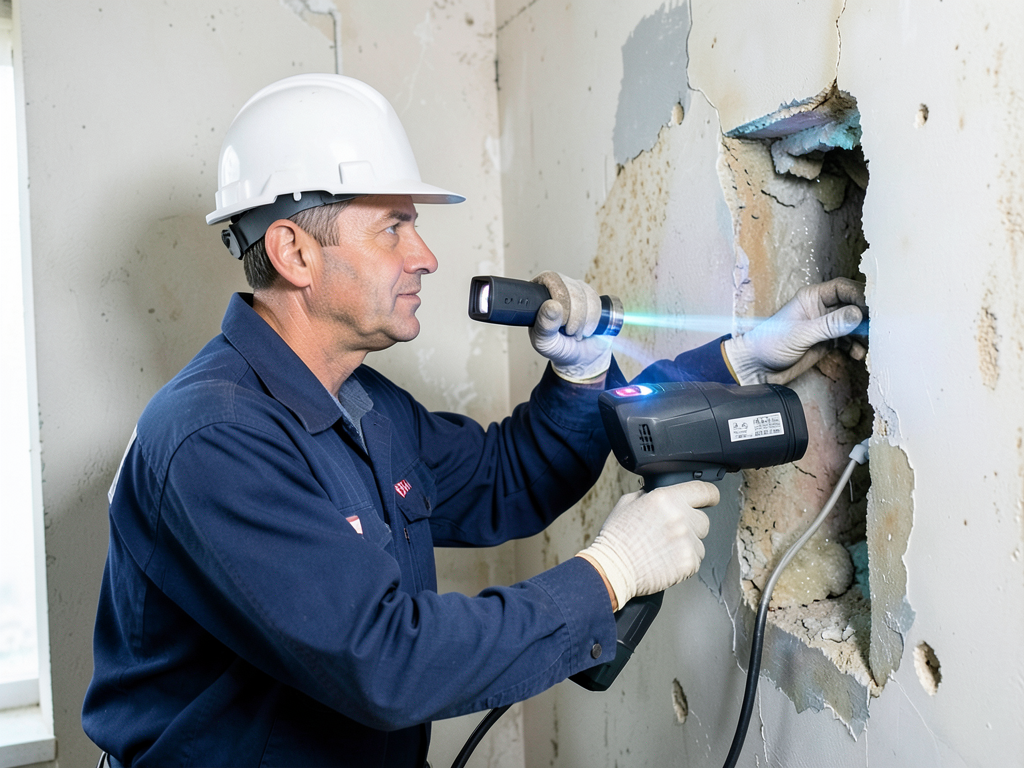
Professional water restoration requires specialized equipment. You should hear terms like LGR dehumidifiers low grain refrigerant units that can remove moisture even in cooler temperatures. Air movers should be placed at specific intervals based on the square footage of affected area. Moisture meters and thermal imaging cameras help detect hidden water behind walls.. Read more about How professional pack-out services protect your belongings during a major house restoration.
Ask them to explain their drying plan. A legitimate company will create a specific layout showing where each piece of equipment will be placed. They should explain how they determine the number of air movers needed typically one per 10 to 16 linear feet of wall space and how they monitor progress daily with moisture readings.
The drying process usually takes 3 to 5 days depending on the extent of damage and the materials involved. Ask how they determine when drying is complete. They should use moisture meters to test materials against their dry standard not just run equipment for a set number of days.
Question 5: Can you provide local references from Columbus homeowners
Every company can provide references but you want references from homeowners in your area who had similar damage. A company that works on commercial properties may not be the best choice for your historic home in German Village with its plaster walls and original hardwood floors.
Ask for references from the past 6 months specifically. Water damage restoration techniques and equipment change over time and you want to know they’re using current methods. Call these references and ask about their experience with communication cleanup and whether the final bill matched the initial estimate. Frozen pipe cleanup and repair in Gahanna before the damage spreads.
Check their Google reviews and Better Business Bureau rating but go deeper. Look for reviews that mention specific neighborhoods or types of damage similar to yours. A company with 50 five-star reviews but no mentions of basement flooding might not be the best choice for your sump pump failure.
Question 6: What licenses and insurance do you carry
In Ohio water restoration companies don’t need a specific state license but they do need general liability insurance and workers compensation coverage. Ask to see their insurance certificates and verify they’re current. This protects you if a technician gets injured in your home or if they accidentally damage something during the restoration process.
Ask about their compliance with Franklin County building codes. While most water damage repairs don’t require permits major structural repairs or electrical work might. A legitimate company will know when permits are needed and how to obtain them.
Check if they’re familiar with Ohio EPA guidelines for water damage especially if your home was built before 1978. Lead paint regulations may apply if they’re removing walls or ceilings in older homes. A company that follows these guidelines will keep your family safe during the restoration process.
Question 7: What is your warranty and what does it cover
A professional water restoration company should offer a warranty on their work. This typically covers secondary damage like mold growth that occurs due to their drying process. Ask specifically what’s covered how long the warranty lasts and what you need to do to maintain it.
The warranty should be in writing and clearly state what’s covered and what’s not. Be wary of companies that offer lifetime warranties without explaining the limitations. Most legitimate warranties cover 1 to 2 years and require you to maintain proper humidity levels in your home.
Ask about their policy if mold appears after they’ve completed the work. A reputable company will return to address any issues that arise from their initial drying process at no additional cost to you.
Question 8: How do you handle asbestos and lead paint in older Columbus homes
Many homes in Columbus neighborhoods like Clintonville and Old North were built before 1978 when lead paint was banned. If your home is older ask about their procedures for testing and handling hazardous materials. They should be familiar with EPA lead renovation repair and painting rules.. Read more about Handling a sudden pipe burst in your Columbus short-term rental property.
For commercial properties built before the 1980s asbestos may be present in insulation or floor tiles. A qualified company will know how to test for asbestos and when they need to bring in a certified abatement contractor. They should explain this process to you before any work begins.
Ask about their containment procedures. Proper containment prevents hazardous materials from spreading to unaffected areas of your home. They should use HEPA filtration and negative air pressure to keep contaminants contained during the restoration process.
Question 9: What is your cleanup process and will my home be livable during restoration
Water damage restoration can be disruptive but it shouldn’t make your home unlivable unless absolutely necessary. Ask about their containment procedures and whether you’ll need to relocate during the work. For most residential jobs you should be able to stay in your home with some adjustments.
Ask about noise levels and operating hours. Dehumidifiers and air movers can be loud running 24/7 for several days. A professional company will explain this upfront and work with you to minimize disruption especially if you work from home or have young children.
The cleanup process should include daily cleaning of work areas and proper disposal of damaged materials. Ask how they handle debris removal and whether they’ll leave your home broom clean at the end of each day. Some companies use subcontractors for cleanup which can lead to inconsistent results.
Question 10: How do you determine what can be saved versus what needs to be removed
This is where many homeowners get taken advantage of. Some companies want to tear out everything and rebuild because it’s more profitable for them. Others try to save everything to minimize their work. The right answer is somewhere in between.
A qualified company will use moisture meters and thermal imaging to determine exactly what’s been affected. They should explain their decision-making process for each material. Hardwood floors might be salvageable with proper drying. Drywall above the water line might be saved. But wet insulation in exterior walls usually needs to be removed.
Ask about their experience with your specific type of construction. A company that primarily works on modern homes might not know how to properly dry a historic home with plaster walls and wood lath. The drying process for these materials is different and requires specialized knowledge.
Understanding the Water Damage Restoration Process in Columbus
Once you’ve asked these questions and chosen a company understanding what happens next can reduce your stress. The restoration process follows a specific sequence that’s been refined over decades of experience.
The first step is always inspection and assessment. Technicians use moisture meters thermal cameras and sometimes borescopes to see inside wall cavities. They create a detailed map of the affected areas and develop a drying plan. This is when they’ll explain their findings and get your approval before starting work.
Water extraction comes next. This isn’t just mopping up. Professional extraction uses powerful truck-mounted or portable extraction units that can remove hundreds of gallons per hour. The goal is to remove as much liquid water as possible before starting the drying process.
Drying and dehumidification is where the real work happens. Industrial dehumidifiers pull moisture from the air while air movers circulate dry air across wet surfaces. This process can take several days and requires daily monitoring. Technicians adjust equipment placement based on moisture readings to ensure even drying.
Cleaning and sanitizing comes after drying is complete. This includes antimicrobial treatments to prevent mold growth and cleaning of salvageable items. The final step is restoration which might include minor repairs like replacing drywall or major reconstruction depending on the extent of damage.
Red Flags to Watch For
While asking the right questions is important knowing what to avoid is equally important. Several red flags should make you pause before signing any paperwork.
Be extremely cautious of companies that show up uninvited after a storm or flood. These storm chasers often lack local ties and may disappear once the check clears. They typically use high-pressure sales tactics and may not follow proper procedures. Fixing storm and flood damage in Hilliard after heavy rains.
Watch out for companies that want to start work immediately without assessing the damage or creating a plan. Professional restoration requires careful evaluation before any demolition begins. A company that wants to start tearing out walls right away may be more interested in your insurance check than proper restoration.
Be wary of vague pricing or companies that refuse to provide written estimates. Water damage restoration pricing should be based on industry standard pricing guides like Xactimate. A legitimate company will explain their pricing structure and provide detailed estimates before starting work.
Avoid companies that discourage you from contacting your insurance company or ask you to sign over your entire insurance settlement. You have the right to choose your own contractor and your insurance company cannot require you to use a specific company.
Making Your Final Decision
After asking these questions and considering the red flags you should have a clear picture of which company is right for your situation. The best choice isn’t always the cheapest or the fastest to respond. It’s the company that demonstrates expertise communicates clearly and makes you feel confident in their abilities.
Trust your instincts. If something feels off during the initial conversation it probably is. A professional restoration company should make you feel like they’re there to help not just to make a quick profit. They should be patient with your questions willing to explain their processes and transparent about their pricing.
Remember that water damage restoration is both an art and a science. The best companies combine technical knowledge with practical experience. They understand that they’re not just drying your home they’re helping you get your life back to normal as quickly and safely as possible.
Don’t let the stress of water damage push you into making a hasty decision. Take the time to ask these questions verify credentials and choose a company that you trust. The right restoration company can mean the difference between a smooth recovery and months of headaches and unexpected expenses.
Water damage doesn’t wait and neither should you. But informed decisions lead to better outcomes. By asking these ten questions you’re taking control of a difficult situation and protecting your home your family and your finances.
If you’re dealing with water damage right now and need immediate help call (614) 707-7505. Our certified technicians are ready to answer these questions for you and start the restoration process immediately. We serve all of Columbus including Bexley Upper Arlington and German Village with 24/7 emergency response.
Frequently Asked Questions
How long does the water damage restoration process typically take
The initial water extraction and setup usually takes 1 to 2 days. The drying process itself typically requires 3 to 5 days with equipment running 24/7. Complete restoration including repairs can take anywhere from a few days to several weeks depending on the extent of damage.
Will my homeowners insurance cover water damage restoration
Most homeowners insurance policies cover sudden and accidental water damage from sources like burst pipes or appliance failures. However they typically don’t cover gradual damage or flooding from external sources which requires separate flood insurance. We can help you understand your specific coverage.
Can I stay in my home during the restoration process
In most cases yes. The equipment can be noisy but it’s generally safe to remain in your home. We’ll contain the work area and explain any areas you should avoid. For extensive damage or if you have health concerns we can help arrange temporary housing.
How do I know when everything is completely dry
We use moisture meters to test materials against their dry standard which is the moisture content of unaffected materials in your home. We don’t consider the job complete until all affected materials are within 4 percentage points of their dry standard. This prevents mold growth and ensures proper restoration.
What should I do immediately after discovering water damage
First stop the water source if possible. Then call a professional restoration company immediately. While waiting remove valuable items from the affected area if it’s safe to do so. Avoid walking through standing water especially if electrical outlets are nearby. Document the damage with photos for insurance purposes.
You may also find this helpful. Why you shouldn’t ignore wet air ducts after a flood in your Westgate home.
You may also find this helpful. Why your house still smells like a wet dog weeks after a flood in North Linden.
{
“@context”: “https://schema.org”,
“@type”: “BlogPosting”,
“headline”: “Questions you should ask a Columbus water restoration company before you sign any paperwork”,
“description”: “Don’t sign before asking these critical questions. Learn what to look for in Columbus water restoration companies to protect your home and wallet.”,
“wordCount”: 2840,
“datePublished”: “2026-04-28T11:18:00.000Z”,
“dateModified”: “2026-04-28T11:18:00.000Z”,
“inLanguage”: “en-US”,
“mainEntityOfPage”: {
“@type”: “WebPage”,
“@id”: “https://fivestarwaterdamagerestorationcolumbus.com”
},
“publisher”: {
“@type”: “LocalBusiness”,
“name”: “Five Star Water Damage Restoration Columbus”,
“url”: “https://fivestarwaterdamagerestorationcolumbus.com”
},
“author”: {
“@type”: “Organization”,
“name”: “Five Star Water Damage Restoration Columbus”,
“url”: “https://fivestarwaterdamagerestorationcolumbus.com”
},
“image”: {
“@type”: “ImageObject”,
“url”: “https://fivestarwaterdamagerestorationcolumbus.com/wp-content/uploads/2026/03/questions-you-should-ask-a-columbus-water-restorat-1.png”
}
}
{
“@context”: “https://schema.org”,
“@type”: “LocalBusiness”,
“name”: “Five Star Water Damage Restoration Columbus”,
“url”: “https://fivestarwaterdamagerestorationcolumbus.com”,
“address”: {
“@type”: “PostalAddress”,
“addressLocality”: “Columbus”
},
“areaServed”: {
“@type”: “City”,
“name”: “Columbus”
}
}
{
“@context”: “https://schema.org”,
“@type”: “BreadcrumbList”,
“itemListElement”: [
{
“@type”: “ListItem”,
“position”: 1,
“name”: “Home”,
“item”: “https://fivestarwaterdamagerestorationcolumbus.com”
},
{
“@type”: “ListItem”,
“position”: 2,
“name”: “Blog”,
“item”: “https://fivestarwaterdamagerestorationcolumbus.com/blog”
},
{
“@type”: “ListItem”,
“position”: 3,
“name”: “Questions you should ask a Columbus water restoration company before you sign any paperwork”
}
]
}
{
“@context”: “https://schema.org”,
“@type”: “Service”,
“serviceType”: “Water Damage Restoration”,
“provider”: {
“@type”: “LocalBusiness”,
“name”: “Five Star Water Damage Restoration Columbus”,
“url”: “https://fivestarwaterdamagerestorationcolumbus.com”
},
“areaServed”: {
“@type”: “City”,
“name”: “Columbus”
},
“description”: “Don’t sign before asking these critical questions. Learn what to look for in Columbus water restoration companies to protect your home and wallet.”
}